Solidarity Walk in Support of Sister Parish – St. Joan of Arc

photo 1Reposted from St. Joan of Arc website – original article.

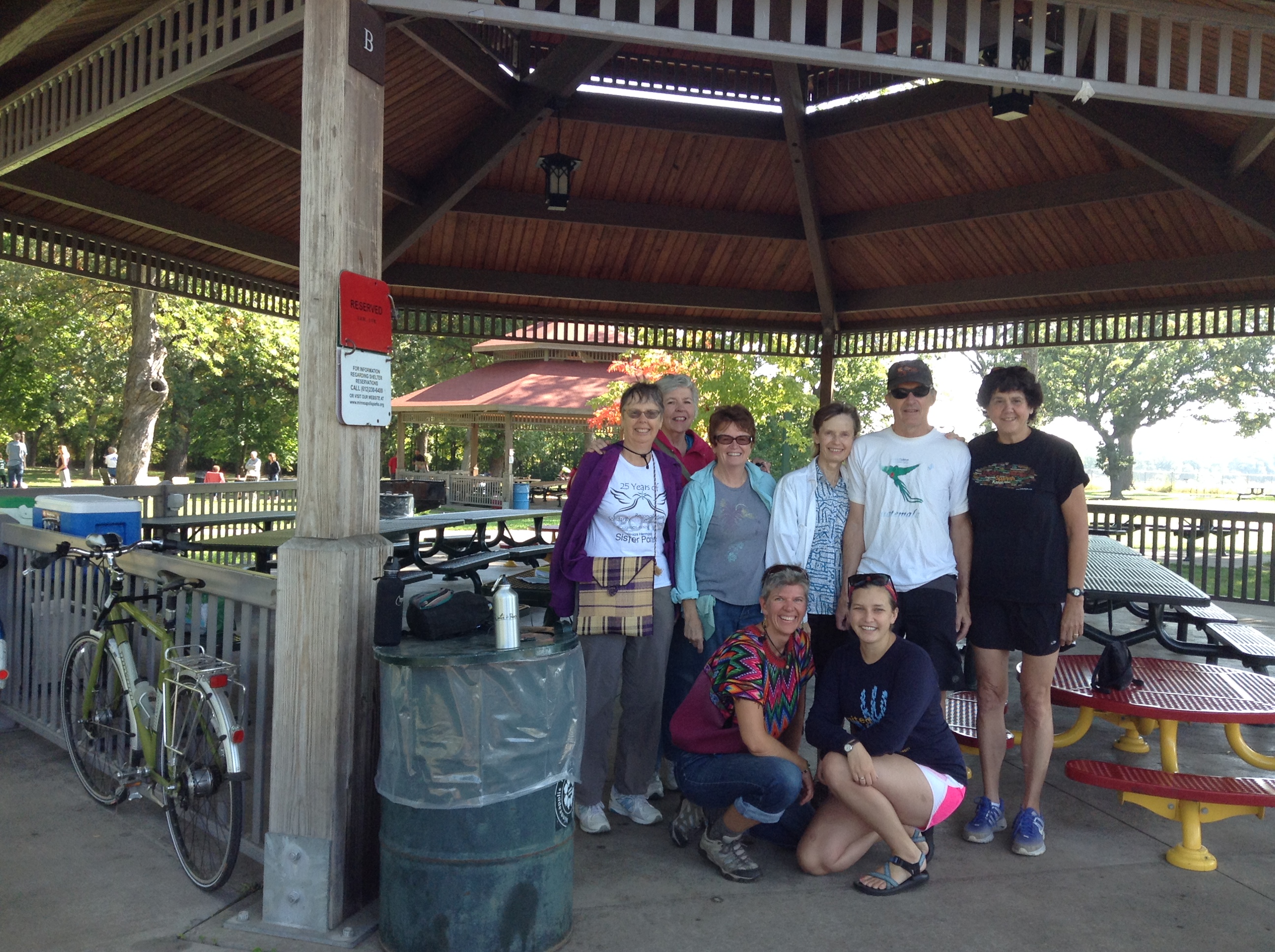
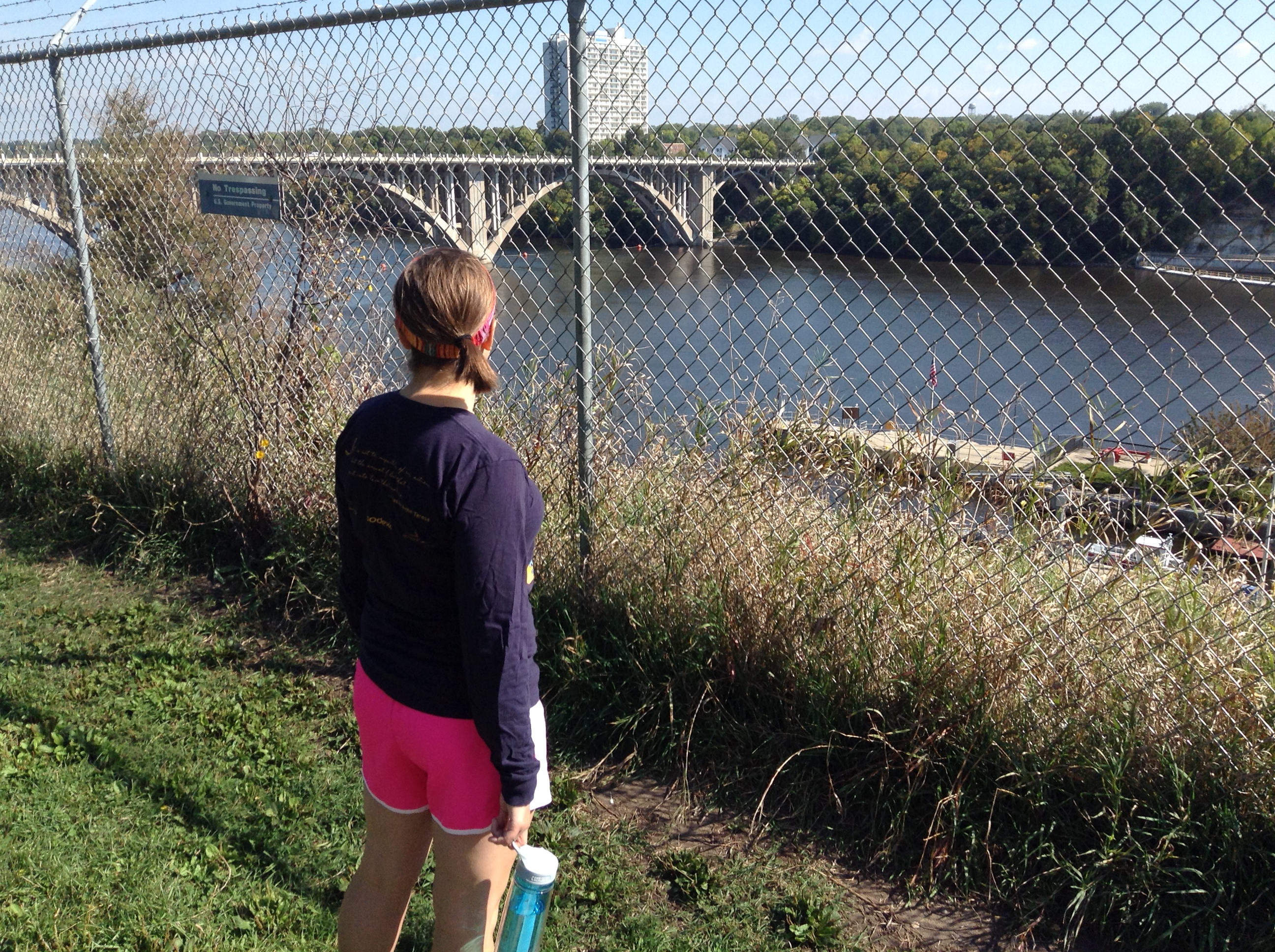
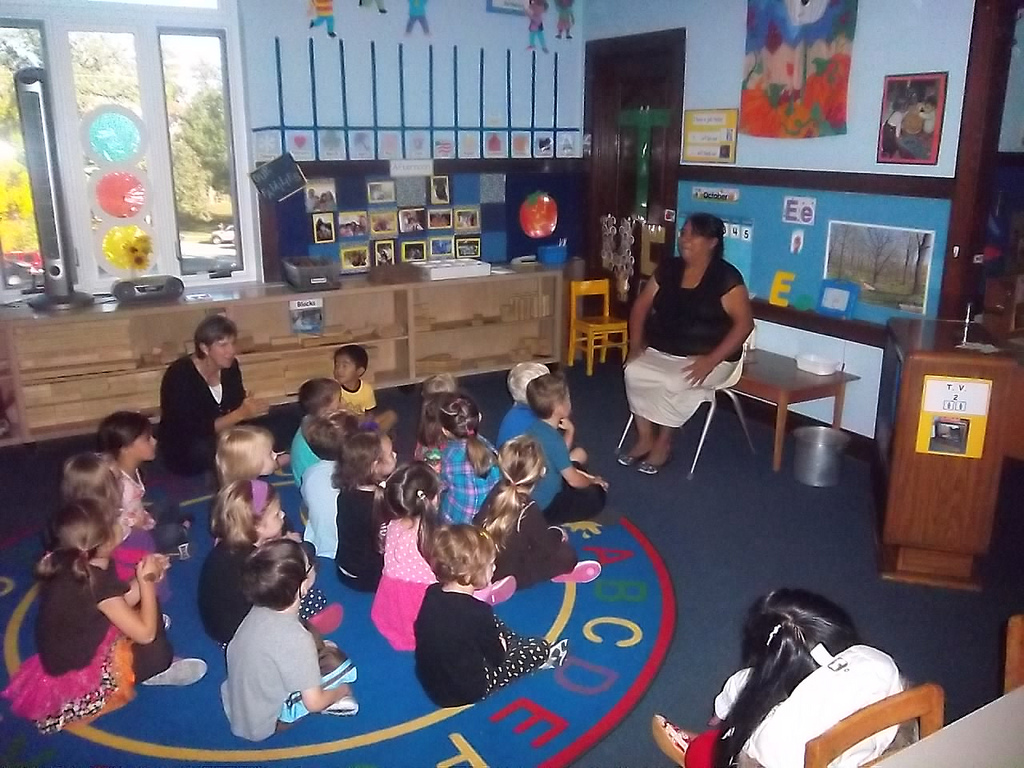
On September 20, members of the St. Joan of Arc Sister Parish group took part in a Solidarity Walk and potluck picnic in Minnehaha Park. On the same day, members of our sister parish in Tierra Nueva II, Guatemala were walking in solidarity as well. This annual event, organized around the theme, “Walking a Common Path”, was one of several regional walks that took place in the U.S. and Central America. In addition to raising funds to support Sister Parish, Inc., it is a time to come together for friendship, community and prayer.

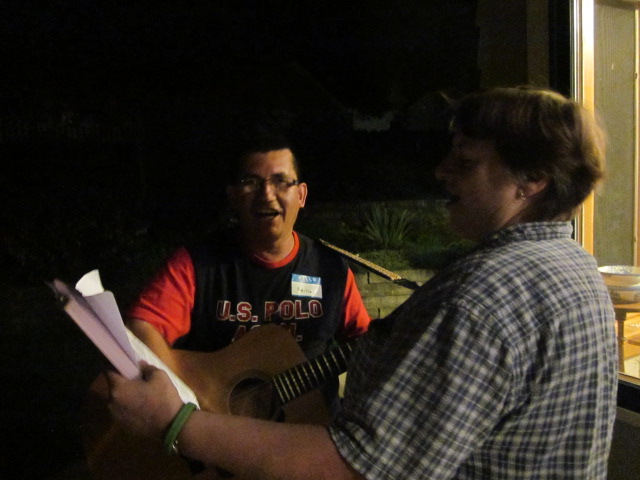
photo 4During the walk, participants stopped periodically for readings, songs and reflections of solidarity and love. They celebrated St. Joan of Arc’s twenty-year relationship with our sister parish in Guatemala, reflected on the people who have helped build this loving relationship, and spoke of their hopes for the future.

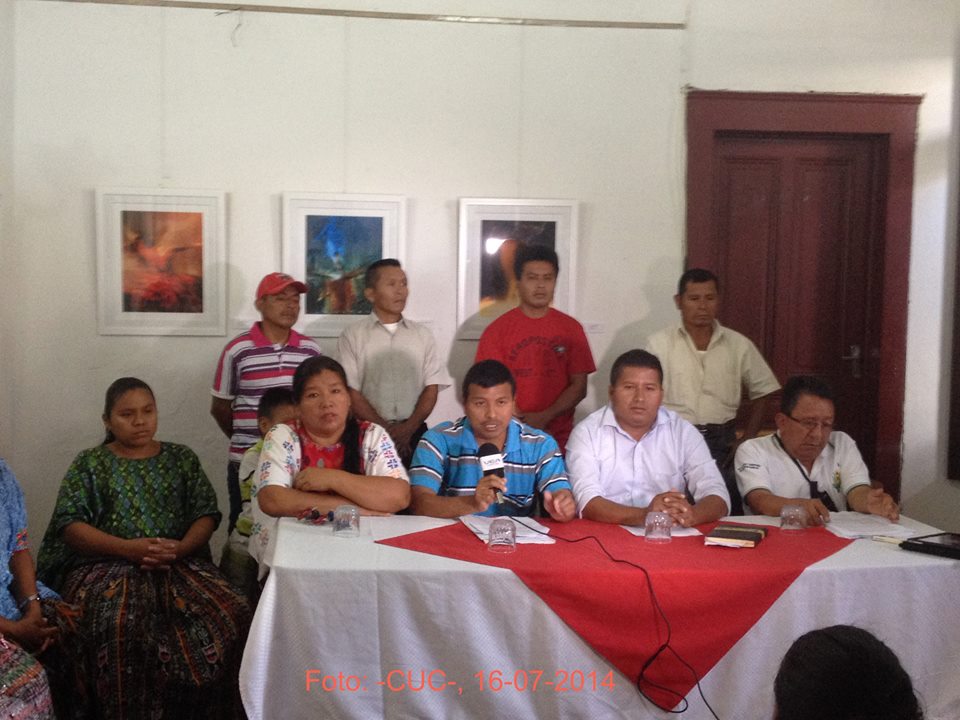
Here is a message from our Sister Parish family in Guatemala: “Greetings to our brothers and sisters from SJA.  We are on the Solidarity Walk and we know you are too.  We unite with you in asking for peace…SJA, you are in our hearts and in our prayers. We are happy to share this walk and thank you for sharing it with us. Hugs for everyone!”

photo 2
A big thank-you to all who participated in this event as well as those who sponsored walkers to raise funds for Sister Parish, Inc.  Your support is so appreciated!

Posted in General, Solidarity Walks, United States | Tagged , , | Leave a comment

Building ties of solidarity through friendship

En español

From August 29-S20140829_155854eptember 9, six representatives from Potrerillos, Chalatenango, El Salvador visited their sister church in Decorah, Iowa.  The following delegation reflection was written by Rev. John Caldwell of First United Methodist Church.

Five years ago when I was first appointed as the pastor of First United Methodist Church one of the things that I was curious about was Sister Parish. I wanted to know more about this program in which at no little expense people were sent back and forth to El Salvador and nothing was built, painted or repaired. I had never heard of a mission program that seemed to accomplish so little. And yet I could see that the commitment to it here was both deep and broadly shared.

IMG_0539Well, I learned! I have participated in two North to South delegations. I have seen and experienced what it is to have a relationship with people far away, people whose lives are quite different from ours, and who (as a community) live at a far different economic level than we do (again, as a community). Sister Parish is unique in my experience as a “mission” organization whose purpose is to build ties of solidarity through friendship.

It is important to us in so many ways, mostly because it makes real for us what would otherwise remain only abstract. When, for example, thousands of children come from El Salvador to the United States, we know that there is another side to this story, one that touches people we know personally, and so it touches us as well. When our nation adopts trade policies that are supposed to make our lives easier or better, we can’t help but ask, “How does this affect our friends from Potrerillos?”

IMG_0527These exchanges expand our connection to a world much wider than the one we normally live in. This is true for our Salvadoran friends, too. They are able to experience our open hearts and hospitality. They are able to see that our comparative wealth does not mean that our lives are without struggle. They witness us trying to make sure that the hungry of our own community have enough to eat, that those who still fall through the cracks of our medical (non-)system get the care they need, and that our land is protected from companies that see it only terms of the wealth that they can extract. These are struggles that both communities share.

During their visit I heard from them often that they are glad to be able to see past the difficulties forced on them by American policies to our hearts and they are able to call us not only friends, but family.

I confess that I have to aspire to live up to their esteem for us.

Thank you to all who helped make it possible: the hosts who opened their homes and lives, the people who planned each of the activities, those who acted as drivers, and those who attended the activities and made our guests feel welcomed. Thank you to all who have made direct financial contributions to make it possible, to those who have organized and run Sister Parish fund raisers, and not least of all, to those of you who have battled mosquitoes and heat to support the Música Dulce concerts over the years. Thank you.

We will certainly remember last month’s visit from our friends from El Salvador as one of the highlights of this year in the life of First United Methodist Church.

Posted in Delegations, General, South to North, United States | Tagged , , | 1 Comment

Q’eqchi’ Communities Release Statement on Defense of Land Rights

Conferencia de prensa - Chichipate - julio 2014Q’eqchi’ Communities: June 30 Se’Chaj, Maya Q’eqchi’ Farmers’ Association, Se’Tal, Agua Caliente Lote 9, Community of April 13, Lote 8, Las Nubes, La Ceiba, El Zapatillo, and all communities of El Estor, Izabal.

To the national and international public, we present the following facts.  We denounce that the Maya Q’eqchi’ people in El Estor have been fighting without rest, from 1960 until today, to defend our right to land and a place to live with dignity, work, and feed our family, as well as a place to strengthen our culture and identity.

On Thursday, July 10, 2014, the National Civil Police (PNC), security guards of the Guatemalan Nickel Company (CGN), and other group leaders contracted by this company, took actions against the community of June 30th Se’Chaj, committing a series of illegal acts.

  1. Judge Sandra Janeth Méndez Nájera authorized the eviction but the communities were never notified.
  2. Without presenting the eviction notice, the police began shooting tear gas at women and children in the community of June 30 Se’Chaj.
  3. Three youth were wounded and numerous houses were burned as a result of this violent action. The youth cannot be named due to fear of reprisal.
  4. 15 students who were in a school building 100 meters away from the eviction were affected by the tear gas.

For these reasons, we publicly denounce Judge Sandra Yaneth Méndez, who has always supported the CGN. This is the third time that she has taken actions against Q’eqchi’ communities, causing us to believe she is biased in favor of the Guatemalan Nickel Company. During the first eviction attempt in Lote 8, Lote 9, and Setal, she accompanied the private security guards from the company, and she has also protected hired assassins contracted by the company (who have been identified by the communities). This group tried to massacre families in the community of Setal on June 30, 2012.

We hold the government of Otto Perez Molina, as well as the governor of Izabal and the Guatemalan Nickel Company (CGN), responsible for the violent eviction carried out on July 10, 2014. The CGN intends to take our land away from us at whatever cost, often acting with the support of government institutions. On May 30, 2014 President Perez Molina authorized and participated in the inauguration of a new phase of mining exploitation by this company. This has been imposed against the will of affected communities. Prior consultation, as outlined in Convention 169 of the International Labour Organization, was never carried out.

In light of these facts, as Q’eqchi’ communities –

  • We ask the Attorney General to cease the evictions and to stop defending the interests of the Guatemalan Nickel Company – a company that is violating the rights of thousands of Q’eqchi’ families.
  • We ask that agrarian institutions respond as a matter of urgency to the demands that the Q’eqchi’ communities in the municipality of El Estor, Izabal have made for the legalization of their land.
  • We ask the Public Prosecutor’s Office (MP) to investigate the CGN’s parallel security structures that participated in the violent eviction on July 10, 2014 and the armed attack against families from the community of Setal on June 30, 2012.
  • We ask judges to respect the processes for dialogue and negotiation that the Q’eqchi’ communities have started with this country’s agrarian institutions in order to legalize and get titles for their land. We ask judges to stop emitting eviction orders whenever they feel like it and to stop only paying attention to the information that CGN and other businessmen give them. We also ask for impartial sentencing.
  • We ask the Public Prosecutor’s Office (MP), the Human Rights Ombudsman’s Office (PDH), the International Commission against Impunity in Guatemala (CICIG), and the United Nations High Commissioner for Human Rights to investigate the actions of Judge Sandra Yaneth Méndez. We do not believe this judicial action (the violent eviction on July 10) was carried out according to law.
  • We ask the Human Rights Ombudsman’s Office (PDH) to provide a truthful and objective report of the violent eviction carried out on July 10, 2014 in the community of June 30 Se’Chaj and to form a permanent commission to verify the ongoing violation of our rights by CGN.
  • We call on the population of El Estor to organize against the injustices that we live with. We should not allow CGN to continue abusing our rights. For our lives and the lives of our children, we should defend what little land and territory we have left.

We believe that the solution to this problem generated by CGN is for the Guatemalan government to exercise its sovereignty and rescue its dignity by canceling the exploitation licenses granted to this company.

Mother Earth cannot be bought or sold;
she should be recovered and defended!

El Estor, Izabal, July 15, 2014

Posted in General, Guatemala | Tagged | Leave a comment

Over 40 Organizations Call on Congress to Address Humanitarian Crisis at the Border

In July, Sister Parish joined over 40 other organizations in calling on the US government to adopt a humanitarian response to the border situation and to address the root causes of migration to the US.  Read the letter coordinated by WOLA and the press release below.

You can also take action and follow organizations like WOLA and LAWG for up to date information and relevant actions.

———————————————–

WOLA Press Release

July 23, 2014

Groups Urge Emergency Aid and Attention to the Underlying Causes of Violence

Washington, D.C.— Today, leading human rights, development, and faith-based organizations released an open letter to Members of Congress calling on legislators to address the humanitarian crisis of tens of thousands of children from Central America who have been apprehended and detained at the U.S. border.  The letter appeared in full page ad in the Wednesday edition of The Hill.

The groups are calling on Congress to address the immediate emergency needs of the children and families at the border while providing resources to address the underlying conditions that are driving them to flee Central America.

“These children are turning themselves in and seeking our protection from horrendous violence in their communities,” said WOLA’s Executive Director, Joy Olson.  “More border security will not help.  We need to face the root causes of violence at the community level.”  

Many of the signatory organizations have long experience working on Central America policy in the United States and on the ground in the region. They have witnessed the origins of the crisis and have specific, practical recommendations for “investments in violence prevention, criminal justice reform, and development programs that will help stabilize communities and expand opportunities for the young people of Central America.”

“We have a moral and legal obligations to ensure these children and families are treated humanely and provided all due protections under current law,” say the signatories. “This is a complex crisis and human tragedy that demands a response to both immediate needs and longstanding causes.”

Please click here for the full text of the letter.

Please click here for additional information and analysis from WOLA.

###

Posted in General, United States | Tagged | Leave a comment

Home away from home – Faith Lutheran/Journey in Faith delegation

IMG_4746

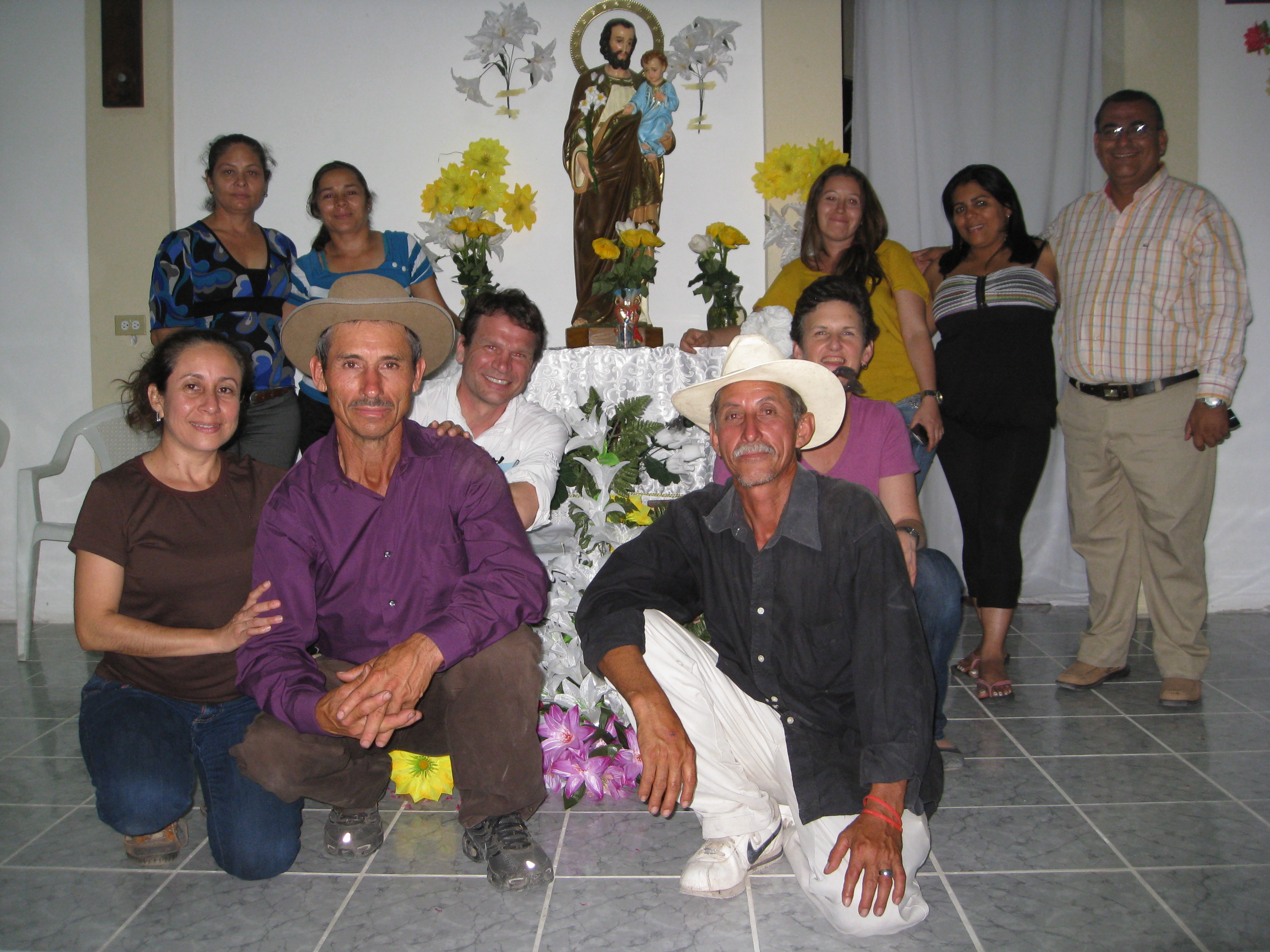
From June 13-23, 2014, eight delegates from Faith Lutheran/Journey in Faith in North Dakota visited their sister community in Tierra Nueva I.   Delegates reflected on their visit and chose words that best captured how they felt during the delegation experience.


Nikki
This trip has impacted my life in so many ways.  I have yet to find the right words to describe how…  I was blessed with an entire new family over 2,000 miles away that will forever be my family.  I was blessed with unforgettable memories like being able to attempt conversations with my new friends and not using a translator or by playing games and dancing together.  This trip has also motivated me a lot to do great things in the world.  We heard stories from people…such tragic things happened, but these ladies were so grateful for life… It shows me that even if I have had difficult times in my life I can still do great things for this world even if I still feel pain… When I get home I will begin the next process and share my story with everyone possible.  I will also do mission work in the States and make the world better one step at a time.  Because that’s what I’ve always wanted to do but this trip proved that that’s who I am and that’s what I need to do with the rest of my life.

—————————————————

Hannah
The beginning of this trip was extremely relieving.  All of my fears that I had before I arrived had vanished.  After spending many days with the delegates and members of TN1, I felt as if we were one.  I didn’t know that coming to Guatemala would be as blessing as I found it to be.  I gained a new family and I couldn’t be happier.  Now that it has come to the end of our trip I’m conflicted.  I’m very sad to leave my new relationships but very happy that I know I have something to come back to.  I love the friendships that I have made and I plan on keeping them forever.  I feel very motivated to go back home and share with my loved ones the love I have learned from my new family here.

—————————————————

IMG_4756Jan
Refreshed – When I go to Guatemala, I feel refreshed.   It feels like home.  I am so welcomed and greeted with genuine hospitality and warmth.  I learn that I am capable of welcoming and greeting with genuine hospitality too; however, I find it sometimes easy to not follow through.  It is good for me to reconnect with TN1 so that I am reminded of just how I am to treat my fellow humans.  I also learn to reevaluate my priorities.  I gain insight on discerning what I need and what I want.

Overwhelmed – This trip I was overwhelmed with acceptance.  The first thing my host family said to me was congratulating me on my marriage.   They said that I looked happier than on previous trips to Guatemala.  I was given an embroidered pillow case that said ‘amor eterna’.  The relationship with various members of the community seemed to go deeper this time.

—————————————————

Deborah
Engaged – I fully engaged in the activities allowing myself to be vulnerable to the experience. I allowed myself to feel the emotions that were provoked by the stories that were presented.

  1. The history of TN1 and how people needed a place to go after the earthquake of 1976.
  2. The peaceful protest by dedicated people to block the mining project that threatens their water supply.
  3. Visiting and hearing the history of UMPIVM and the great resource/service it provides.
  4. Seeing and staying at Ruth & Niomi’s Cooperative and hearing the history and how it continues serving women and their children.
  5. Touring the workshop and eating lunch at Chonita’s Beadwork Creations cooperative and hearing about the history and numerous women involved today.
  6. Visiting the Martyrs Museum and hearing from two men whose fathers disappeared in the early 1980’s…

I actively participated in activities and conversations. I danced, cooked, listened and stated my thoughts at meetings, visited homes of people I knew and those I had yet to meet, shared in meals, and developed a close relationship with my host family and others from TN1.

Inspired – I learned of numerous people experiencing hardships and obstacles and how they have turned their situations into something positive for others.

Enlightened – I came to the realization that I am capable of doing more with my time, energy and resources.   I, too, can lead an effort that can benefit many and possibly grow it into something beyond my abilities.

—————————————————

IMG_4780Peggy
I have felt so blessed and loved since I have been here.  Everyone has been so caring… I got a backrub a couple of times, I had my feet rubbed once and just gestures of kindness.  Even though I couldn’t communicate very well, I knew they loved me. I was amazed by the beauty of the country and seeing how hard the people work…they are such strong people in their working life and in their faith. It was very impressive attending the Corpus Christi event.  So many people!

—————————————————

Gary
Blessed.

 Overflowing – with information, also with the courage and faith of a people that have been oppressed.

Renewed – The people of TN1 give me new hope and help me to strengthen my faith.

—————————————————

Vicki
Awestruck – I stood on holy ground as I felt the embraces of our sisters and brothers of TN1 at the airport in Guatemala.  It had been a long and wearying day of travel.    Smiles, warm abrazos, and the joyful and welcoming spirit of those who came late that night to greet us, set the stage for our 10-day journey together.  As our time together unfolded, my use of the word “awestruck” was part of my daily language as their genuine sense of hospitality and faith, unshattered by years of violence, remained steadfast and true to the Gospel model Jesus proclaimed.

Humbled – It is difficult for North American/US culturally engrained persons to suspend the idea that our nation is “Number One”  in order to fully enter a culture deemed by the wealthy to be powerless…  I was called repeatedly to let go of my own cultural norms to receive the gifts of the materially poor in order to find the gifts of the spiritually rich.  I often felt humbled and tearful as my family members in TN1 strengthened me with their basic dependence on God’s Spirit of Life to sustain and encourage them in their daily lives.  They reminded me to give thanks constantly for all good, and lean heavily on God’s guidance in all things; and then to seek ways to serve others with joy.

Fed – Meals were offered around tables with fullness and grace.   But even greater was the spiritual food shared among us. Far-reaching will be the sustenance for living my days in the manner in which my sisters and brothers offered their very lives.  I arrived in Guatemala a bit underfed spiritually, longing for clarity and direction in my life.  This prepared room in my heart and soul to receive the solid food of faith from my sisters and brothers and traveling companions. All this together uplifted me and I returned home with new eyes to see and experience in clearer ways my own culture and values.  I continue to pray that the needs around me do not become invisible.

Sharing the eucharist with my family at Iglesia San Marco Evangelista fed my soul with the true Bread of Life, helping me see beyond my own shortcomings to the fulness of God’s grace, and strengthened my desire to live fully with Christ at the center of my being. In my eating both physical and spiritual food, together with the Body of Christ, I echo the words of the Psalmist: “Taste and see that the Lord is Good!”  Psalm 34:8.

—————————————————

IMG_4732

Caitlin
In the beginning, I wasn’t sure what I got myself into.  I was traveling with people I barely knew to a different country.  But I met some amazing people that I will never forget… Going to Guatemala impacted my life in many ways and I can’t wait to return.  Even though our time was lmited I left with a second home.  It only took me those few days to realize how incredible Guatemala really is.  ¡Hasta luego!
Posted in Delegations, General, Guatemala, North to South | Tagged , , , , , | 1 Comment

Incarnation-Chontala South to North Delegation in 2013

After their February 11-18, 2013 South to North delegation, Incarnation wrote a reflection. This short reflection tries to paint a picture that is “worth a thousand words.” This is the reality we face as family and friends who are separated by space and time – our photos and memories help us to share our experience with others.

After some tearful farewells, Maria Louisa, Rafaela, Tomas, and Tomas flew back to Guatemala on Monday, February 18. During their week in Minnesota they participated fully in the life of the Incarnation faith community by worshiping here on Ash Wednesday and Sunday morning. At 10:45 worship, they gratefully received the 800 mugs that were donated by the SPARK programs and the Incarnation Pre-school. These cups will be donated to the primary school in Chontala so that the children can receive their morning snack of milk.

Throughout the week, the visitors also visited Como Park, St. Paul’s West Side, Scandia Shores, where they met with some Incarnation residents, and a supermarket, where they experienced American grocery shopping.

They got a tasteincarnation_chontala_2 of what it’s like to live in Minnesota in February as they went ice fishing on Lake Minnetonka. They even got the chance to play broom ball and Tomasito laced up skates to see how it felt to glide over the ice.

Tomas, Tomas, Rafaela, and Maria Louisa also saw our school spirit as they visited Mounds View High School and even took in a Mustangs basketball game! The 80 students that attend SPARK kids club learned to make tortillas from the “pros” and the Incarnation pre-school welcomed our visitors, who were truly interested in what the students were doing.

Our visitors were able to contribute to other ministry partners of Incarnation, as they packed food at Feed My Starving Children and visited the Wellness Center at First Lutheran Church in St. Paul.

They were so grateful to the many people at Incarnation who invited them into their homes or drove them to their activities.

incarnation_chontalaThrough visits like these, our horizons are expanded. They experience our way of life, just as we do when we travel to Guatemala. Once again, the Action Group thanks all those who attended the summer fundraising dinners, contributed to Buck a Mile and so warmly welcomed our visitors – we could not have done it without you. Once again, you have demonstrated that it truly takes a village!

Posted in Delegations, General, South to North, United States | Tagged , , , | Leave a comment

Dios siempre está en nuestro corazón, y ellos son parte de Dios

DinaIn English

Dina Velásquez, miembro de UPAVIM, comparte sus experiencias durante la delegación que visitó al hermanamiento de Downers Grove United Methodist Church en octubre de 2013.

¿Cuáles fueron las actividades más impactantes en Downers Grove?

Para mí, lo que me gustó fue ir al refugio de las mujeres. Las mujeres reciben buena atención.  Están con su voluntad allí, pueden tener a sus hijos, tienen oportunidad de trabajar, ir a capacitaciones según el maltrato que cada mujer tiene. El trabajo de este grupo es bien bonito.

Compartir en la iglesia también fue bonito. Nos dieron la oportunidad de hablar de UPAVIM y lo que hacemos.  Nos paramos en frente y hablamos con la gente en la iglesia. La gente estaba atenta y nos hacían preguntas después.

Food bank

Delegadas y miembros de DGUMC hacen voluntariado en un lugar dónde se reparte comida para la gente necesitada.

Participamos en muchas actividades importantes. Me impactó ir a ver un lugar donde hay hortalizas.  Allí siembran cultivos y la gente morena puede ir a comprar. Son personas marginadas. No tienen oportunidades para buenos trabajos.  No son tomados muy bien por la sociedad. Me contaron la historia de esta comunidad. Me inmpactó porque es igual en nuestro país.  Hay lugares donde la gente margina a los demás y me impactó mucho.

Otra actividad que me gustó fue ir a participar como voluntaria. Fuimos a empacar comida. Siempre ha sido un sueño mío trabajar en un lugar como voluntaria, sin pedir nada a cambio. Hacen muchos trabajo – buscar alimentos, buscar voluntarios, y ir a repartir a mujeres, niños, y hombres que viven en las calles.

¿Son importantes las delegaciones del Sur al Norte? ¿Por qué?

Son importantes. Es importante ir a participar en el norte. Podíamos sentir el amor de los hermanos y podíamos darnos cuenta cuál es el trabajo que hacen para poder apoyar a sus hermanos en Guatemala y en el Sur. Nos dimos cuenta que hacen actividades.  Hacen ventas para buscar fondos para que podamos tener esta oportunidad de viajar de un país a otro. No pierden el tiempo y tienen muchas actividades. Se acostaban tarde y se levantaron temprano para trabajar.  Trabajan mucho. Desconocemos esto a veces. Podemos ver la forma de vida de ellos y ellos cuando vienen aquí se adaptan a la forma de vivir aquí. Es increíble ver esto… Las delegaciones nos ayudan a fortalecernos, conocernos más, hablar más de Dios y estar más cerca a Dios. Nos ayudan a seguir fuertes en la lucha de estar hermandados. Es muy importante estos encuentros que hacen y el voluntariado.

¿Cuáles son sus esperanzas para su hermanamiento en el futuro cercano?

He hablado con la nueva presidenta de UPAVIM sobre mi deseo de fortalecer más el hermanameinto para no perderlo. Tenemos que motivar a las que están en el consejo. Hay mucha gente nueva en UPAVIM y desconocen todo esto. Queremos que vayan aprendiendo que es Iglesias Hermanas – les puedo ir a hablar y explicar. Queremos más comunicación con los hermanos. Estamos pensando hacer un programa de correo – podríamos poner una bolsa o algo en el mural de UPAVIM – una bolsa para correspondencia y cada mes la traemos a Iglesias Hermanas. Cuando alguien se va o viene alguien puede llevarla a los hermanos.

¿Otros comentarios que quisiera compartir?

Pre-school

Dina comparte una canción e historias con estudiantes en la escuela pre-escolar.

Todos fueron muy lindos con nosotros y disfrutamos cada uno de las actividades que hicimos – el zoológico, el jardín japonés – fue una visita tan preciosa. Estoy muy agradecida por la oportunidad que Dios me dio y que ellos la hicieron posible con su trabajo. Fue muy bonito.

Iglesias Hermanas nos ayuda en las oraciones, los lazos de amistad que tenemos, al conocer cómo vivimos en cada lugar…En EEUU es otra forma de vida pero aquí, la gente se adapta…En nuestro país hay discriminación. No tenemos esto con ellos – ellos asimilan. Es importante para nosotros y cada comunidad. También la solidaridad que tienen con nosotros…Nos ayuda seguir adelante.

El amor para los hermanos siempre está en nuestro corazón, igual que Dios.  Dios siempre está en nuestro corazón, y ellos son parte de Dios.


Posted in Delegaciones, Español, General, norte al sur, sur al norte, United States | Tagged , , , , , , , | 1 Comment

First-time Delegate Reflects on our Newest Linkage

En español

by David Ericson, US Regional Coordinator and first-time delegate in 2014

trinity-sjm-2014-2In the fall of 2013, the community of San José La Montaña (Chalatenango, El Salvador) and Trinity Episcopal Church (Newtown, CT) agreed to form Sister Parish’s newest hermanamiento (or linkage). At Trinity, we estimated that we could organize our first full delegation by Spring 2015, but after taking two years to get to the point of committing to a community, we did not want to wait another 18 months, so two of us asked to meet our new faith partners in person to jumpstart the relationship.

Our timing was auspicious. Whether by chance or by providence, we arrived in San José La Montaña during their patron saint festival, which was an added gift. And we arrived just after the FMLN had successfully retained the presidency, which enhanced the atmosphere of joyous celebration.

I had followed the wars in Central America throughout the 80s and worked in peace and justice movements at that time. But I had never been to El Salvador, so to finally stand on Salvadoran soil felt like a pilgrimage. We attended the people’s mass in the basement of the national cathedral and the hair on my arms stood up as, standing next to Archbishop Romero’s crypt, I heard liberation theology preached from the pulpit instead of merely reading it in a book. During the offering, in addition to presenting contributions to the altar, participants also presented to the congregation a copy of the hard-won Constitution, holding it out in all directions as an object worthy of adoration, a reminder of what so much suffering had won and what sort of communion was at stake.

Heading to San José La Montaña, we drove eastward through towns where Salvadoran clergy and the four US church women had been assassinated alongside the population. As we approached the mountains where there had been such a rain of warfare, then stood with a new friend on top of a ridge, looking east across the Rio Sumpúl into Honduras, I thought again that this land had been consecrated by what happened there. And it was. But not necessarily in the way I had thought.

trinity-sjm-2014El Salvador Regional Coordinator Julieta Borja had told us that San José La Montaña was a special place, not only because of the natural beauty of the area but also because of the spirit of the community. And she wasn’t kidding. We were welcomed with open arms and hearts. The committee in San José La Montaña displayed a level of hospitality that any US church would find difficult to match. Whether in scheduled appointments to see schools, clinics, political offices, and public celebrations, or in people’s churches and homes, everywhere we went we were greeted graciously and brought right into people’s daily lives.
And each stop brought more stories. Personal stories from the war, but mostly explanations of social welfare campaigns and community organizing strategies, joyous celebrations and constant joking. And with each story came a sense of gratitude to us for listening. I came to understand that listening was our main job on this pilgrimage. And I learned a lot, not so much about the suffering of war, although that is necessary context, as about resilience, organization, solidarity, and faith, and about the progress toward justice that those qualities have allowed the people of Chalatenango to make. That spirit has consecrated this land and people more than the suffering that was experienced there. Or perhaps it is better to say that, where violent repression attempted to desecrate the place and the people in order to break their resistance, their inspiring resilience has consecrated both land and people.

Where once death squads killed children, now a clown entertains them. Where once a little girl fled into the mountains with her family for several years, now that girl is the mayor of her municipality, facilitating a new medical clinic, educational programs, and campaigns to curb violence toward women. Where once a little boy fled alone into the mountains, some of his family having been killed, now a grown man with a farm and a big family organizes local agricultural markets. Where once illiteracy held people down, now functional literacy approaches 90%. Where once parents could not afford the uniforms children need for school, now children get free uniforms. And local women are paid to make them.

Where once, as Archbishop Romero said, there was a people crucified, now there is a people resurrected. Organized. Disciplined. Proud of their accomplishments. Realistic about their challenges. Clear in their faith. It is a privilege to learn from them and a joy to call them friends.

Coming home, I wondered how to discuss so much complicated history and sensitive politics with my congregation. It seems best to start with personal stories. This is what I saw. This is what they said. Because that is where God appears—and where solidarity begins—in the personal connections we make with our neighbors.

Posted in Delegations, El Salvador, General, North to South | Tagged , , , , , , | 1 Comment

Filmmakers Jeff and Rita Nohner Discuss the Making of Generations in Solidarity

En español

Filming the documentary during the 25th Anniversary Delegation

Filming the documentary during the 25th Anniversary Delegation

How did the idea for Generations in Solidarity come about?

We feel drawn to Central America—the people and the cultures—and to the relationships that formed between people across the Americas during the times of civil war in the 80s. Sister Parish is one of many social justice organizations that arose at that time to support people impacted by the violence. When we heard about a ten-day, 25th anniversary delegation uniting representatives from El Salvador, Guatemala, and the US, we knew we had to go. In that short time, we interviewed delegates, experts in various fields, and a variety of other social justice organizations working on current issues that link Central America and the US. Once we reviewed the footage, we clearly saw an important theme—solidarity—coming through all the stories we had captured.

What was most difficult about producing Generations in Solidarity?

The timeline was tight and resources were limited. We wanted to get the main title produced for release during Sister Parish’s 25th Anniversary and distribute it in 2014. Since we financed it internally, that was an aggressive schedule to dedicate resources to.

What surprised you during the filming and editing process?

It’s amazing to think that the majority of the footage was shot by one person (Jeff) using multiple cameras and field audio gear. Hundreds of hours were spent logging and organizing footage before the common thread began to appear. Many hours of excellent interviews and interesting moments didn’t make the final cut, but we included some of those on the DVD as bonus scenes.

What have you enjoyed most about sharing the documentary with various communities?

It’s been interesting to see different responses to the film. To some, it’s their first time realizing how connected our societies, politics, and economy are. To others it reinforces long-held beliefs. We made every effort to produce a film that accurately reflects historical and current realities. But since we could not include every detail, we provided a condensed historical overview, and that has led to some good feedback and very interesting conversation.

Generations DVD_Generations_in_Solidarityin Solidarity covers some very difficult topics and complicated, multi-generational struggles. In the end, though, we hope viewers leave feeling hopeful and inspired by the stories of solidarity.

How can other communities schedule a viewing of Generations in Solidarity?

We’re open to offering public and private screenings of the film anywhere, anytime. People simply need to contact us for a free copy of the DVD or for screening information at our website, http://www.GenerationsInSolidarity.com.

Posted in General | 1 Comment

¨God is always in our heart and they are a part of God¨

DinaEn español

Interview with Dina Velásquez about her participation in a South to North delegation from October 3-11, 2013.  Dina and four other women from UPAVIM in Guatemala City visited their sister community at First United Methodist Church in Downers Grove, Illinois.


What were your most powerful experiences during the delegation?

I liked going to the women’s shelter the most. You can see the women are well-cared for. They are at the shelter of their own free will and their children can stay with them. The women can also work and go to trainings, depending on each woman’s situation and history of abuse. The work this group does is really great.

I also liked spending time with members of the church in Downers Grove. One day they gave us the opportunity to talk about UPAVIM and what we do in front of the whole church. You could tell people were interested and attentive and they came up and asked us questions afterward.

Food bank

Delegates and members of DGUMC volunteer at the food bank.

We participated in so many important activities. It was really powerful to go to one place where there are community gardens. They plant food there and then people can go buy it. The people of color in that neighborhood are marginalized, there are not many work opportunities, and society doesn’t treat them very well. They told me the history of this community and it was powerful to hear, because it is the same in our country – there are places where people marginalize others.

I also liked participating as a volunteer. We went to pack food at (the Northern Illinois Food Bank). I have always had this dream of one day working as a volunteer, without asking for anything in return. The people at the food bank do so much. They collect food donations, look for volunteers and go give the food to women, children and men living on the streets.

Are South to North delegations important and, if so, why?

South to North delegations are important because it’s important for us to participate in the north. We could feel the love of our brothers and sisters and we could see all of the work that they do to support us in Guatemala. We can see all of the activities they organize, including the craft sales to raise funds so that we could have this opportunity to travel to a different country. They worked so hard and didn’t waste any time. They get up early and go to bed late – we don’t always do that. We can see how they live, and when they come here, they can adapt to the way that we live. It’s incredible to see this. The houses are so big, but there were just two people and their pets living there and their children live far away.

The delegations help to strengthen us, to get to know each other better, to talk more with God, and to be closer to God. They help us to be strong in our efforts for our sistering relationship. The delegations and the time to be together are very important.

What are your hopes for your Sister Parish relationship?

I hope we can strengthen our relationship even more. I have been talking with the new president of UPAVIM about how I want to strengthen the relationship, so that we don’t lose it. There are a lot of new people in UPAVIM and they don’t know much about Sister Parish. We want them to learn. We want to talk to them to explain.

We also want more communication with our brothers and sisters in the north. We are talking about one idea we have to set up a mailing system. We thought we could put a bag near the bulletin board in UPAVIM and people could leave letters and messages there. Once a month someone could give the letters to Sister Parish to send to Downers Grove.

Do you have any other comments you would like to share?

Pre-school

Dina shares a song with a pre-school class during the delegation.

All of the activities on the delegation were lovely and we enjoyed every one – the zoo, the Japanese garden, everything. I am so grateful for the opportunity that God gave me and for the work they did at Downers Grove to make it possible. It was a really beautiful experience.

Sister Parish helps us through prayer, the bonds of friendship we have, and the opportunity to learn about how other people live…There is a lot of discrimination in this country, but we don’t have that (in Sister Parish) – they come and adapt to our reality. That’s very important for us.

The love we have for our brothers and sisters is always in our hearts, just like the love we have for God. God is always in our heart and they are a part of God.

Posted in Delegations, General, Guatemala, South to North, United States | Tagged , , , , | Leave a comment