Zoom conversation with Dina – August 29

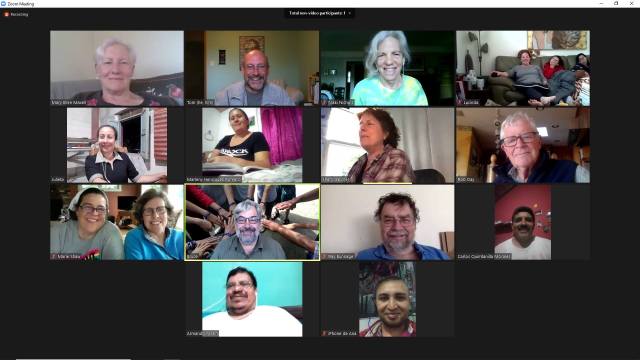
UPAVIM President Dina Velásquez gave us an update over Zoom about how the cooperative and community center based in urban Guatemala is weathering the pandemic. Dina also shared her thoughts on solidarity and faith in the pandemic.

Dina is a founding member and long-time leader within both UPAVIM and Sister Parish. We are grateful she was able to share with us over Zoom. For more information about you can visit the UPAVIM website and/or support the community center by shopping for masks and other beautiful crafts.

*Sister Parish provided consecutive translation for the Zoom meeting.

Posted in General | Leave a comment

Reflection from a rural doctor in El Salvador – Carlos Orellana

by Carlos Orellana

En español

Carlos is a doctor in a rural health clinic in Chalatenango, El Salvador.  He is also a community leader and a very involved member of the Sister Parish relationship that his community Potrerillos has with Decorah First United Methodist Church.


The past month in quarantine has been difficult.  In the very beginning, as a doctor, I thought we would be able to control the pandemic. At the time, I thought that the rural communities wouldn’t be too affected. At that moment I was thinking as the head doctor of a rural health care clinic.

It was not until I was transferred to the regional hospital in Chalatenango that I understood the reality more clearly.  Initially, I was working as a primary care doctor for COVID-19 patients. At this point, I was able to face the fear, not just my fears for myself because of my daily exposure to the disease, but also the stress of not having much contact with my family and the fear that, with contact, I could pass the virus on to them.

Later, I was asked to go and help the team in the morgue, where I witnessed  and felt pain, sorrow, suffering, empathy, and the fear of death.  I also witnessed dehumanization.  But in the middle of all of that, I felt what it really means to be human at the deepest level.

Carlos and his wife Alba on a visit to their sister community in Decorah, Iowa in 2014.

Carlos talks to our 2019 Open Delegation about efforts to find funding for a potable water project in Potrerillos.

Volunteers work to clean and disinfect public spaces in rural communities in El Salvador. Potrerillos, Chalatenango.

Posted in El Salvador, General | Tagged , , | Leave a comment

Movement for racial justice

“This is an emergency. I’m not talking about the coronavirus. I’m talking about racism. As all the universities in the world scramble to try to find a cure for the coronavirus – that same level of concern and action is needed to rid our society of the virus that is racism. I am calling for a declaration of a state of emergency for Black people. Racism is a public health crisis.”

–Andrea Jenkins, city council member in Minneapolis, 2020

“I will not tire of declaring that if we really want an effective end to violence we must remove the violence that lies at the root of all violence: structural violence, social injustice, exclusion of citizens from the management of the country, repression. All this is what constitutes the primal cause, from which the rest flows naturally.”

— Saint Oscar Romero, Salvadoran martyr and saint, 1979

In the wake of the George Floyd’s murder in Minneapolis and the widespread calls for systemic change in the U.S., Sister Parish joins the call that Black Lives Matter and supports the efforts led by Black people, Indigenous people and all People of Color to end systems of racism and inequality in the U.S.  We recognize that the calls are not new and did not start with George Floyd’s death but started with the unjust systems deeply rooted in our country, systems now exacerbated by the pandemic.  We call for justice for George Floyd, Breonna Taylor, Ahmaud Arbery, Tony McDade, Rayshad Brooks, Elijah McClain, Philando Castile, Jamar Clark, Michael Brown, Trayvon Martin, Tamir Rice, Sandra Bland, Eric Garner, and too many others killed by systemic and structural violence. We acknowledge the deep pain and grief that communities throughout the U.S. are feeling right now.

We believe that all people deserve to live with dignity and basic human rights. We also believe that true solidarity means recognizing and actively working to challenge and change unjust systems in partnership with the most impacted people.  The systems of racism and inequality are an integral part of U.S. history and the current reality, but they are also global systems, spread through colonialism and imperialism.  Calls for justice in Guatemala, in El Salvador, in the U.S., and throughout the world are intertwined.

As the Sister Parish community, what can we do?  We can listen, educate ourselves, and take action individually and collectively.  We can build new long-lasting relationships to promote racial justice and transform systems that oppress people. Our sistering relationships have always underlined the importance of listening, learning, and making commitments to change ourselves and our communities.  We believe that this work and each person’s journey exist on a continuum.  We are works in progress – always – and there are no simple solutions to such deeply rooted, painful injustices.  But we need to keep taking steps to uproot racism and anti-blackness in our communities and in our own hearts.  We invite our Sister Parish communities to join us in conversations, wherever people are on this journey.

What does our vision for our better world look like? What do we need to do to move our world toward one of compassion, justice, and equality in the midst of such deep crises?   In the words of Sister Parish member Miriam Vásquez, “This is hard, but we are called as Christians…to listen to the cries for help and take action. We want people alive and active in these times of violence and the pandemic.”

Thank you for being part of our Sister Parish family.  May we challenge ourselves to take more and bigger steps to dismantle racism as part of our long walk in solidarity with each other.

Sister Parish staff and board

A few resources

The following resources are only a small portion of what is available. If you are interested in sharing your local resources and actions, please let us know and we can add them.

Denominational racial justice resources

News, training and materials from organizations that work for racial justice

En español

Posted in Education and Advocacy, News, United States | Tagged | Leave a comment

Tierra Nueva 2 – Second round of food aid

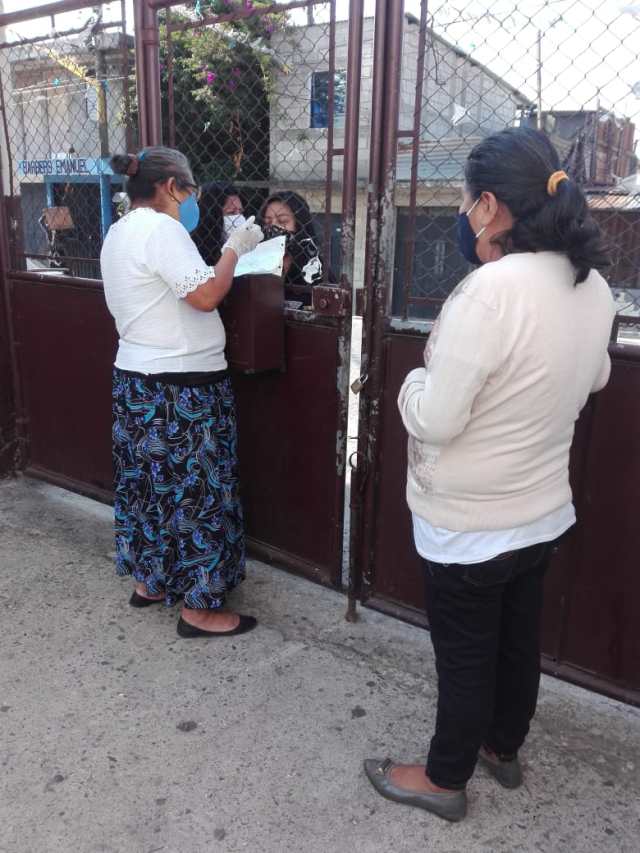
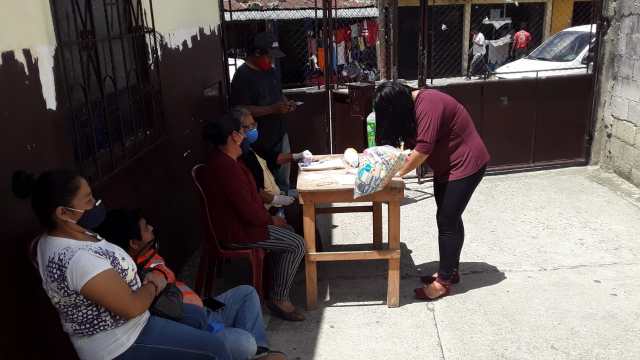
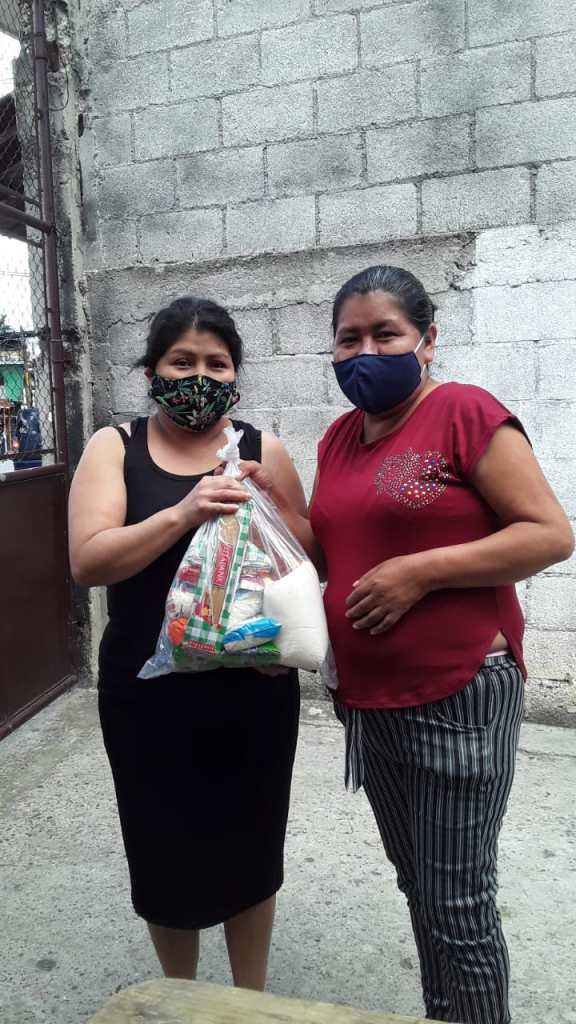
In June, the Sister Parish committee in Tierra Nueva 2, Guatemala organized a second round of food aid.  For the first round, they focused on providing food baskets and basic hygiene supplies to elders and single mothers, those thought to be among the most vulnerable to the negative economic impact of the shelter-at-home orders.  For the second round, the committee handed out food aid and basic supplies to people who had been quarantined after positive COVID-19 cases were found at the garment factories (maquilas) where they worked.  At that time, the Ministry of Health in Guatemala was supervising quarantine for families who had known exposure to the virus.  Families could not leave their homes for two weeks and relied on neighbors for food and basic necessities. Most of the workers were suspended without pay for this period.  The committee also included a few more at-risk members of the church in the second round of food aid.

Thank you TN2 for your example of solidarity in times of crisis.


Posted in Ayuda humanitaria 2020, Emergency Aid 2020, Guatemala | Tagged , , , , | Leave a comment

Moving to virtual hugs – Hacia los abrazos virtuales

Español abajo

Like most organizations in the pandemic, Sister Parish is transitioning to more and more online connections.  Whether it is Zoom, Facebook Messenger, WhatsApp, videos, photo campaigns, or our own unique combinations, we are committed to connecting our communities in our faith, in our lives and in our calls for justice.

Contact us to coordinate online activities with your partner community.  Below are just some of the ways that sister communities are connecting in the time of social distancing:

  • Bible study
  • Photo solidarity campaign
  • Committee meetings
  • Special festivals, for patron saints or anniversaries
  • Virtual delegation
  • Any other wonderful ideas you have for connecting despite distance

—-

Como la mayoría de las organizaciones en los tiempos de la pandemia, Sister Parish está haciendo la transición hacia más y más conexiones en línea. Ya sea a través de Zoom, Facebook Messenger, WhatsApp, videos, campañas fotográficas ,o nuestras propias combinaciones únicas, estamos comprometidos a conectar a nuestras comunidades en nuestra fe, en nuestras vidas y en nuestros llamados a la justicia.

Contacte con nosotros para coordinar actividades en línea con su hermanamiento.  Abajo se encuentran algunas ideas que los hermanamientos están usando para mantener viva la comunicación a pesar del distanciamiento social:

  • Estudio bíblico
  • Campaña de fotos en solidaridad
  • Reuniones del comité
  • Participación en festivales, como fiestas patronales u otras fechas conmemorativas
  • Delegación virtual
  • Cualquier otra idea que tengan para conectarnos a pesar de la distancia

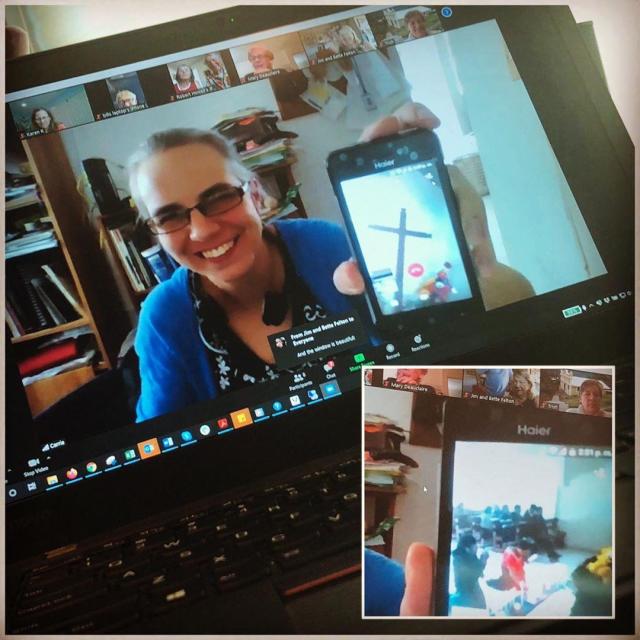
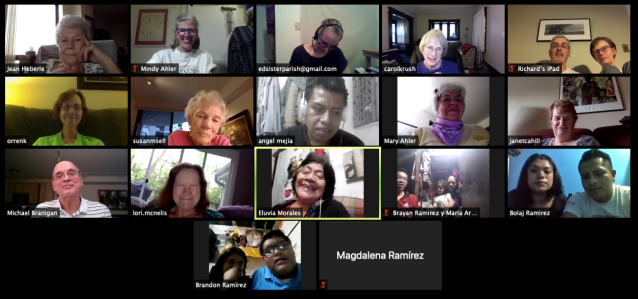
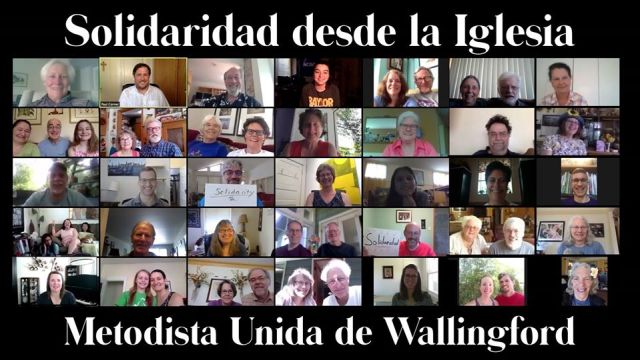
Reunion call with Wallingford UMC and Guarjila. / Reunión con Seattle y Guarjila.

Danville CC participates in San Antonio’s patron saint festival. / La iglesia de Danville participa en la fiesta patronal de San Antonio.

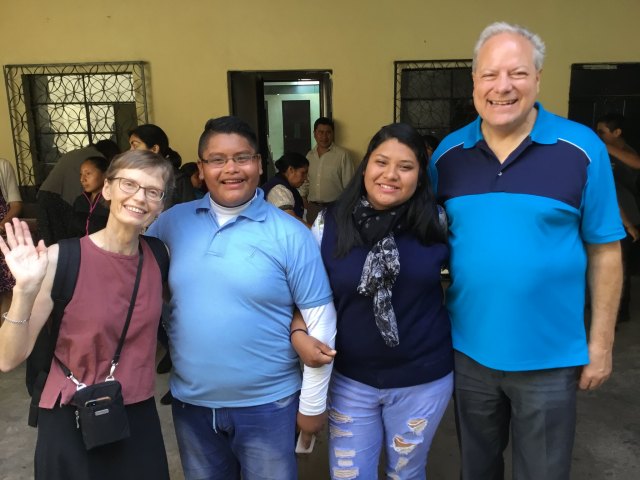
Bible Study with St Joan of Arc and TN2. / Estudio Biblico con Santa Juana y Tierra Nueva 2.

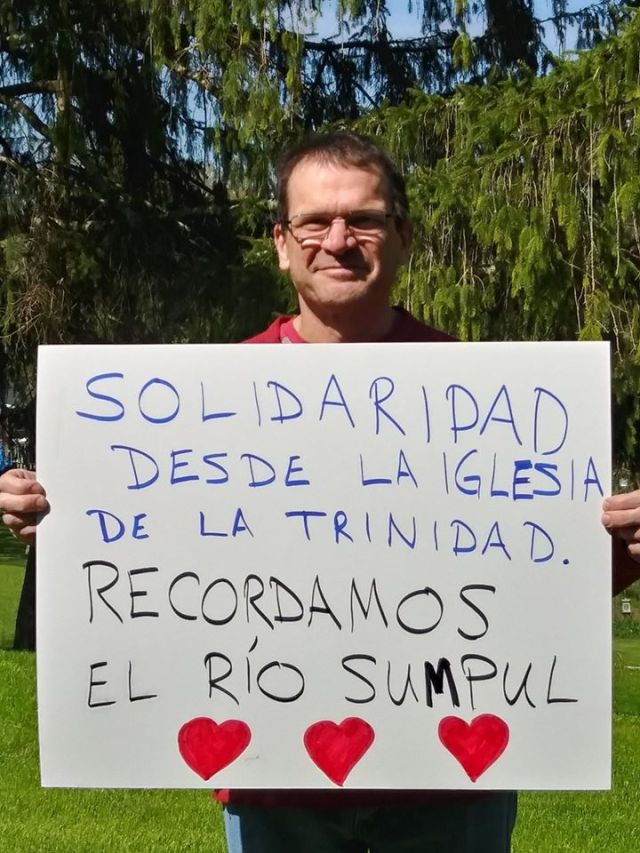
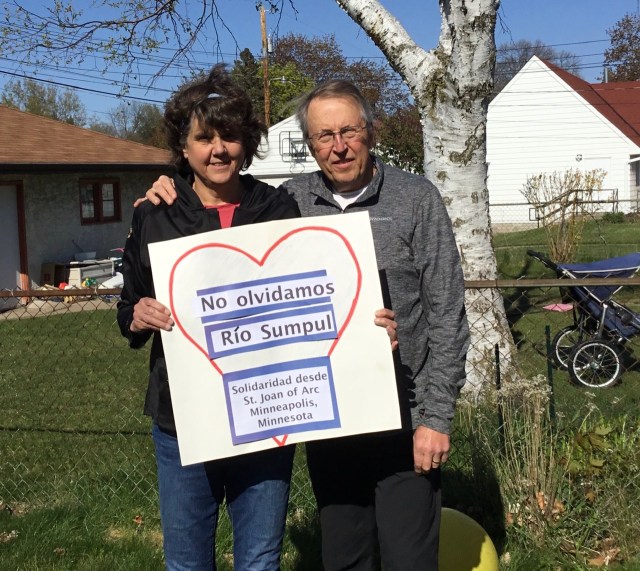
Solidarity photo campaign for the anniversary of the Sumpul River massacre. / Campaña de solidaridad para el aniversario de la masacre del Río Sumpul.

Solidarity photo campaign for the anniversary of the Sumpul River massacre. / Campaña de solidaridad para el aniversario de la masacre del Río Sumpul.

Solidarity photo campaign for the anniversary of the Sumpul River massacre. / Campaña de solidaridad para el aniversario de la masacre del Río Sumpul.

Posted in Español, General | Tagged | Leave a comment

Sister Parish May Video Update

The following video includes an update as of May 2020 on the pandemic in Sister Parish communities in Guatemala and El Salvador and community-based relief efforts to support the people most negatively impacted.

Sign up for our e-news to receive future video updates from Sister Parish staff and community members.


Posted in Emergency Aid 2020, General | Tagged , | Leave a comment

Zoom Conversation with Miriam – June 20

On June 20, Miriam Vásquez spoke with us over Zoom about the pandemic in urban areas in Guatemala and how people are drawing on their faith in a time of hardship.

Sign up for our e-news to receive notice about future Zoom conversations with Sister Parish leaders.

Posted in General | Leave a comment

How are the students? Persevering in Tierra Nueva 2, Guatemala

A conversation with Brandon Ramirez
Coordinator of the scholarship students in Tierra Nueva 2, Guatemala

I am in my last year of high school.  It has been very hard during the pandemic.  At the beginning, the teachers were preparing printed packets of our homework for us to pick-up and complete at home.  Now, the teachers are sending the homework online and we need to use Word and Excel.  I don’t have a computer, my phone doesn’t have enough memory for programs, and I don’t feel it is safe to go to the internet café because of the new coronavirus.  The market here was recently closed due to 7 vendors testing positive, so we know the virus is here.  Sometimes my friends at school send me the homework in a different format so I can print it out and do it by hand. Sometimes my sister lets me work on her phone, but it takes a long, long time to load.  Even when I can do the homework, without an explanation from the teacher, I don’t feel like I am really learning.  Many of us in my class feel like it might be better to repeat our grade next year, so that we actually learn the material.  I am not sure whether or not that will be possible for me.

Brandon (second from right) and his sister take a photo with delegates from St Joan of Arc during a tortilla-making session in TN2.

I am the Coordinator of the Scholarship Student Group here in Tierra Nueva 2 (Guatemala).  We had wanted to do more with the scholarship group this year. We wanted to have regular meetings to get to know each other and support each other more.  I was going to ask former scholarship students to join us to help us on homework or with other student difficulties.  With the pandemic, we can’t do this.  Hopefully we can try again next year.

We are still receiving the scholarship payments this year.  Our expenses are higher now, with internet use, and earning money is harder now for our families, so the support is needed. I have been checking in with the other students to see how they are doing.  Some of them are at different schools.  Some say that they have a weekly meeting by Messenger or Zoom with their teacher, who explains the material, and then assigns the homework for the week. That seems to be working better.

Even with all of the difficulties, we have seen a few positive things come out of the pandemic.  As a family, we are spending more time together and we can feel the love and the closeness of our family.  That keeps us keeping on in spite of all the negative things.  We might see that the pandemic came and destroyed everything.  But we also have more time as a family and we have time to meditate, think, and talk with God.  There are people here who forgot about God, but they are finding God again now, praying that all this passes.  We have time now for reconciliation, for meditation, and for prayer.

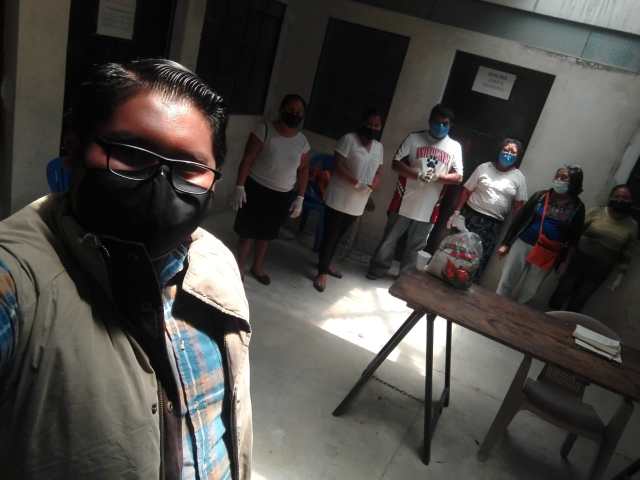
Brandon and other faith leaders prepare to hand out food aid to families impacted by the health measures to slow COVID-19.

Posted in Guatemala | Tagged , , | 1 Comment

Life of a student in rural Guatemala – Conversation with Tomas Tol Perez

The Guatemalan school year for public and most private schools begins in January and ends in October. This year’s fight against COVID-19 has disrupted the school year for many students in Guatemala. Teachers were preparing to enter the second trimester and grade exams. How many teachers are out of work and unable to interact with their children. Children are now missing necessary instruction to improve critical math and reading skills. This is especially evident in the rural parts of Guatemala. In Chontala, El Quiche, we spoke with Tomas Tol Perez to gain insight into how students are managing their studies during these challenging times. His daughter is among one of those students striving to finish middle school while engaging in distance learning.

COVID19 has demonstrated to many people that accessing the internet continues to be a barrier for those with scarce resources. Kids in rural Guatemala are seeing this more than any sector in the country. Specifically, in Chontala kids in primary school are no longer receiving any kind of instruction. This is due to many factors, some that are simple, other factors are more complex. Lack of access to the internet, the cost of internet access, lack of technology fluent family members are among the factors. However, it also does not help when you have a school system that never implemented technology in its everyday instruction to begin with. So, most primary school populations are completely and indefinitely without any kind of instruction.

In contrast, secondary and older school age youth are receiving some type of instruction. The amount and complexity of that instruction differs according to how available resources are in the corresponding community. In Chontala, the older youth are receiving homework, turning in assignments, and receiving occasional instructional videos from their teachers via the application WhatsApp. These exchanges between teachers and students happen around 2 to 3 times a week. These older students are considered fortunate because their futures are considered less hazy.

In Chontala and other communities, parents, students, and teachers are very worried. Many of these concerns overlap. In Guatemala, some teachers are paid by the local parents and not the government. These teachers usually teach subjects such as English. In Chontala, the English teacher is without a salary because parents can’t afford to pay for a teacher who is not able to teach their children because of COVID-19. Other teachers that are paid by the government are receiving their salaries. Parents, whose children are in primary schools are worried about whether or not their children will pass their current grade. Will there be midterms or final exams? If so, how can you test a child who has not been receiving any type of instruction? Will they be graduated automatically or forced to repeat a grade? If Guatemala finishes our shelter in place period before the school year ends, will parents be able to pay certain teachers? If they are not, who will or will students have a shortage of teachers?

Many of these questions concern an uncertain future and a future that the government is ill equipped to handle. Life in Guatemala for most has always been a balancing act of falling into an abyss or staying afloat to survive. For many, that is even more the case in these times.

Posted in Guatemala, News | Tagged , , , | Leave a comment

Communities organize in absence of government aid

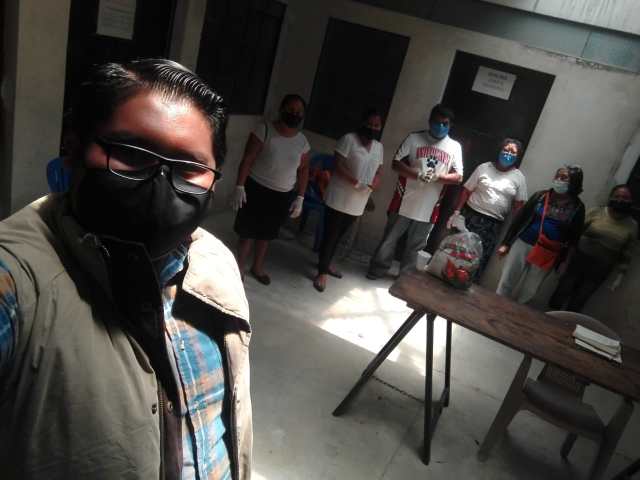
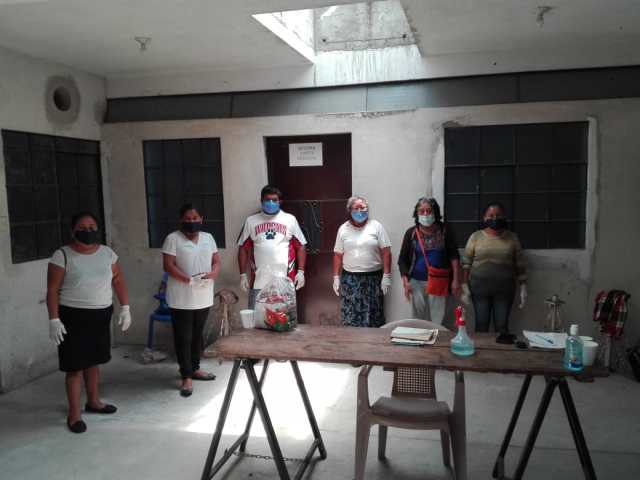
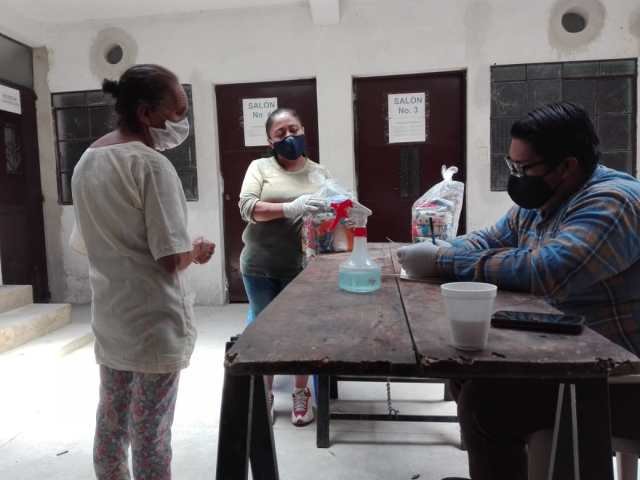
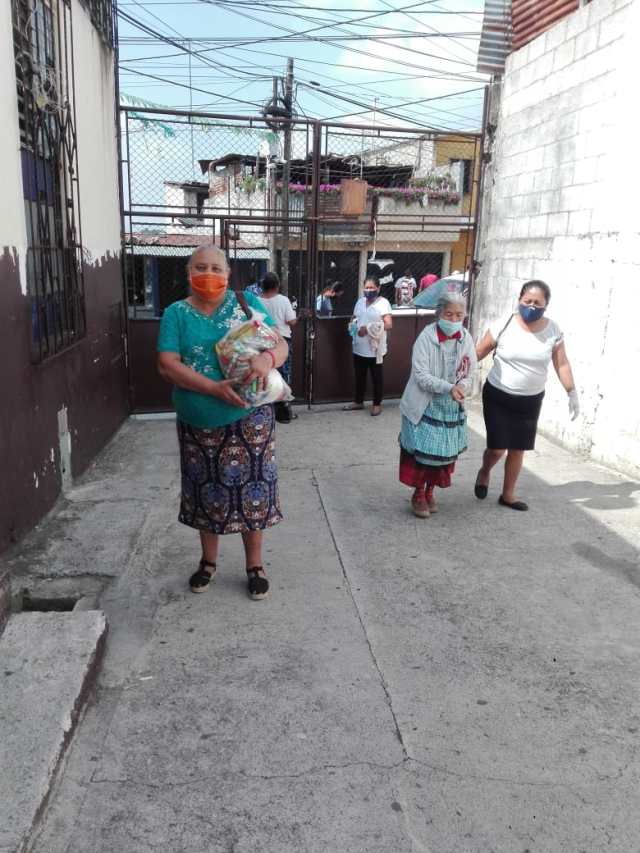
Community leaders in San Andrés Itzapa organize to support families that are struggling economically due to the public health measures.

Waiting for government aid

The Guatemalan government has borrowed billions of dollars from the International Monetary Bank, Inter-American Development Bank, and The World Bank to fund various natural disaster relief programs and other programs. These programs aim to support the Guatemalan populations who are struggling financially and health wise due to restrictions on mobility and commerce in response to the global pandemic. The government has designated around Q11 billion (quetzales) to fund three programs: The Employment Protection Fund, The Capital Credit Fund, and The Family Bonus. Some features of this program include providing some families with Q1,000 a month, easing some credit payment charges, making loans more readily available, providing funding for pension plans, and protecting employment of certain employees. However, these programs have not been executed with transparency and many people have not seen the benefits.  The programs also leave certain vulnerable populations completely out of the picture.  Families can access one of the programs, for instance, by showing a low level of electricity usage on their bill, leaving families without electricity without access. Rural communities continue to wait for agricultural products promised by the Ministry of Agriculture, Livestock and Food.

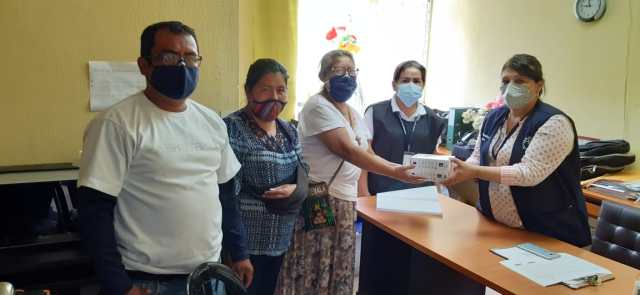
No-touch thermometers were donated to the clinics in Tierra Nueva 1 and Tierra Nueva 2 through the partnership between St Joan of Arc and Tierra Nueva 2.

Communities organize locally

In the absence of government aid, many Guatemalans are taking up the torch and supporting their neighbors without help from the federal government. Doctors are buying much of their own equipment, churches and community members are gathering and distributing food supplies, non-profit and private organizations are donating much-needed financial and material support to help in efforts. Sister Parish Inc.’s community leaders are also doing their role in providing food baskets with basic grains and other food to help families through these tough times. So far, Tierra Nueva 2, Tierra Nueva 1, Chontala, San Andrés Itzapa and Chichipate have organized efforts to help their neighbors.

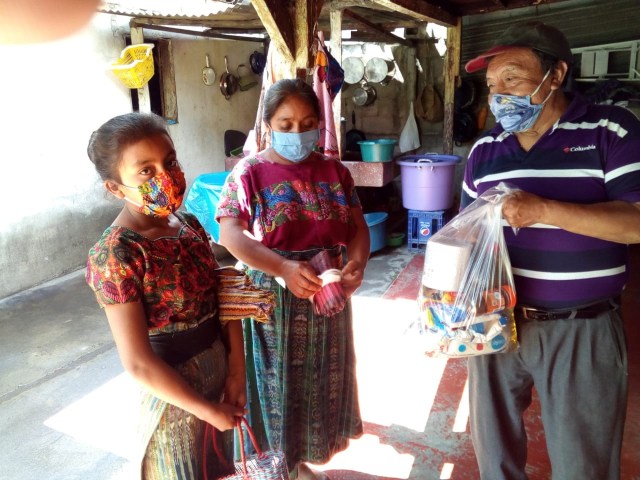
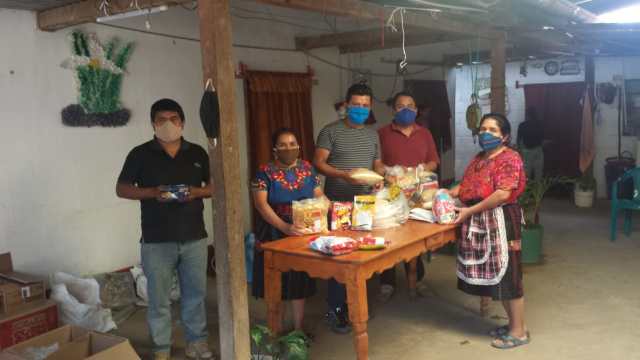
Leaders in Chontala organize food baskets for families in need.

Leaders in Tierra Nueva 2 organize a food drive for elders and single mothers.

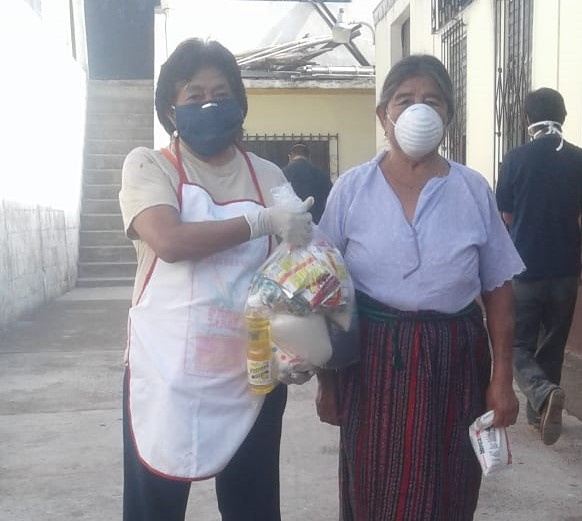
Food drive in San Andrés Itzapa.

Posted in Ayuda humanitaria 2020, Emergency Aid 2020, General, Guatemala, News | Tagged , , , , , , , , | Leave a comment