This blog is a place for our staff, members and supporters to share news and reflections about Sister Parish. You can sign up for our e-news to receive updates or contact us to submit a piece of your own. See blog archives.
Are you searching for a way to connect faith with action? Have you been part of Sister Parish and wondered what it means to truly accompany our partners in Central America? Or perhaps you are simply curious—about migration, climate resilience, history, and the everyday courage of communities who continue to build hope.
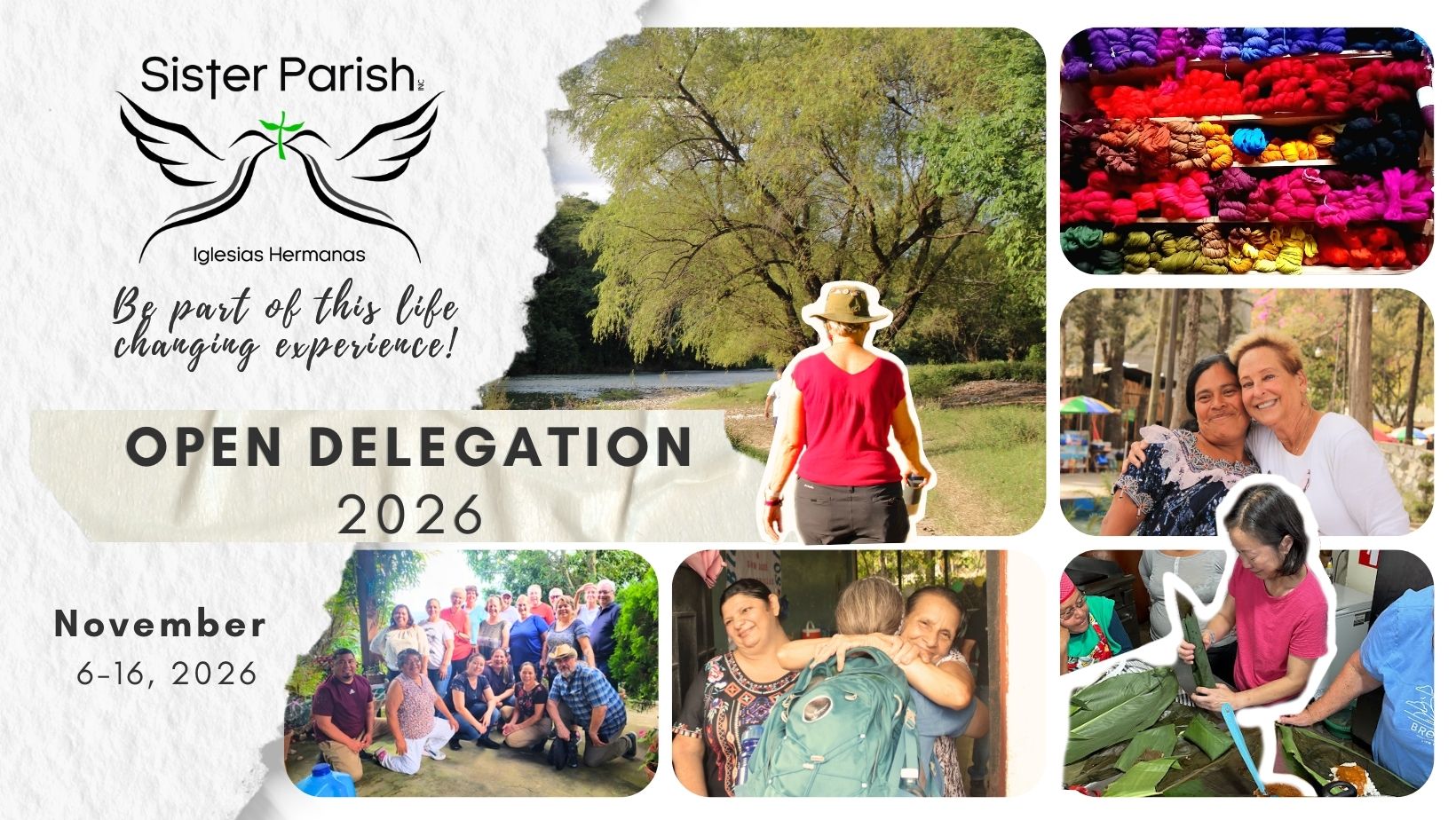
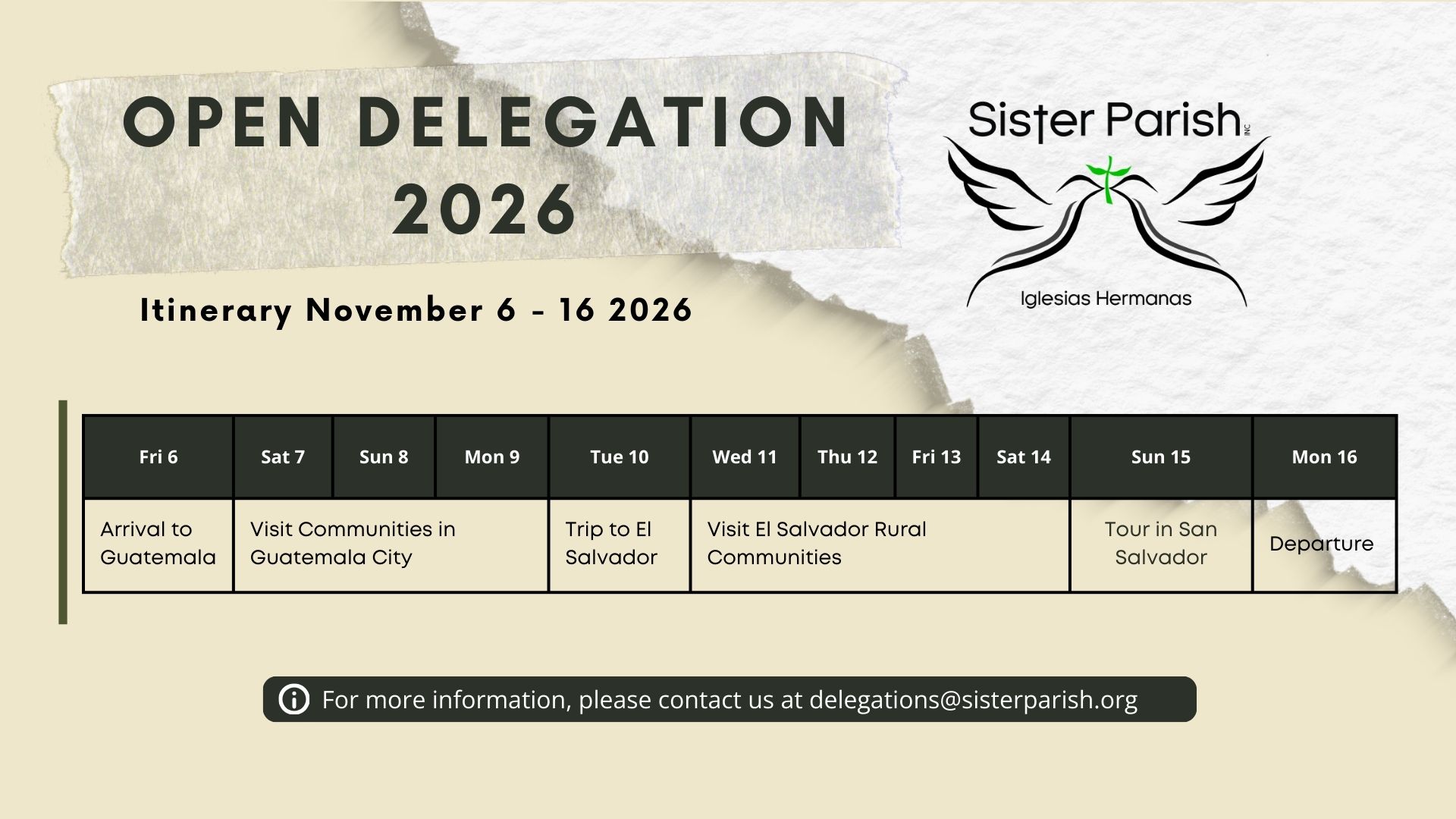
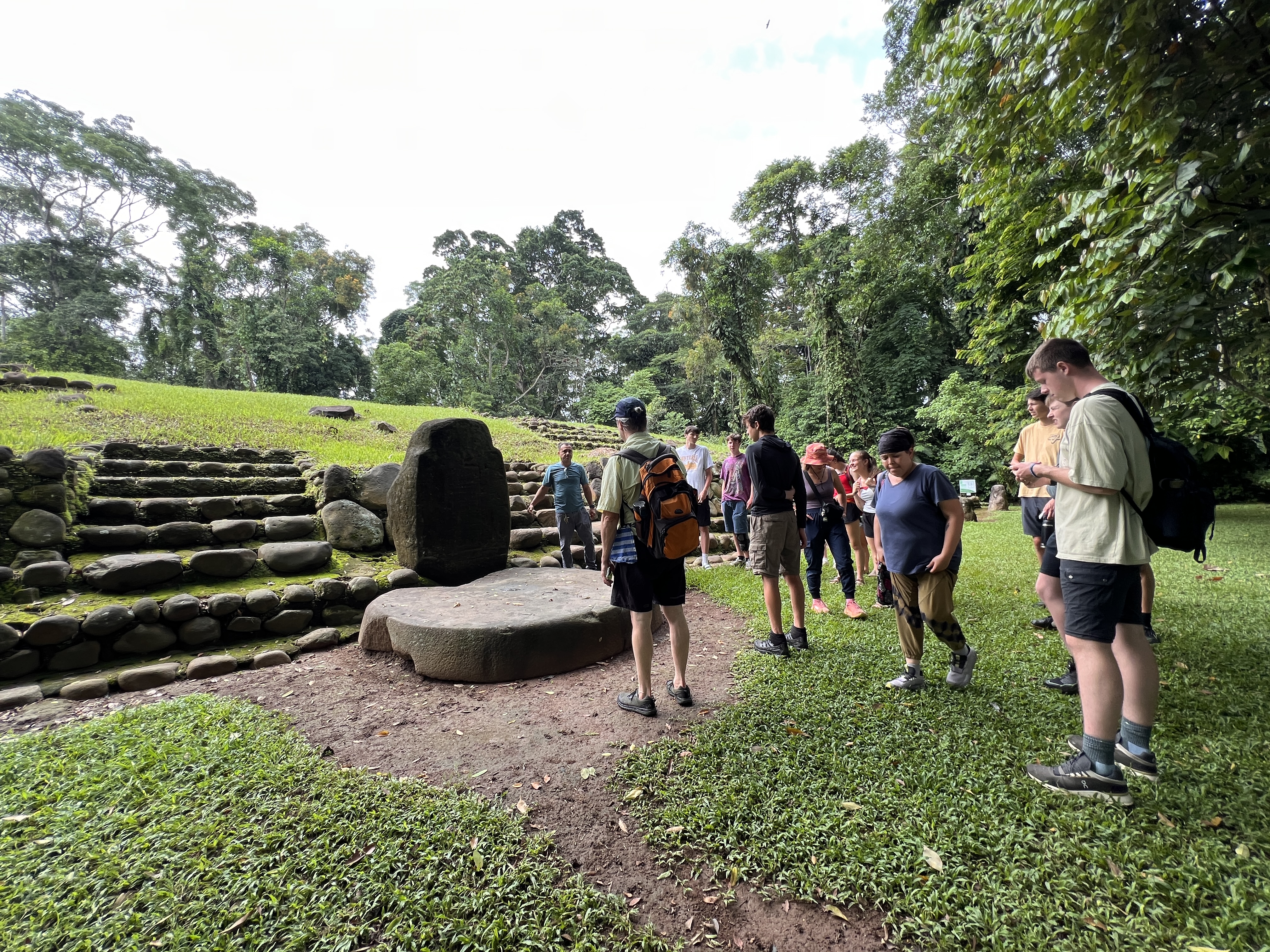
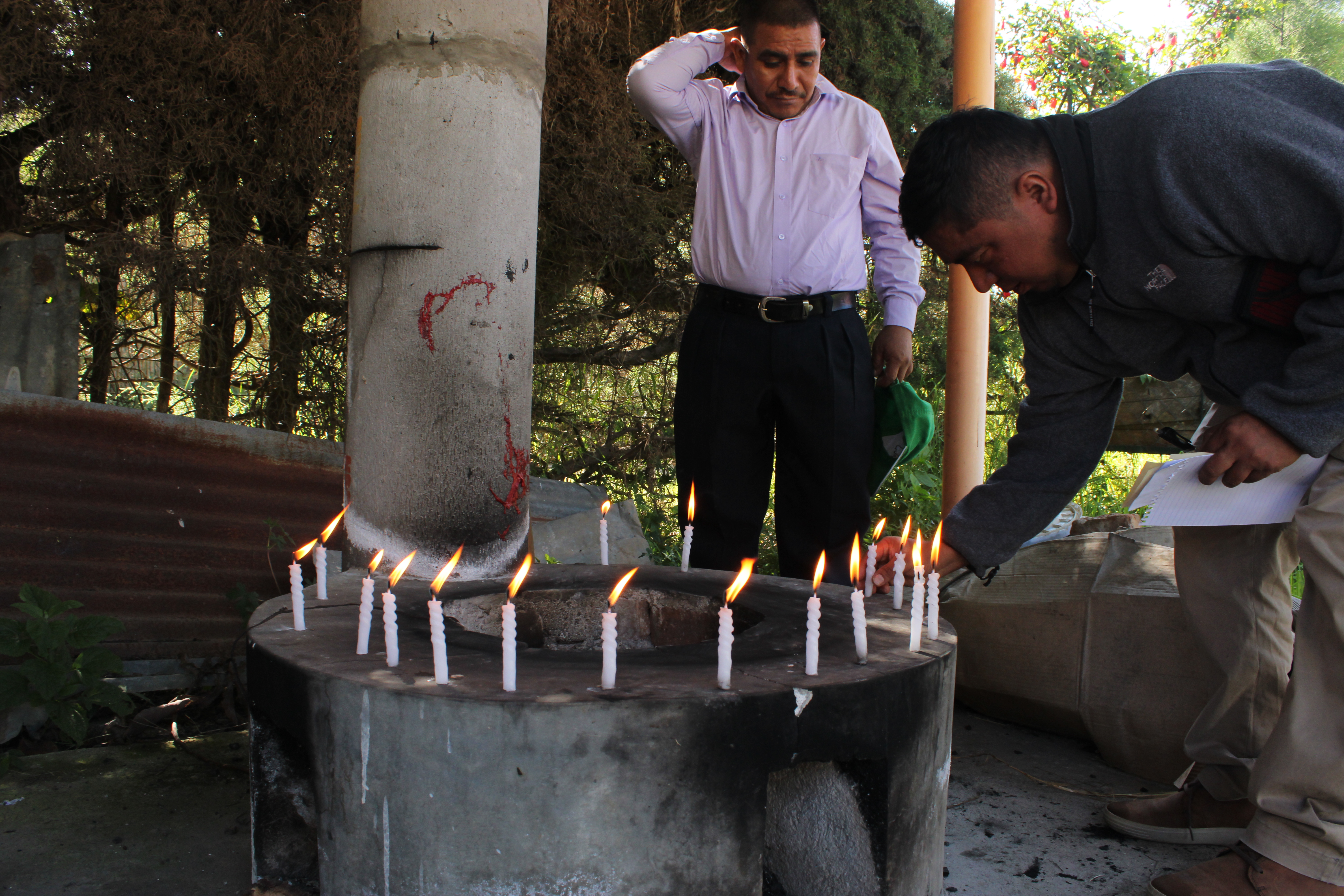
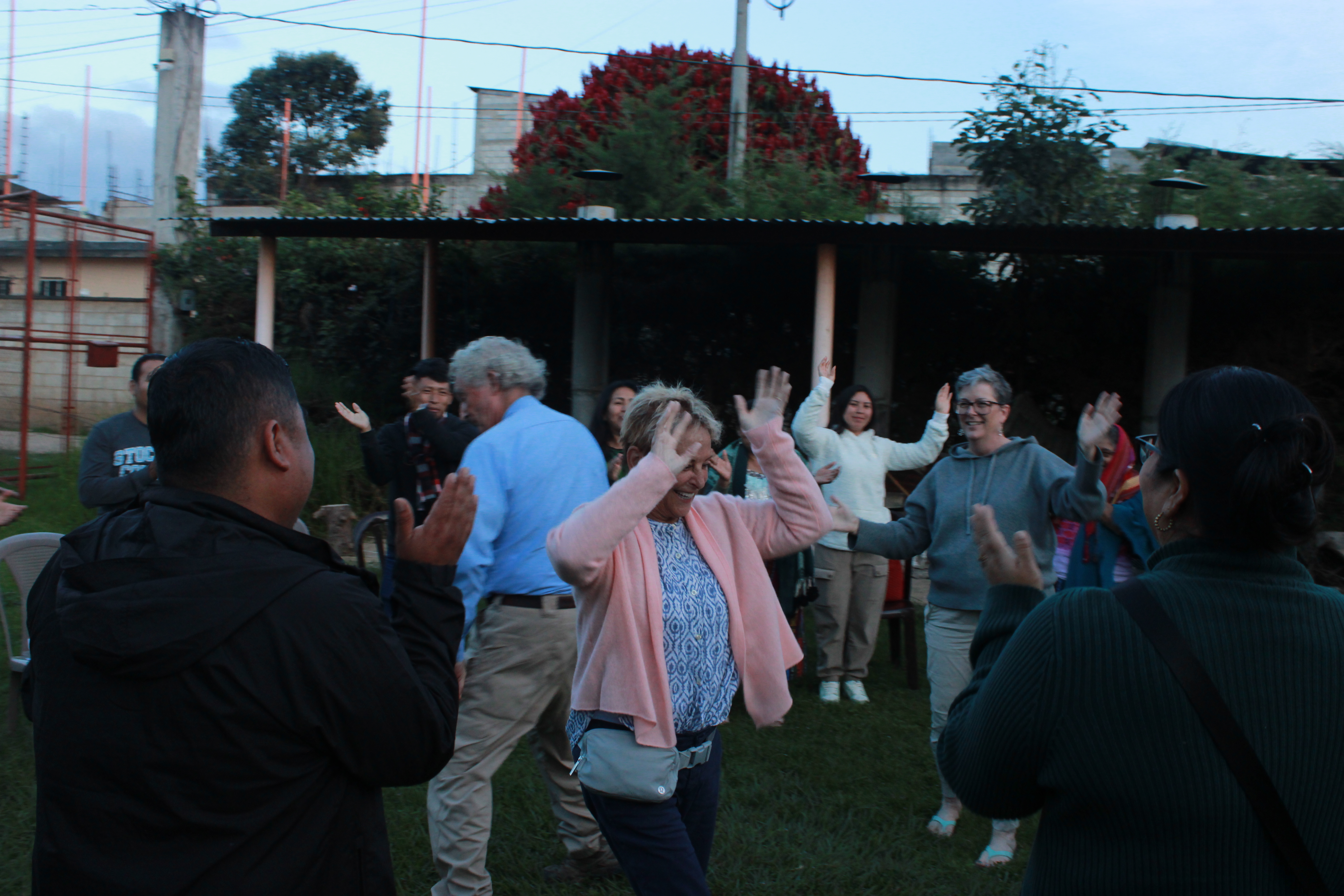
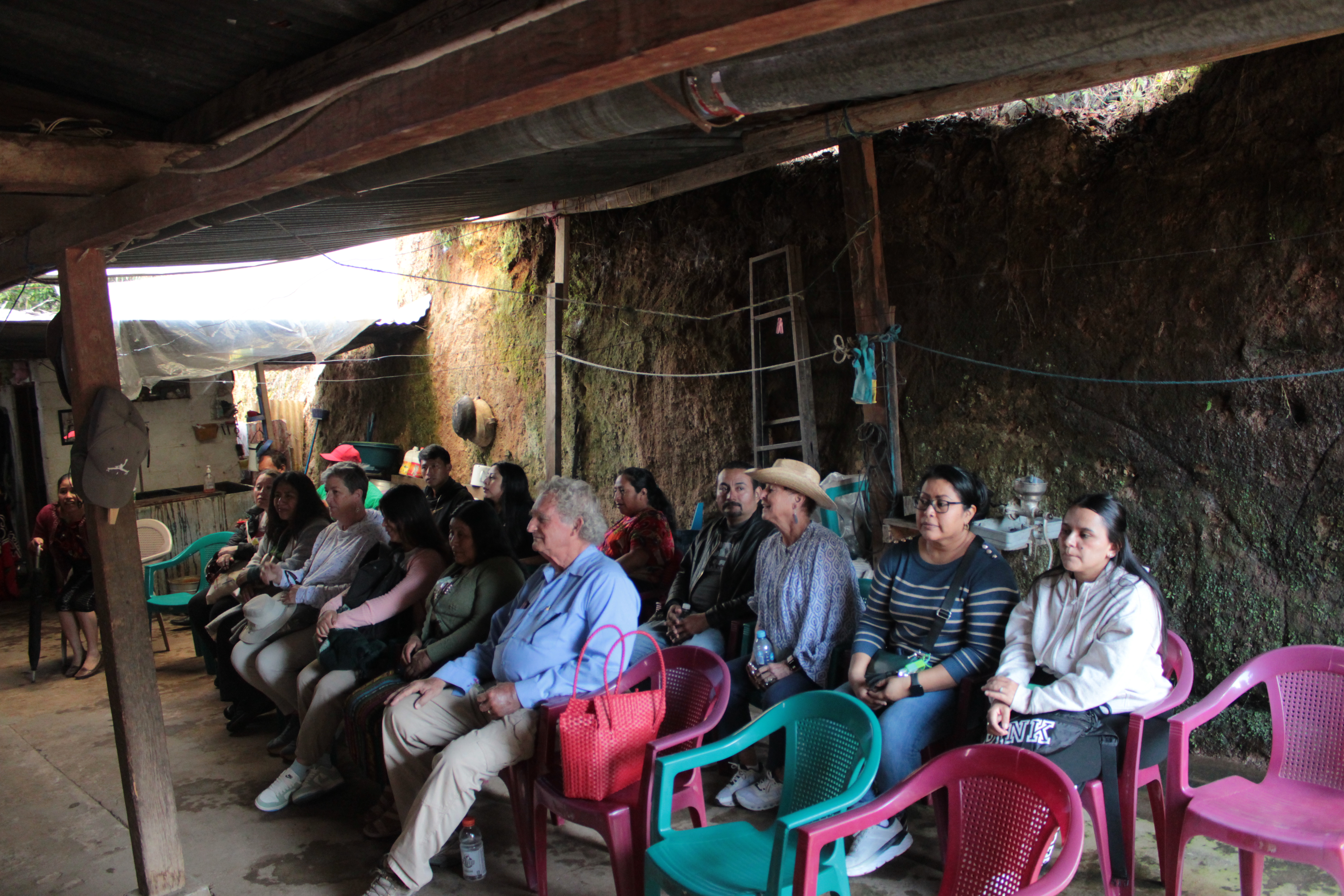
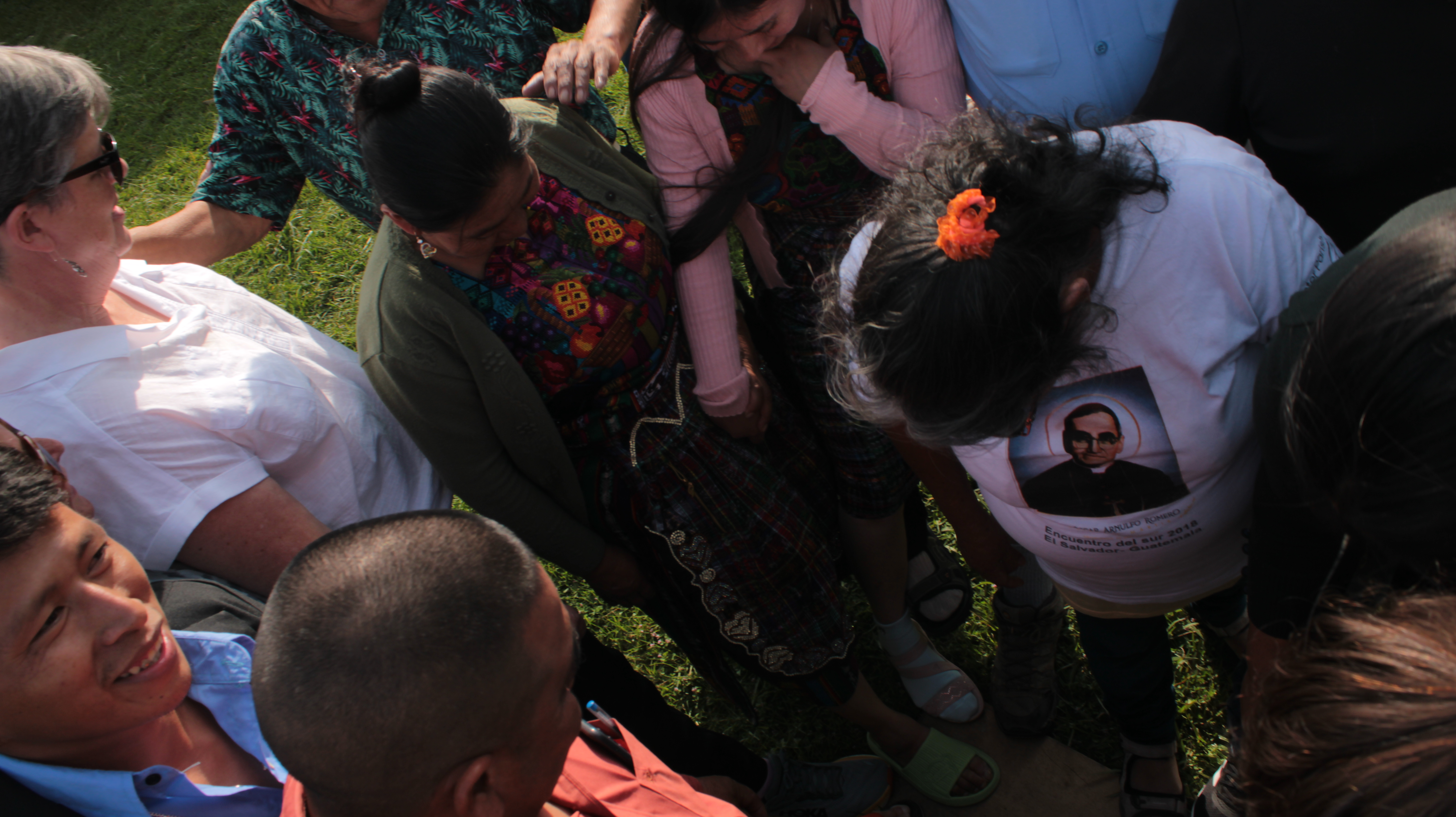
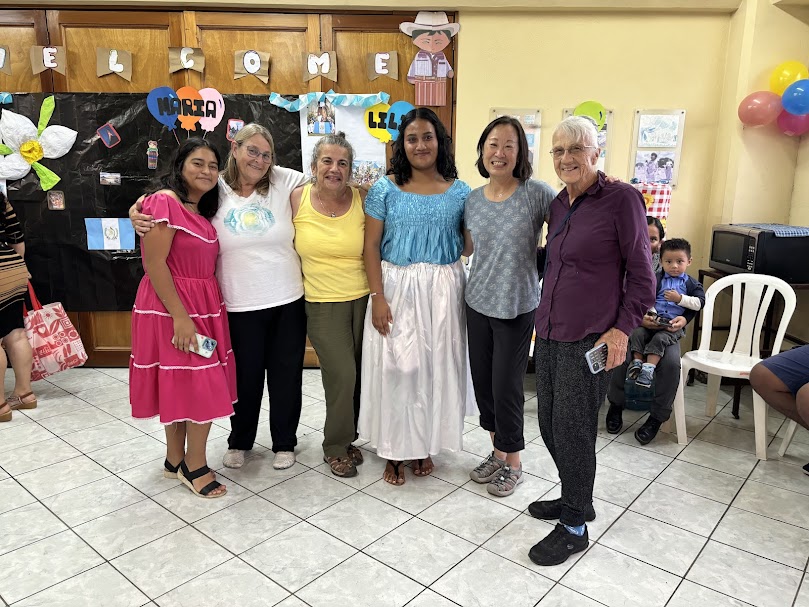
We invite you to take part in the Open Delegation to Guatemala and El Salvador, November 6–16, 2026.
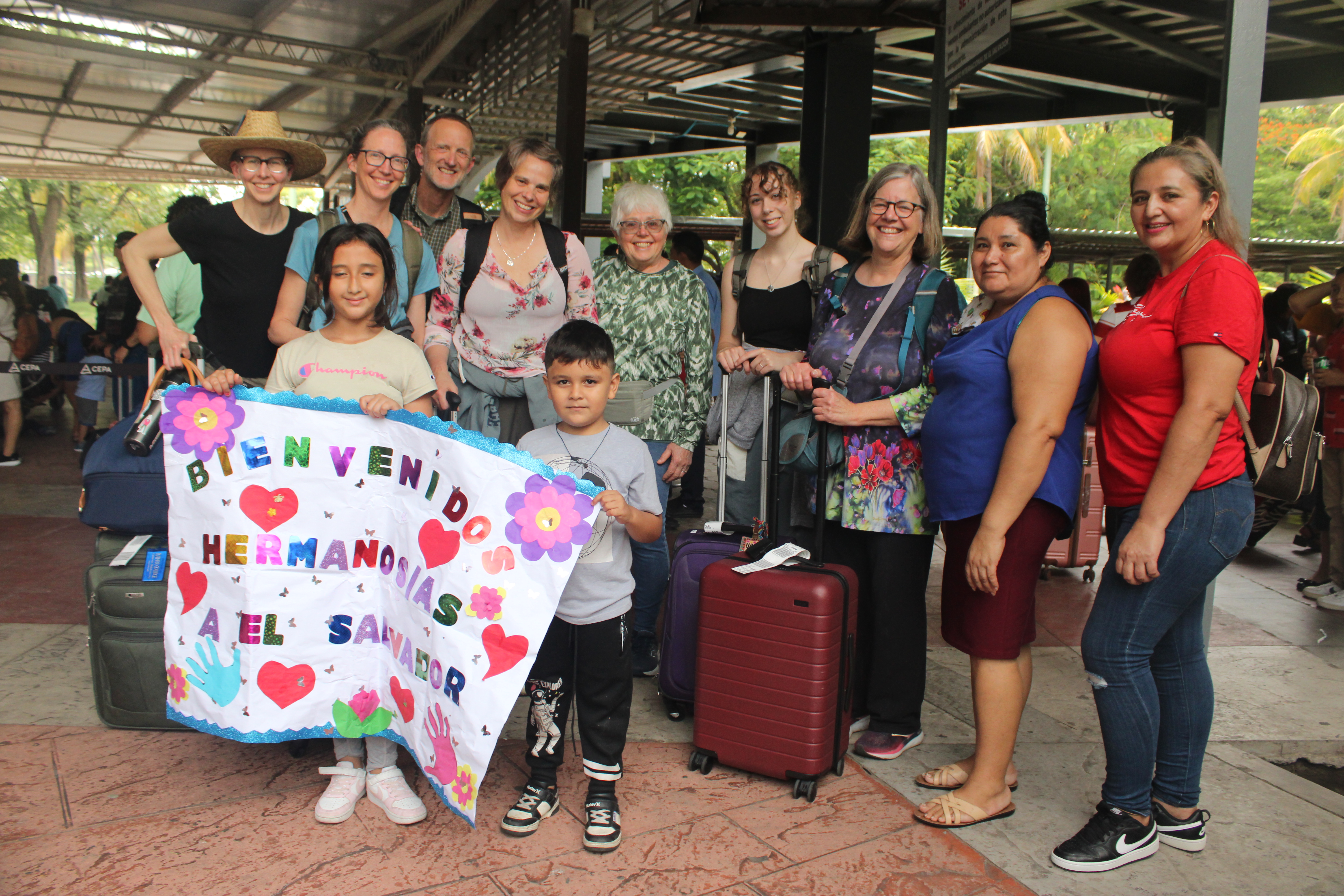
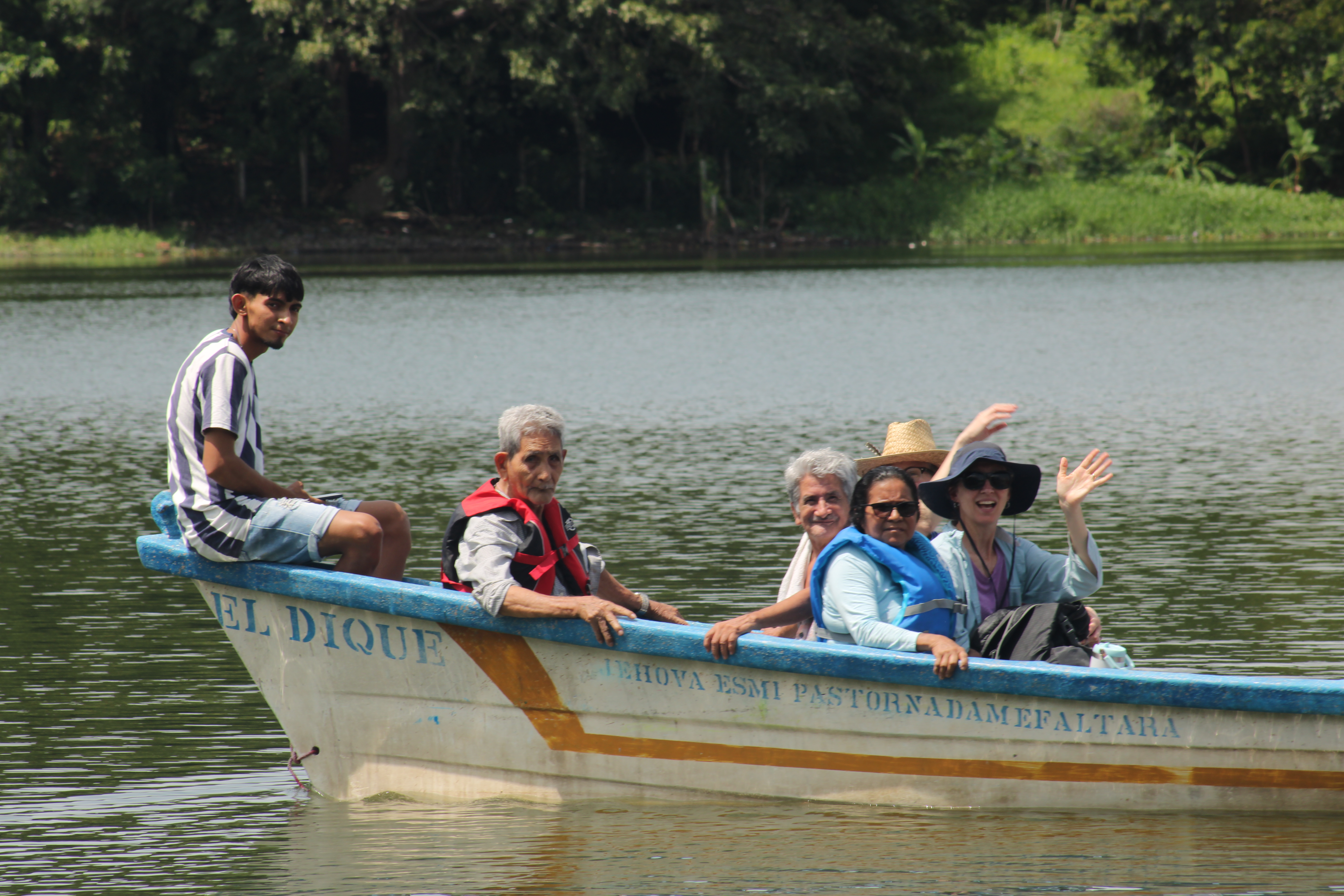
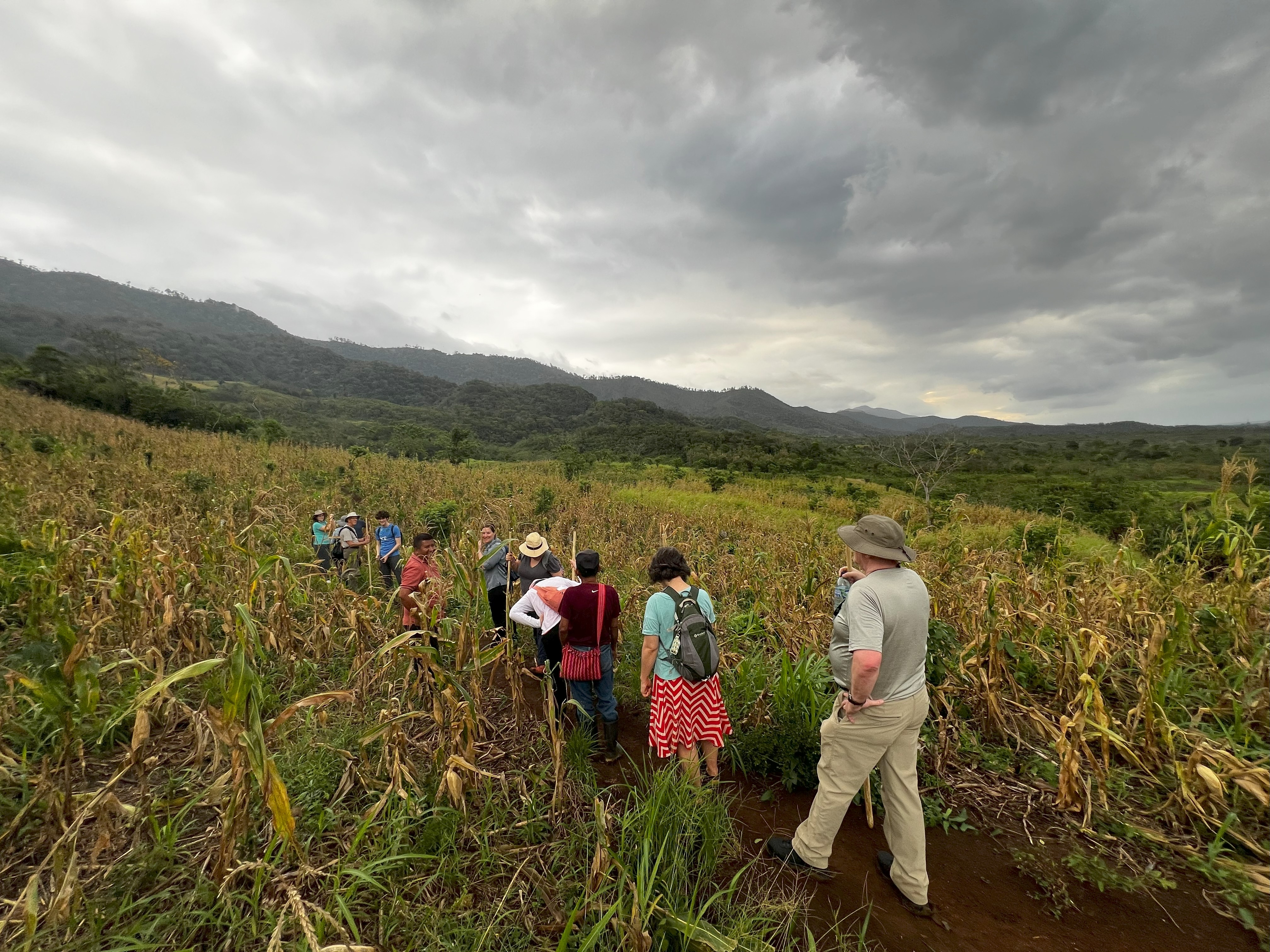
This delegation is more than a trip. It is a shared journey of presence and relationship. Over ten days, we will visit Sister Parish communities in both countries, spending time in conversation, prayer, and daily life. We will listen to stories shaped by history and resilience. We will reflect together on faith, justice, and what it means to stand in solidarity across borders.
Delegates will gather with leaders and representatives from Sister Parish communities throughout Guatemala and El Salvador, strengthening connections across our network. We will learn directly from our partners about the realities they face today—from economic pressures and migration to environmental challenges—while also celebrating the strength and wisdom rooted in their communities. Our time together will include visits to places of historical memory and meetings who will help illuminate the broader context of the region.
Whether this is your first introduction to Sister Parish or a continuation of long-held relationships, the Open Delegation offers space for learning, reflection, and transformation.
What: Sister Parish Open Delegation to Guatemala and El Salvador Who: Open to the public — Everyone is welcome When: November 6–16, 2026 Preparation: 3–5 online orientation sessions scheduled around participants’ availability Cost: $1,775 plus airfare (Travel scholarships are available; please contact us for details.)
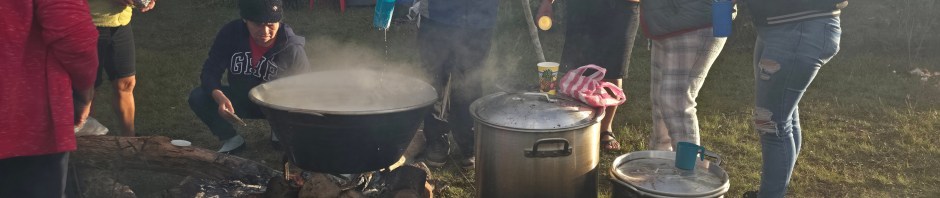
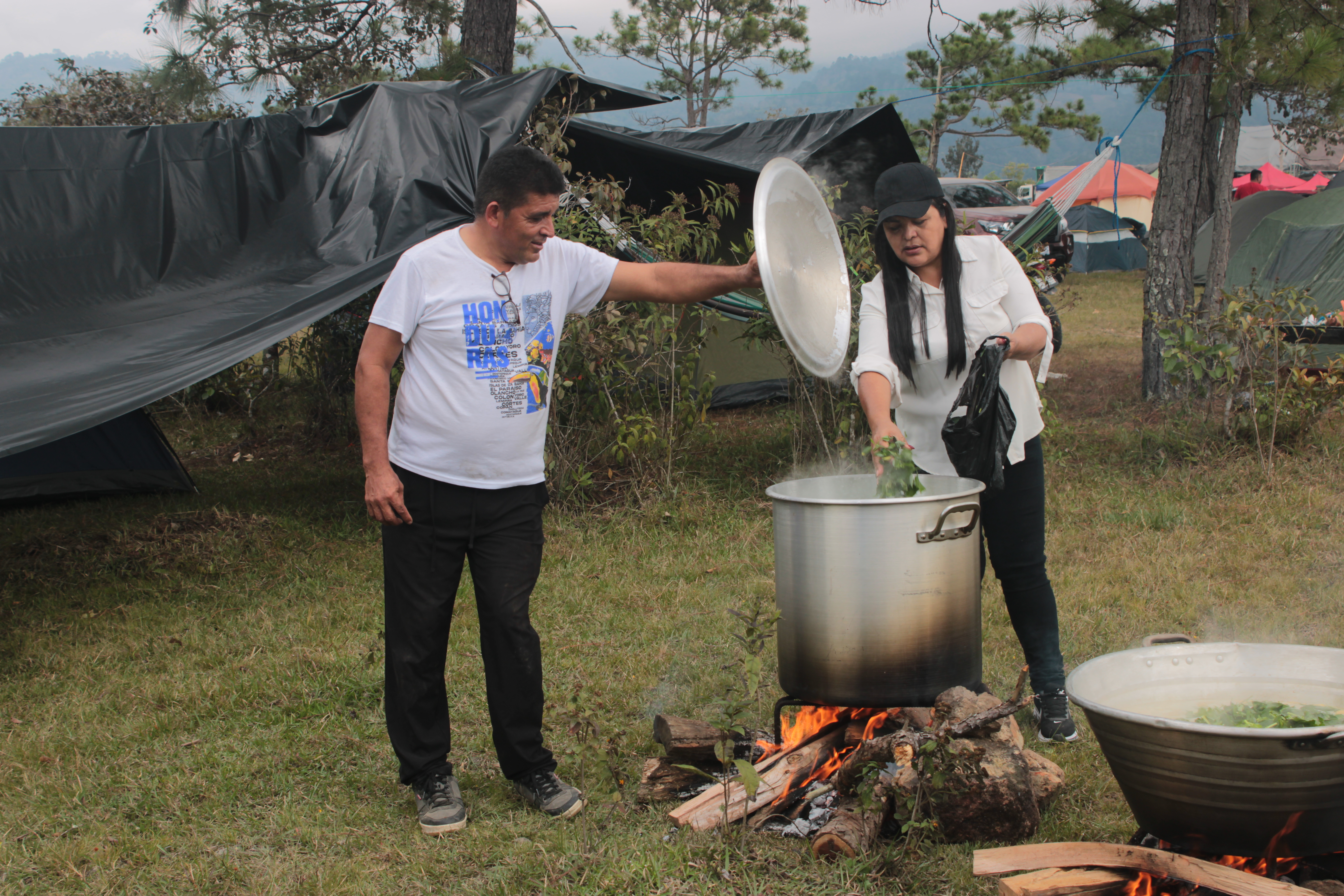
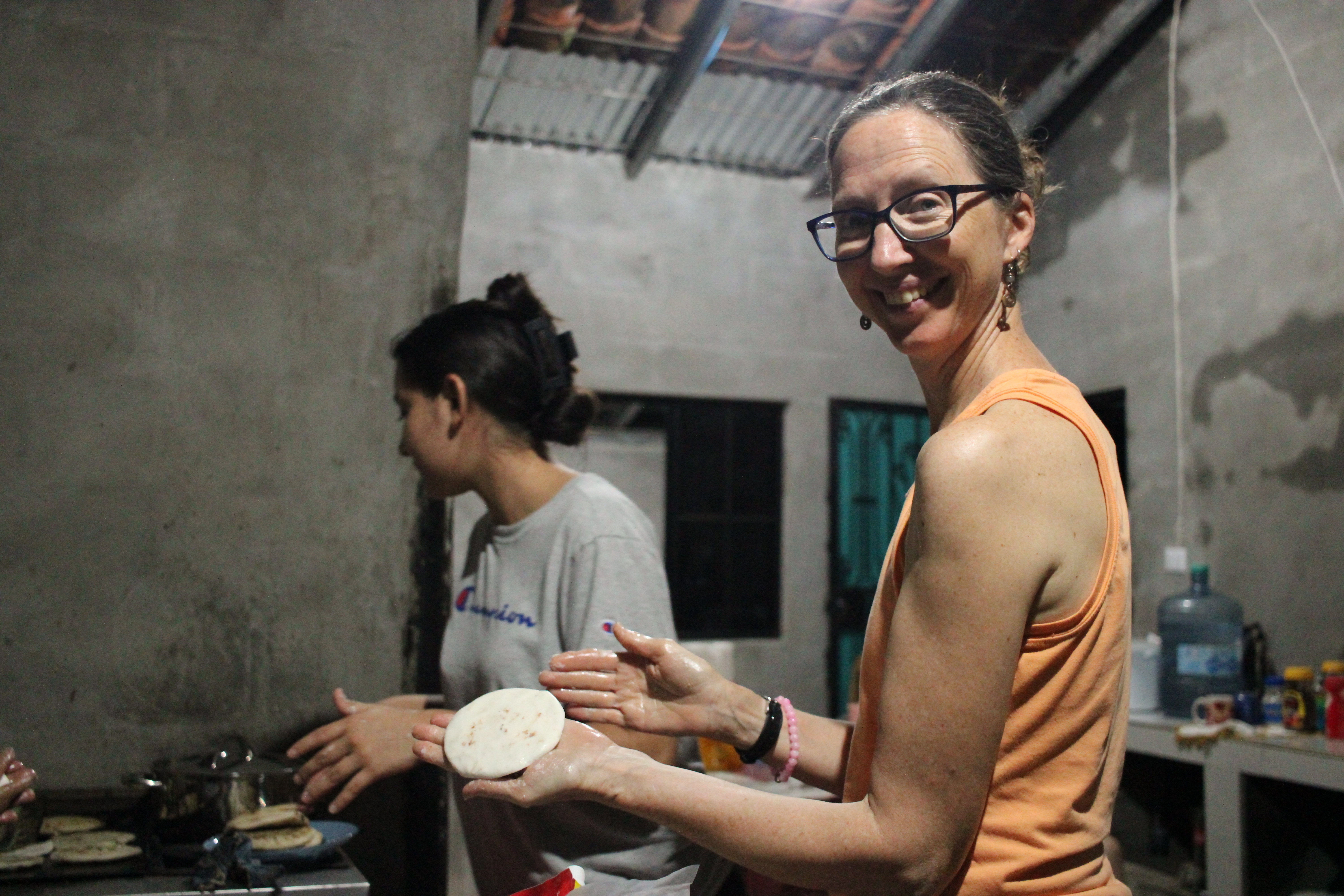
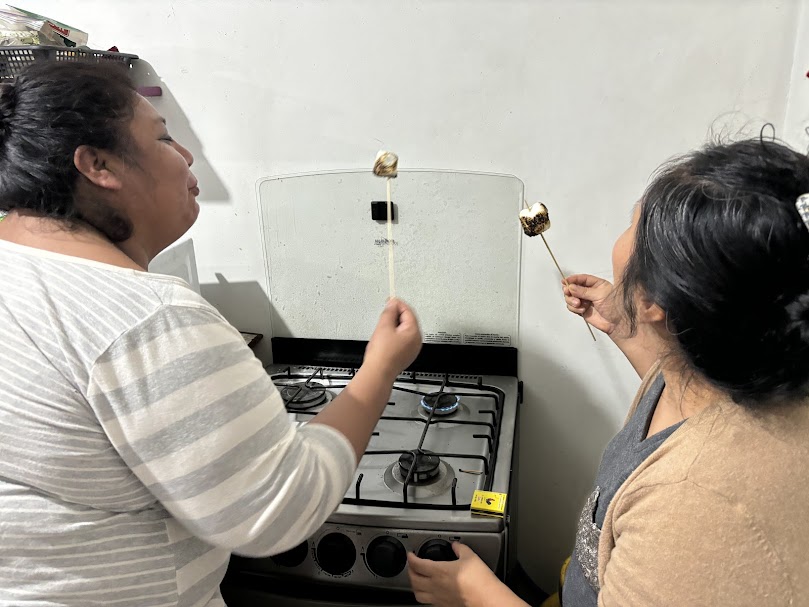
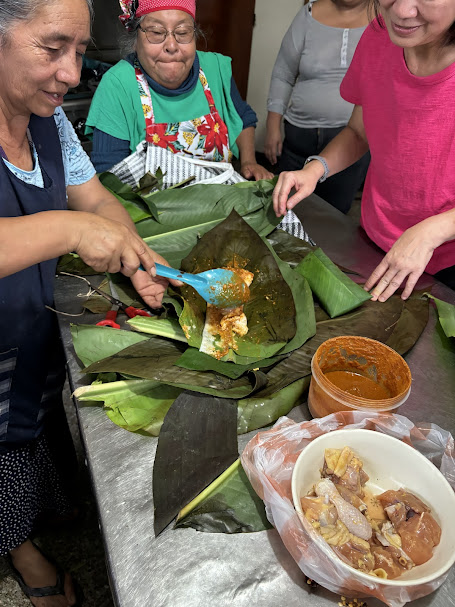
Groups from communities traveling together divide up tasks to cook and make sure everyone eats during the trip.

Grupos de las comunidades que viajan juntos, se distribuyen tareas para cocinar en conjunto y se aseguran que todos coman en el viaje.
[Español Abajo]
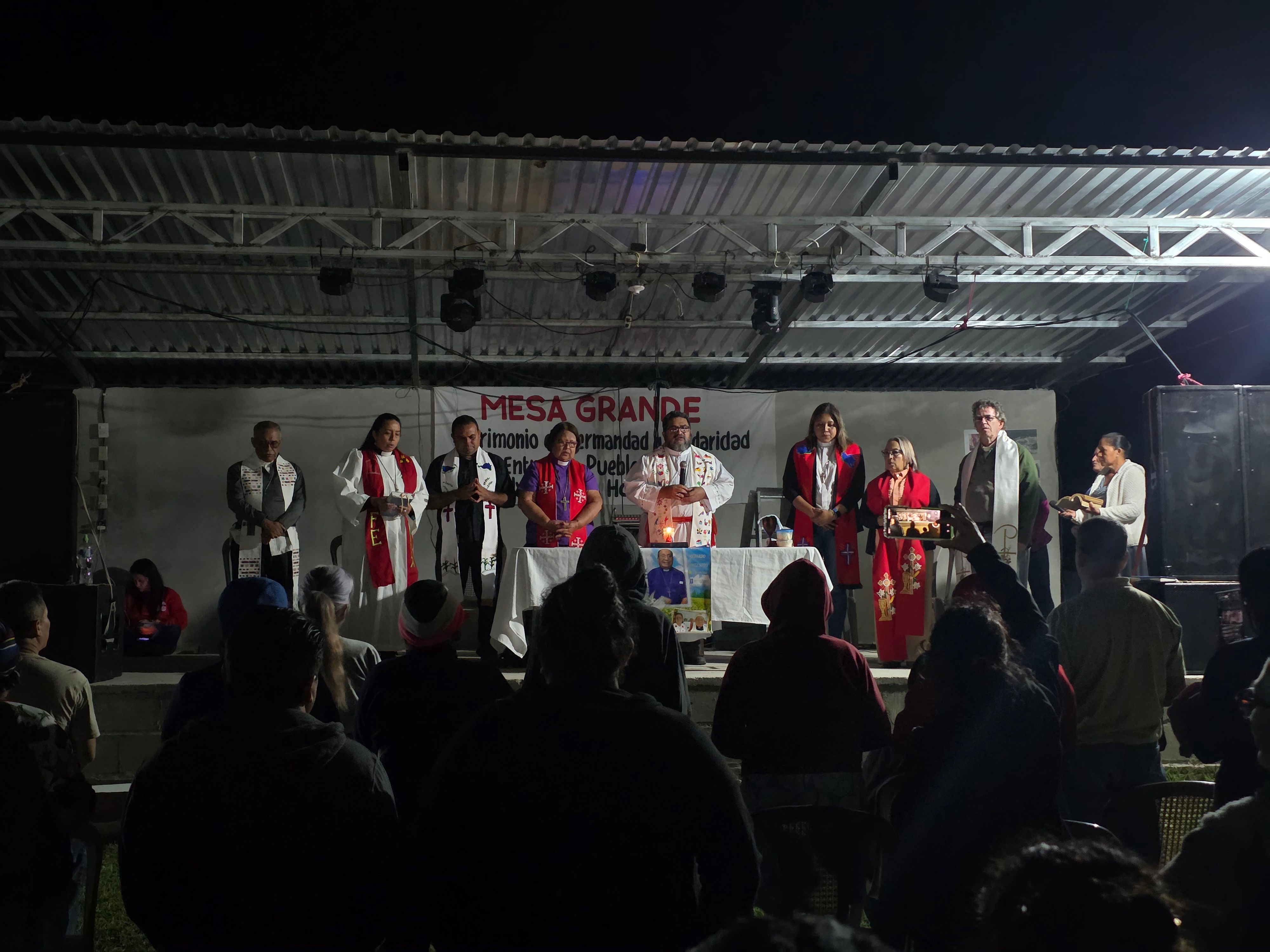
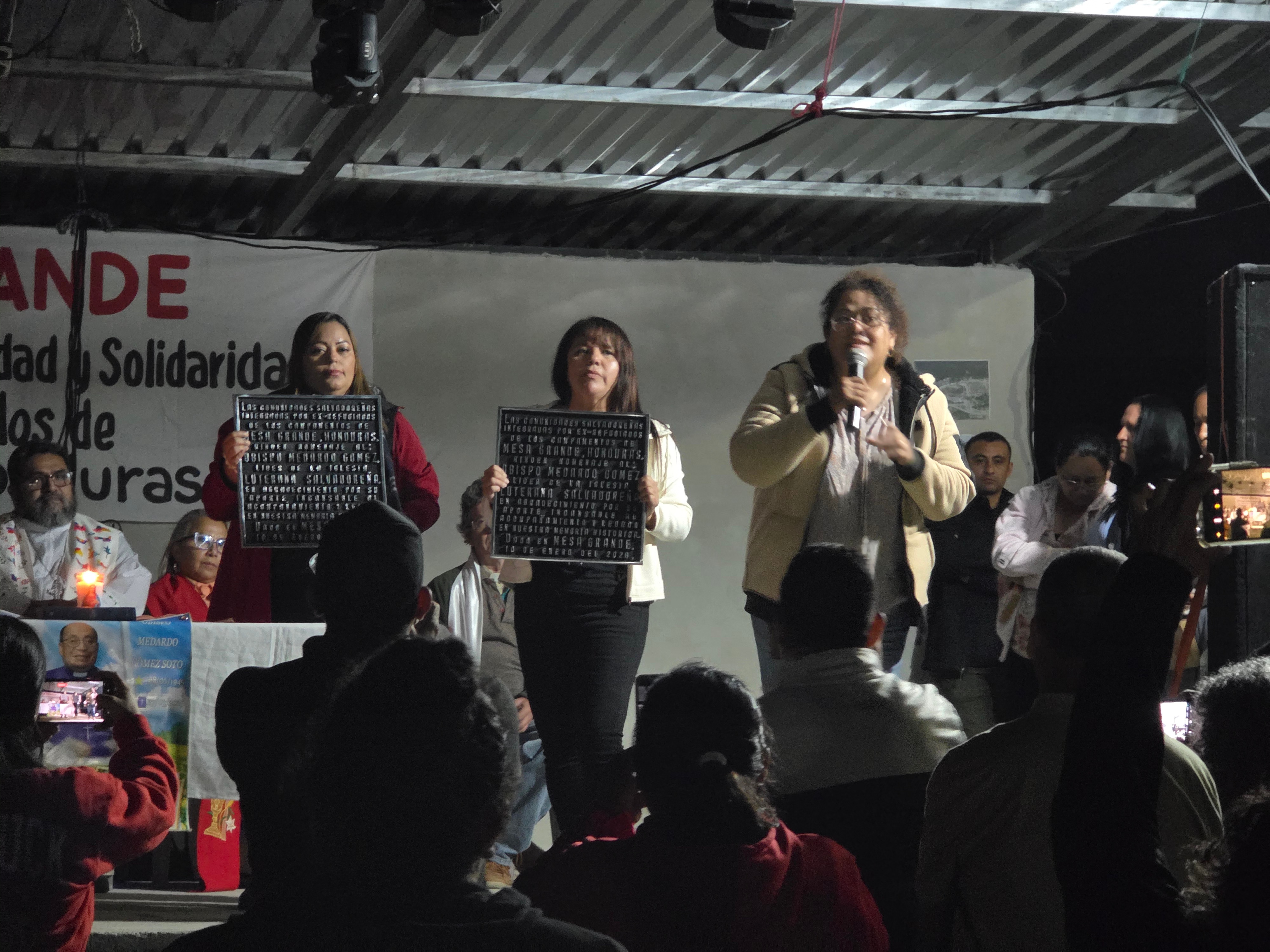
During the Salvadoran armed conflict in the 1980s, thousands of people were forced to flee their homes and seek refuge in neighboring countries. One of the places that welcomed numerous families was Mesa Grande, in Honduras, where refugee camps became spaces of organization, solidarity, and hope amidst adversity.
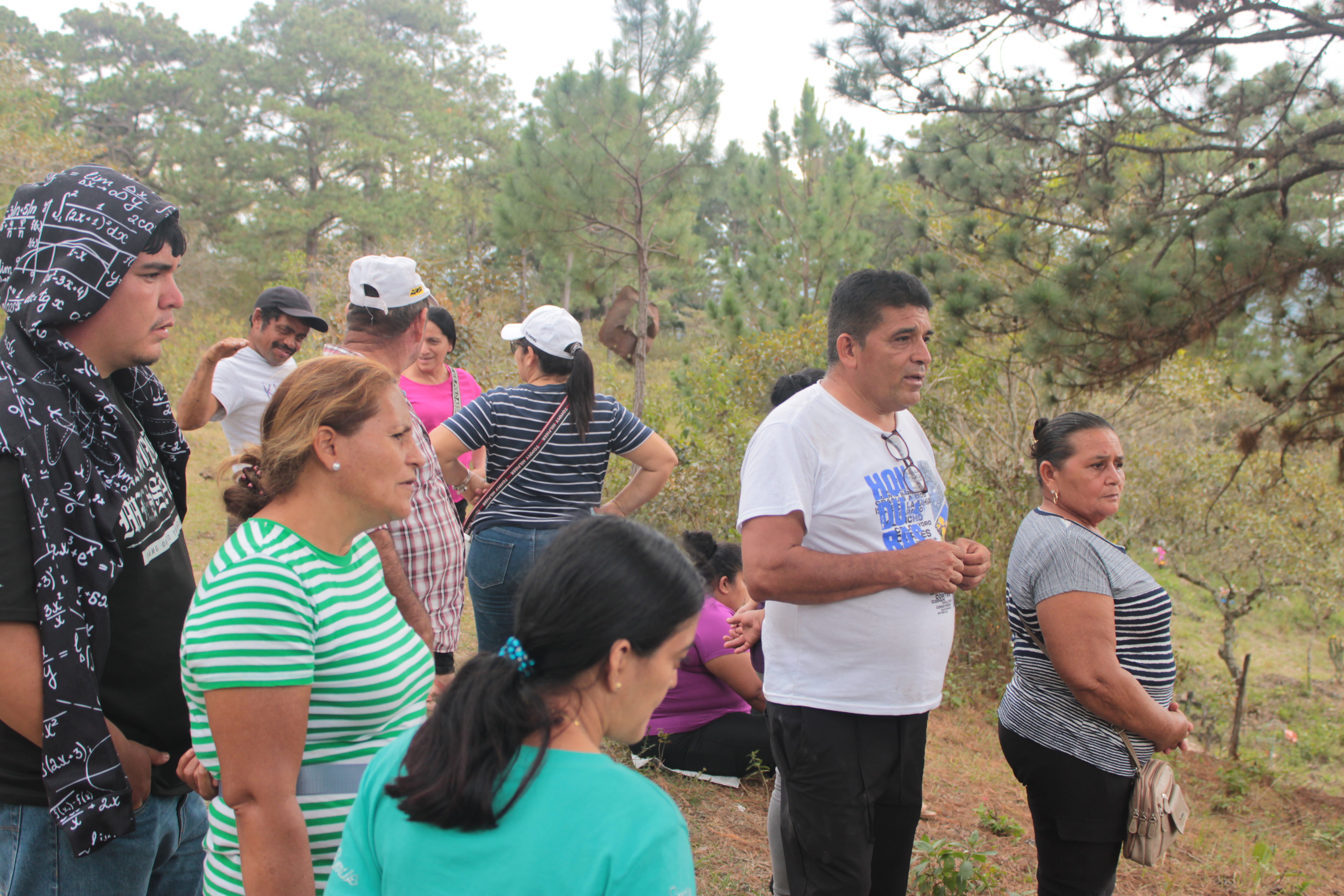
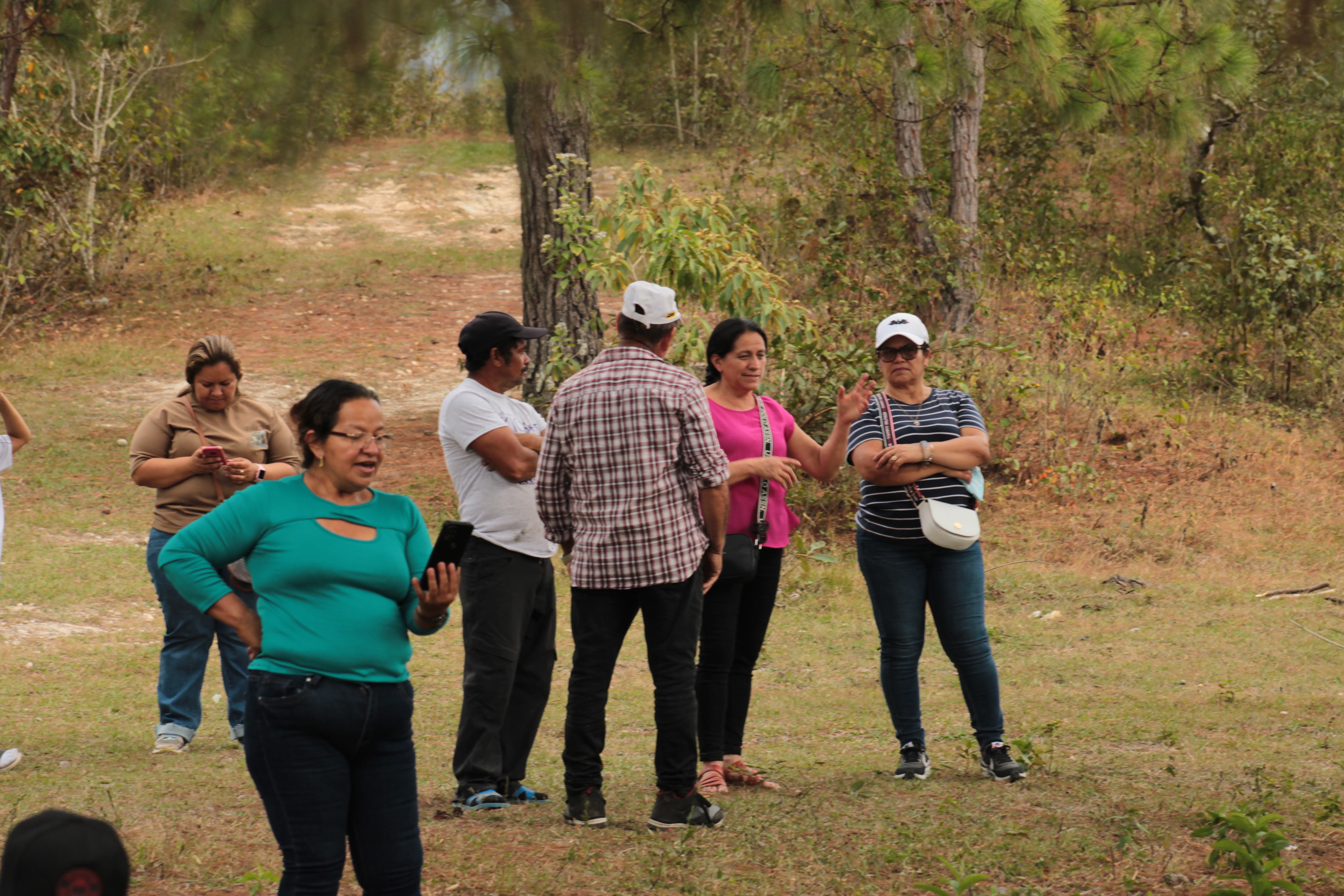
Every second weekend of January, communities from El Salvador—many of them made up of people who lived as refugees—return on pilgrimage to this place. Among those who participate are communities from Chalatenango, such as Guarjila, San Antonio Los Ranchos, and San José de la Montaña, as well as representatives from other departments. As they walk the land where the camps once stood, people remember how they lived and how the solidarity of churches, organizations, and many kind-hearted individuals made survival possible. The shared testimonies help new generations learn this history as a living experience of their communities.
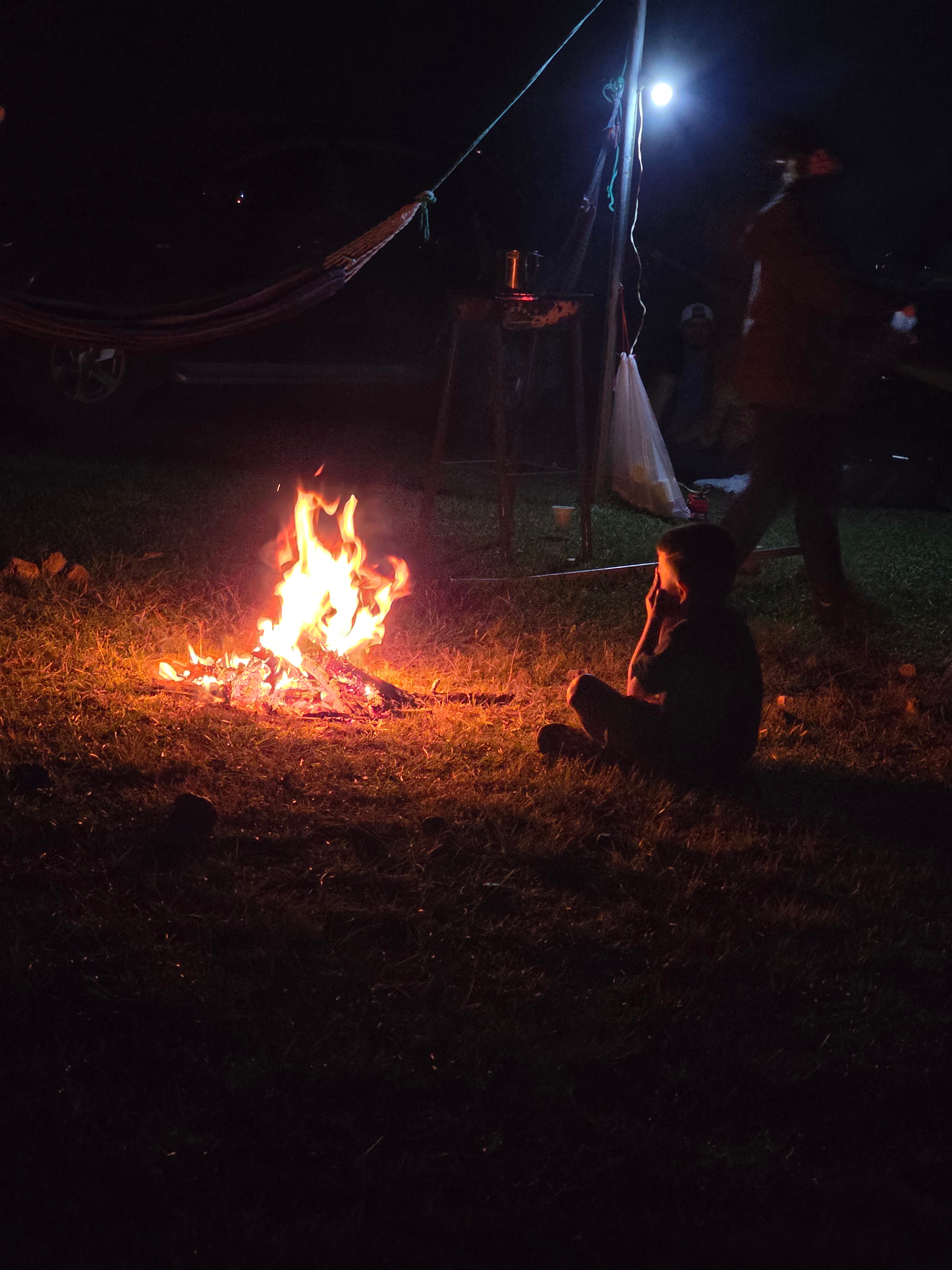
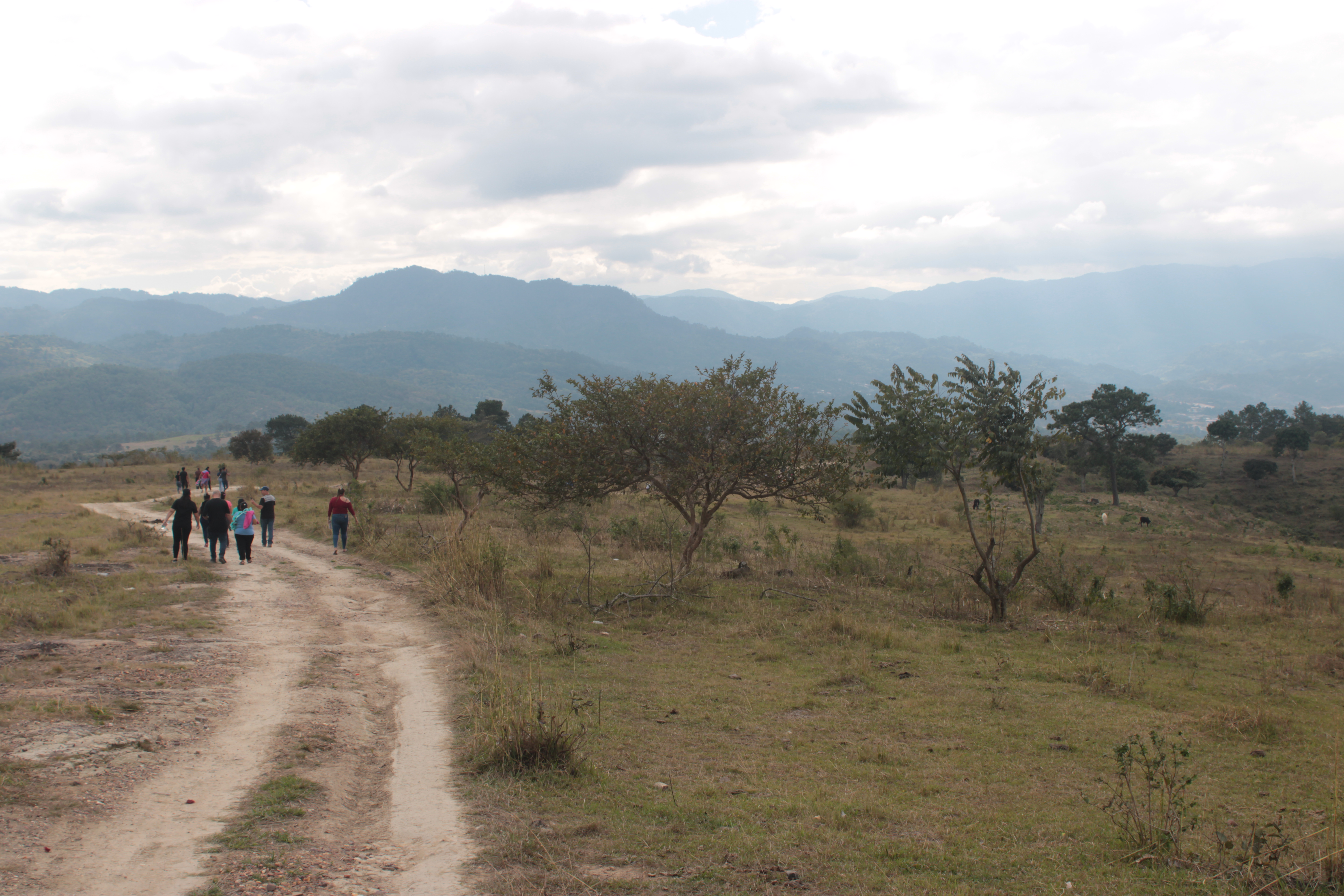
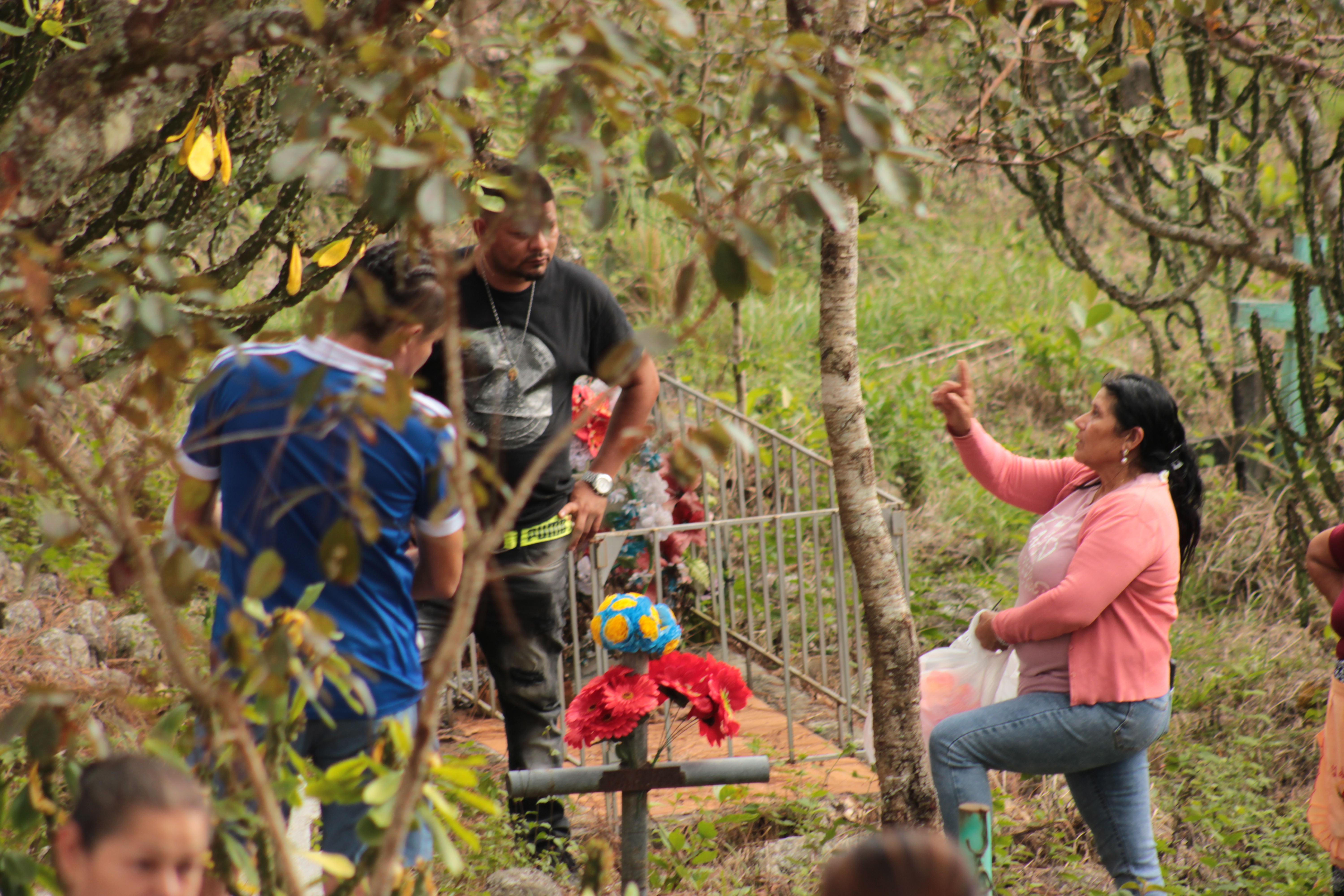
This year, once again as Sister Churches, we had the privilege of accompanying the communities in this very meaningful gathering. Families camped, shared meals prepared together, and toured the old encampments, guided by people who had lived there and who now share their memories. The tour culminates at the cemetery, where many families honor their loved ones with flowers and moments of prayer.
The activities continue with religious celebrations, cultural events, and gatherings that strengthen the bonds between communities and between the Salvadoran and Honduran people. All of this makes the pilgrimage a time to remember, give thanks, and celebrate life, memory, and community.
For many participants, returning to Mesa Grande is a renewal of their commitment to justice, peace, and human dignity. It is a reminder that no one walks alone and that faith, solidarity, and companionship have been, and continue to be, a source of hope. Because remembering together not only honors the past; it also strengthens the present and sows hope for future generations.
Different stages during the trip: The Mass service, the campfires and the walking through the camp and arrival to the cementery.

Diferentes etapas durante el viaje: La misa, las fogatas y la caminata por el campamento y llegada al cementerio.
Durante el conflicto armado salvadoreño en la década de 1980, miles de personas se vieron obligadas a abandonar sus hogares y buscar refugio en países vecinos. Uno de los lugares que acogió a numerosas familias fue Mesa Grande, en Honduras, donde los campamentos de refugiados se convirtieron en espacios de organización, solidaridad y esperanza en medio de la adversidad.
Cada segundo fin de semana de enero, comunidades de El Salvador —muchas de ellas formadas por personas que vivieron como refugiadas— regresan en peregrinación a este lugar. Entre quienes participan hay comunidades de Chalatenango, como Guarjila, San Antonio Los Ranchos y San José de la Montaña, así como representantes de otros departamentos. Al recorrer el terreno donde estuvieron los campamentos, las personas recuerdan cómo vivieron y cómo la solidaridad de iglesias, organizaciones y muchas personas de buen corazón hizo posible sobrevivir. Los testimonios compartidos ayudan a que las nuevas generaciones conozcan esta historia como una experiencia viva de sus comunidades.
Este año, nuevamente como Iglesias Hermanas, tuvimos el privilegio de acompañar a las comunidades en este encuentro tan significativo. Las familias acamparon, compartieron los alimentos preparados en comunidad y recorrieron los antiguos campamentos, guiados por personas que vivieron allí y que hoy transmiten sus recuerdos. El recorrido culmina en el cementerio, donde muchas familias honran a sus seres queridos con flores y momentos de oración.
Las actividades continúan con celebraciones religiosas, actos culturales y espacios de convivencia que fortalecen los lazos entre comunidades y entre los pueblos salvadoreño y hondureño. Todo ello convierte la peregrinación en un tiempo para recordar, agradecer y celebrar la vida, la memoria y la comunidad.
Para muchos participantes, volver a Mesa Grande es renovar el compromiso con la justicia, la paz y la dignidad humana. Es recordar que nadie camina solo y que la fe, la solidaridad y el acompañamiento han sido, y siguen siendo, una fuente de esperanza. Porque recordar juntos no solo honra el pasado; también fortalece el presente y siembra esperanza para las generaciones que vienen.
The year 2025 has been a very special one for delegations. As a team, we have witnessed how, little by little, we’ve been recovering from the challenges brought by 2020. Although there is still work ahead, we joyfully celebrate the progress and the meaningful encounters that have taken place this year.
While current conditions continue to limit delegations from the South traveling North, we have made the most of the visits to Central America. This year, we welcomed four delegations—two that visited El Salvador and two that visited Guatemala.
El Salvador
In March, Wallingford United Methodist Church visited its sister community of Guarjila, in Chalatenango, to celebrate the 25th anniversary of their partnership. The delegation, held from March 22 to 31, brought together 12 participants, including some who had been part of the very first visit in 2001.
During those days, the entire community joined in a series of memorable celebrations, including a Mass in commemoration of the martyrdom of Saint Romero on March 24, and a joyful farewell party in the town square, complete with live music, dancing, and cake for everyone.
Later, from late May to early June, the Decorah UCC and UMC churches from Iowa carried out their first joint delegation to their sister community of San José Potrerillos, also in Chalatenango. This visit was particularly meaningful, with seven delegates from the North participating—some who have been involved since the beginning of the relationship, alongside new members of the congregation. The local community came together enthusiastically to welcome them. Some of the most memorable activities included cooking afternoons, visits to the Sumpul River, and a trip to the picturesque town of Suchitoto, among many other moments of fellowship and joy.
Guatemala
After nearly eight years without receiving a delegation from the North, the community of Chichipate rejoiced in reuniting with their friends from St. Thomas, Indiana, this March. Nine visitors, including three pastors, arrived with hearts open to listening, learning, and sharing with local families in an atmosphere of faith and friendship. From the moment they arrived, they were received with great warmth and gratitude. The visit included a Catholic Mass and a Mayan ceremony, blending both Catholic and ancestral traditions in a shared spirit of thanksgiving. Delegates also learned about sustainable farming practices, visited the town of El Estor, and met with local organizations dedicated to environmental protection. During their stay, they spent time with students, teachers, and health center staff, hearing their stories, challenges, and hopes. Meetings with church leaders, women artisans, and the local Sister Parish committee deepened the bonds of friendship and collaboration between both communities. The visit was filled with joy, prayer, and dialogue—renewing the ties of unity and hope. Both Chichipate and St. Thomas expressed their heartfelt gratitude for this reunion, which rekindled their shared faith and strengthened their vision of walking together toward a fraternal future.
Fryeburg Academy
Finally, the Fryeburg Academy delegation, made up of students and teachers, offered a truly unique experience. Unlike the other delegations, Fryeburg Academy does not have a permanent partnership within the Sister Parish network. However, for years they have participated with youth groups visiting Central America, accompanied by Sister Churches, to learn and grow in solidarity.
The following testimony, shared by Greg Huang-Dale, captures the impact of their visit:
From May 25 to June 6, 2025, a group of students and teachers from Fryeburg Academy in Maine experienced Guatemala from the Sister Parish perspective. Our eyes were opened to the complex lives of peers living on the streets of Guatemala City and supporting each other in community at Mojoca. For many of us, that was an early turning point in our journey, when we began to see the impact of privilege and the power of shared hope for our future together.
Later in our journey, we passed through the Mayan cultural center Sotzil and the ruins of the ancient Mayan civilization. Our visit to the highland village of Santa Anita La Unión also left a lasting impression. In Santa Anita, we witnessed Guatemalans thriving with strength and resilience in the face of historical injustice during the civil war. We heard stories of their resistance, their entrepreneurial work in coffee and macadamia plantations, and felt their warm hospitality through shared meals and games.
At the end of a full week, students reflected deeply on the impact of serving others — a life lesson they will carry with them forever.
During our trip to Guatemala, one moment really stuck with me. It was when we helped paint the coffee house for Marconie. We didn’t do a lot of painting, just a small section of the wall, but Marconi was so thankful that we helped at all. I could see how much it meant to him—he smiled the entire time, and his eyes lit up every time he looked at what we had done. It made me realize how something as simple as painting could be so meaningful and helpful to someone. –
– Zonder
You can view the photo albums at the following links:
El año 2025 ha sido muy especial en cuanto a delegaciones. Como equipo, hemos podido ver cómo poco a poco nos hemos ido recuperando desde los desafíos del 2020. Aunque aún tenemos camino por recorrer, celebramos con alegría los avances y los encuentros vividos este año.
A pesar de que las condiciones actuales continúan limitando las delegaciones del Sur hacia el Norte, hemos aprovechado al máximo las visitas hacia Centroamérica. ¡Este año recibimos cuatro delegaciones! Dos de ellas visitaron El Salvador y dos más, Guatemala.
El Salvador
En marzo, Wallingford United Methodist Church visitó a su comunidad hermana de Guarjila, en Chalatenango, para celebrar su 25 aniversario de hermanamiento. La delegación, realizada del 22 al 31 de marzo, reunió a 12 personas, entre ellas algunos participantes de la primera visita en 2001.
Durante esos días, la comunidad se unió en una serie de celebraciones memorables, incluyendo la misa en conmemoración del martirio de San Romero, el 24 de marzo, y una alegre fiesta de despedida en la plaza central, donde hubo música en vivo, baile y pastel para todos los asistentes, celebrando así los 25 años de hermanamiento, amor y solidaridad.
A finales de mayo e inicios de junio, las iglesias Decorah UCC y UMC, de Iowa, realizaron su primera delegación conjunta a su comunidad hermana de San José Potrerillos, también en Chalatenango. Esta visita fue muy especial, con la participación de siete delegados del Norte, algunos de ellos presentes desde el inicio de la relación, junto a nuevos miembros de la congregación.
La comunidad local se unió para recibirlos con entusiasmo. Entre las actividades más recordadas estuvieron las tardes de cocina, las visitas al río Sumpul y al pintoresco pueblo de Suchitoto, entre muchas otras experiencias de convivencia.
Guatemala
Después de casi ocho años sin recibir una delegación del Norte, la comunidad de Chichipate vivió la alegría del reencuentro con sus amigos de St. Thomas, Indiana, en marzo de este año. Nueve visitantes, entre ellos tres pastores, llegaron con el deseo de escuchar, aprender y compartir con las familias locales, en un ambiente de fe y fraternidad.
Desde su llegada, fueron acogidos con gran calidez y gratitud. La visita incluyó una Santa Misa y una ceremonia maya, uniendo tradiciones católicas y ancestrales en un mismo espíritu de agradecimiento. Los delegados conocieron prácticas de agricultura sostenible, visitaron el municipio de El Estor y organizaciones dedicadas a la protección del medio ambiente.
Durante su estadía, compartieron con estudiantes, maestros y personal del centro de salud, escuchando sus experiencias y desafíos. Los encuentros con líderes de iglesia, mujeres artesanas y el comité de hermanamiento fortalecieron la amistad y el compromiso de colaboración entre ambas comunidades. Fue una visita llena de alegría, oración y diálogo, que renovó los lazos de unidad y esperanza. Tanto Chichipate como St. Thomas expresaron su profunda gratitud por este reencuentro, que reavivó la fe compartida y la visión de seguir caminando juntos hacia un futuro fraternal.
Fryeburg Academy
Finalmente, la delegación de Fryeburg Academy, conformada por un grupo de estudiantes y maestros, ofreció una experiencia única. A diferencia de las demás, Fryeburg Academy no tiene un hermanamiento permanente dentro de la familia de Iglesias Hermanas, pero durante años ha participado con grupos de jóvenes que visitan Centroamérica, acompañados por Iglesias Hermanas, para aprender y crecer en solidaridad.
El siguiente testimonio, compartido por Greg Huang-Dale, resume el impacto de su visita:
Del 25 de mayo al 6 de junio de 2025, un grupo de estudiantes y maestros de Fryeburg Academy, en Maine, vivieron la experiencia de Guatemala desde la perspectiva de Sister Parish. Nuestros ojos se abrieron ante la complejidad de las vidas de nuestros compañeros que viven en las calles de la Ciudad de Guatemala y que se apoyan mutuamente en comunidad en Mojoca. Para muchos de nosotros, ese fue un punto de inflexión en nuestro camino, cuando comenzamos a reconocer el impacto del privilegio y el poder de una esperanza compartida por nuestro futuro común.
Más adelante en nuestro recorrido, visitamos el centro cultural maya Sotzil y las ruinas de la antigua civilización maya. Nuestra visita al pueblo montañoso de Santa Anita La Unión también dejó una profunda huella. En Santa Anita conocimos y experimentamos la fortaleza y resiliencia del pueblo guatemalteco frente a la injusticia histórica vivida durante la guerra civil. Escuchamos historias de su resistencia durante el conflicto, sus esfuerzos emprendedores en las plantaciones de café y macadamia, y sentimos su cálida hospitalidad a través de las comidas y los juegos compartidos.
Al finalizar una semana llena de actividades, los estudiantes reflexionaron sobre el profundo impacto de servir a los demás —una lección de vida que llevarán siempre consigo.
Durante nuestro viaje a Guatemala, hubo un momento que me impactó profundamente. Fue cuando ayudamos a pintar la cafetería de Marconie. No pintamos mucho, solo una pequeña sección de la pared, pero Marconie estaba muy agradecido de nuestra ayuda. Pude ver cuánto significaba para él: sonrió todo el tiempo y sus ojos se iluminaban cada vez que veía lo que habíamos hecho. Me hizo darme cuenta de cómo algo tan simple como pintar podía ser tan significativo y útil para alguien.–
-Zonder
Puedes ver los álbumes de fotos en los siguientes enlaces:
From August 28 to 31, 2025, the community of Las Margaritas 2, Ixcán, Quiché, hosted the annual meeting of the Board of Directors and representatives of Sister Parish. For four days, members of the Guatemala Board of Directors, community representatives, and church committees shared experiences, made important decisions, and celebrated the cultural richness of the region.
The meeting brought together representatives who traveled up to 10 hours by bus to participate. Their presence reflected the commitment to collective work and the importance of walking together, from north to south, in building a more united and supportive community.
A hospitable welcome
The Las Margaritas 2 Sister Parish Committee and Scholarship Committee dedicated themselves to welcoming the visitors. In addition, the scholarship students organized a cultural evening, which became a space for meeting and celebrating local identity. Music, dance, and traditions intertwined to welcome the delegates and share community life with them.
Key Progress and Decisions
The Board of Directors sessions were fruitful and characterized by openness and shared reflection. Key agreements included:
Updating the Board of Directors’ bylaws.
Defining the 2026 delegations.
Progress in standardizing scholarship programs.
Planning future Board of Directors meetings.
Organization of the next Southern Gathering in Guatemala.
These points will mark the work of Sister Parish in the coming years and reinforce their vision of mutual accompaniment and service.
Encounters with nature and solidarity
The program also included opportunities for socializing. Participants visited Laguna Lachuá National Park, where they enjoyed the natural beauty and renew their strength in the midst of creation. Afterward, a solidarity visit was made to the Virginia community, twinned with East Orrington, where the local committees welcomed the members of the Board of Directors with joy and gratitude.
A Shared Journey
The annual meeting at Las Margaritas 2 not only strengthened the organizational structures of the Sister Parish, but also renewed the spirit of fraternity and commitment to the communities. Amid reflection, culture, and nature, this gathering reminded us that the mission of walking together remains alive and looks forward with hope to the future.
Laguna LachuaCultural Event / Evento CulturalMeeting at the church / Reunión en la iglesiaSolidarity visit of the Board of Directors to Virginia, Ixcan Quiche / Visita solidaria de la Junta Directiva a Virginia, Ixcan Quiche
Del 28 al 31 de agosto de 2025, la comunidad de Las Margaritas 2, Ixcán, Quiché, fue la sede de la reunión anual de la Junta Directiva y representantes de Iglesias Hermanas. Durante cuatro días miembros de la Junta Directiva, representantes de comunidades y comités de hermanamientos compartieron experiencias, tomaron decisiones importantes y celebraron la riqueza cultural de la región.
El encuentro reunió a representantes que viajaron hasta 10 horas en bus para participar. La presencia reflejó el compromiso con el trabajo colectivo y la importancia de caminar juntos, desde el norte hasta el sur, en la construcción de una comunidad más unida y solidaria.
Un recibimiento lleno de hospitalidad
El Comité de Hermanamiento y el Comité de Becas de Las Margaritas 2 asumieron con dedicación la tarea de recibir a los visitantes. Además, los estudiantes becados organizaron una noche cultural, que se convirtió en un espacio de encuentro y celebración de la identidad local. Música, danza y tradiciones se entrelazaron para dar la bienvenida a los delegados y compartir con ellos la vida comunitaria.
Avances y decisiones clave
Las sesiones de la Junta Directiva fueron fructíferas y se caracterizaron por la apertura y la reflexión conjunta. Entre los principales acuerdos se destacan:
Actualización del estatuto de la Junta Directiva.
Definición de las delegaciones 2026.
Avances en la estandarización de los programas de becas.
Planificación de futuras reuniones de la Junta Directiva.
Organización del próximo Encuentro Sur en Guatemala.
Estos puntos marcarán la ruta de trabajo de Iglesias Hermanas en los próximos años y refuerzan su visión de acompañamiento y servicio mutuo.
Encuentros con la naturaleza y la solidaridad
El programa también incluyó espacios para la convivencia. Los participantes visitaron el Parque Nacional Laguna Lachuá, donde disfrutaron de la belleza natural del lugar y renovaron fuerzas en medio de la creación. Posteriormente, se realizó una visita solidaria a la comunidad de Virginia, hermanada con East Orrington, donde los comités locales recibieron con alegría y agradecimiento a los miembros de la Junta Directiva.
Un camino compartido
La reunión anual en Las Margaritas 2 no solo fortaleció las estructuras organizativas de Iglesias Hermanas, sino que también renovó el espíritu de fraternidad y compromiso con las comunidades. Entre la reflexión, la cultura y la naturaleza, este encuentro recordó que la misión de caminar juntos sigue viva y se proyecta con esperanza hacia el futuro
We had the blessing to participate in the Southern Encounter, where representatives from every community in Guatemala and El Salvador traveled to Chichicastenango (Guatemala) and there, together with the group from the Open Delegation, we spent the weekend, learning from each other, laughing, singing and sharing.
The Southern Encounter, which includes representatives from every Sister Parish community in Guatemala and El Salvador, traveled to Chichicastenango (Guatemala) for their annual gathering. There, the group shares about their communities, plan activities together for the following years, each country participates on the cultural interchange, either with music, dancing or any artistic expression that represents their country; there are a couple of speakers who’ll talk about a topic that everyone is interested on, like this year, where Miriam Lopez from El Salvador, share about Human Rights and violence against women and what the local organizations are doing about it. The Open Delegation joined them, and spent the weekend together. It was a great time getting to know everyone, learning from each other, laughing, singing and sharing about our communities, like Oscar from Tierra Nueva 2, who shared that they received recently a delegation from Saint Joan of Arc, and they celebrated their 30th anniversary of relationship!
This was a great time for everyone to know each other, share about their communities and learn from the others about what it’s done between other relationships.
After the Southern Encounter, the group from the Open Delegation traveled to San Antonio Cunen. The three delegates belong to Danville Congregational Church (California) and had the blessing to visit their sister community (San Antonio Cunen) for a couple of days.
With the community, we traveled to Rio San Juan to spend a wonderful day together. There we started with a bible reflection, where everyone participated, they we had lunch together and spent the rest of the afternoon enjoying the views, the river, and chatting. At the community we visited families and prayed with them, shared meals together and participated at church. We had the chance to broadcast the service and had a simultaneous participation of the group back in California, there was music, praying and a bible reflection, it was amazing to see all the participation from each community, and especially the young ones who are now active in the relationship. This opportunity to broadcast the call was memorable, as it is the very first time both communities could do it together.
This experience encouraged the delegates, who returned home and shared their experiences to the congregation and now they are starting to plan a Delegation South to North!
Pictures and delegate reflections from St Joan of Arc’s visit to TN2 in October 2024.
by Luke Nohner
Before being embraced by the families of TNII, I didn’t fully understand what it means to be human.
I’m struggling to apply language to what I’ve experienced here in Guatemala; and even now as I type, these words seem ornamental, saccharine almost, because this experience exists at such a fundamental depth. No language can truly dictate this vividly human experience. But I can try.
The shared existence that is the “Sister Parish Delegation,” is one of eating, laughing, dancing, living, loving, crying.
It’s strangers welcoming you into their home of corrugated aluminum and cinder blocks, making you meals their mother taught them to make, giving you their bed, all despite them not having running water for four days.
It’s twenty children under 10 years old who refuse to let the fact that you don’t speak Spanish stop them from making you their best friend.
It’s sitting next to your host father, phones in hand, scrolling through your photos — armed with the words for friends, son/daughter, husband/wife, mother/father — only to realize that his photo album is nothing but friends and family, while you have to scroll and scroll to find a fraction of pictures of the people important to you.
It’s the realization our society may deem the people of TNII economically impoverished, but their connection with each other and the things they love is so rich, that your life compared seems colorless.
The pictures shared attempt to portray this, the stories shared barely scratch the surface. The only way to understand this experience is being here. And by being here, I have been introduced to humanity, and what it means to love, on a level I once could not comprehend.
Thoughts on Solidarity:
Solidarity — prior to this trip — was a word I gave little thought to. I would not have been able to give a real definition, the word invoking the image of a raised fist, but nothing more. Though, I have come to understand Solidarity as a vital tool required in the building of a world comprising equality, justice, and peace.
Solidarity is not dropping food off to your neighbor in need; it is knocking on the door and sharing a meal together; and around that table, amidst the laughter, conversations of weather, and discussion of deep and dark struggles, discovering an agreement of feelings, from there working towards mutual support of each other.
It is the recognition that your own idiosyncrasies are created by your personal experiences and cultural background; and that the solution to the problems of the world we so seek may lie outside of those idiosyncrasies.
Solidarity requires the analysis of one’s own thoughts and behaviors, and accepting that they may not always be helpful, despite intentions. Such as, to impose Western/American values. We may perceive a strong house with a waterproof roof to be vital for a child. Though sit down with a family living in a one-room home where the rain comes in, listening for what actions could lead to the betterment of their situation, and you may learn that support in the development of community based programs would protect that child tenfold what a new gifted home could.
Pictures and delegate reflections from St Joan of Arc’s visit to Tierra Nueva 2 in October 2024.
by Nancy Wiens
My story with Sister Parish began 20 years ago when I met and married my husband Rick. He was already actively involved with Sister Parish and had been on SJA’s second-ever delegation to Tierra Nueva Dos (TN2) in 1996. He invited me into this Sister Parish relationship; he said “come and see”…and I did. Our first delegation together was in 2008 and it started me on a journey including multiple trips to Guatemala as well as a six-year term on the board of directors of the national Sister Parish organization. I like to say that I married into Sister Parish!
I’ve been on several delegations and I liken my Sister Parish journey to peeling the layers of an onion. The first layer is simply discovering that delegation travel is a unique way to experience another culture. Living with families and being immersed in their community is a great way to get “under the skin” of a country and a people.
And then I discovered how rich it is to travel in delegation. Delegates to our Sister Parish go through months of orientation and preparation together. When we are in Guatemala, Sister Parish staff and members of TNII are with us in the community and as we travel around the country. We gathered every day to reflect on our experiences and our faith, and those discussions were a diverse tapestry of ideas and opinions.
And I’m continuing to peel layers to reach the core of this experience. We go on delegation to learn, to grow together, to make connections and deepen relationships, to be inspired to take action toward a better world. The love we receive when we arrive is quickly apparent to everyone, but it’s even richer to share that love with people we’ve known for years. As fellow delegate Marty said: “Our project on this delegation is to build bigger hearts”.
This delegation felt momentous because we’re celebrating 30 years of relationship, or ‘hermanamiento’ in Spanish. In 1994 our two communities came together in tumultuous times — across different cultures, languages, economic status and thousands of miles — to forge a relationship in faith and solidarity that continues to grow and nurture us. To celebrate, the community of TN2 threw a big fiesta with a marimba band, dancing, a delicious meal of pepián and cake, and a piñata for the kids. We heard from people who had been instrumental in the beginning of the relationship. One of the early members reminisced that in the beginning she considered getting everyone rings, like wedding rings, to symbolize their commitment to this newly formed relationship.
I like to think of this relationship as a river that flows on and on. We’re on the river, our boats bobbing along with the current. Some people are sliding into the river now, for the first time. Others have put their boats on the river before us; they’re far ahead and out of sight. This 30-year hermanamiento has such weight and presence because we stand on the shoulders of those who went before us. They left a remarkable legacy.
Back home in Minnesota, during our final reflection as delegates, I was challenged to write a letter to myself stating what I had learned during my time in Guatemala and how I hope to build on those learnings. I’ll open that letter in a year’s time to see how I did. Here’s an excerpt of what I wrote to my future self:
In July 2024, members of Downers Grove First United Methodist Church visited their sister community at UPAVIM in Guatemala. We share some pictures from the delegation and some reflections from the women of UPAVIM.
I am thankful to God and to our sisters that the delegation came to visit. They encourage us to keep working with our community. And we are so grateful to the church for helping our scholarship students. – Conchita
I am so glad the sisters came and stayed in the UPAVIM building. I had the chance to come and visit with them. – Francis
I am very grateful to God because in this delegation I was able to spend more time with the sisters. It was a blessing. – Anita.
Thanks to Our Lord the sisters came and I loved all the activities. – Estelita
I am thankful to God. It was a beautiful time. We ate, we played, we cried, we prayed, we laughed. – Angela
En julio de 2024, miembros de la Primera Iglesia Metodista Unida de Downers Grove visitaron su comunidad hermana en UPAVIM en Guatemala. Compartimos algunas fotos de la delegación y algunas reflexiones de las mujeres de UPAVIM.
Estoy agradecida con Dios y con nuestras hermanas porque la delegación vino a visitarnos. Nos animan a seguir trabajando con nuestra comunidad. Y estamos muy agradecidos con la iglesia por ayudar a nuestros estudiantes becados. – Conchita
Estoy tan contenta de que las hermanas vinieran y se quedaran en el edificio de UPAVIM. Tuve la oportunidad de venir y compartir con ellas. – Francis
Estoy muy agradecida con Dios porque en esta delegación pude pasar más tiempo con las hermanas. Fue una bendición. – Anita.
Gracias a Nuestro Señor vinieron las hermanas y me encantaron todas las actividades. – Estelita
Estoy agradecida con Dios. Fue un tiempo hermoso. Comimos, jugamos, lloramos, oramos, reímos. – Angela
Patricia Cespedes-Schueller, a member of the Sister Parish Board of Directors, gave the following talk during a Sister Parish-themed service at Wallingford United Methodist Church in Seattle, Washington. The Sister Parish board rotates the location of meetings to visit current and potential Sister Parish churches. Contact us if you would like to host our board for a meeting. It is a great opportunity to gather and share Sister Parish with more people.
Buenos días, Good Morning, my name is Patricia Cespedes-Schueller I am a member of a Catholic community called Saint Joan of Arc (SJA) located in Minnesota. SJA has been walking in solidarity with Tierra Nueva II in Guatemala for more than 26 years and our relationship gets stronger every year. In preparation for this talk, there was one reading in particular that called my attention: Acts 4:32. “Now, all the believers were one in heart and soul. No one claimed that any of their possessions was their own, but they shared everything they had.”
The acts of the apostles tell us about the profound spirit of community within the early church. In the same way, I feel that our relationship with the community of TN II in Guatemala follows the same spirit. When our two communities encountered each other more than 26 years ago, this profound encounter moved us to open not only our hearts, but also our lives and share our struggles together and understand injustices and possibilities.
My daughter and I traveled to Guatemala to visit TN II in August of 2018. We had the honor to stay with a family which consisted of a mom, a dad and two daughters. We slept in the best bed they had in the house and sat in the best places at the table when sharing a meal. They explained their identity as a mixed family, Ladina (of mixed Indigenous and European descent) and Garifuna (of Afro-Caribbean descent), with pride in their heritage. The dad was not in town when we were staying with his family due to the lack of jobs in the area. He needed to travel far away to find jobs. Sometimes he could not find work for long periods of time. The mom had a small room where she sold bread that she picked up from the bakery at 4:30 am. In addition, she sold some homemade “empanadas” which are small pies made by wrapping a pastry around cheese in this case. She sold these things to provide for her daughters. The older daughter was studying to be a teacher, but at the same time, she also needed to work to help the family, and her commute was long, and her days were very tiring. The younger daughter was still in high school. Both daughters were very dedicated students. A year later, I learned that the dad’s health had worsened, and he could not work any longer, and the older daughter stopped studying to support her family.
This family shared their lives with us. We talked for hours telling each other funny and sad family stories. We sang together. We danced. I helped the mom to cook empanadas at 4am in the morning one day. My daughter dressed up in some of the daughters’ dresses just for fun. The three young women played a game called Dos (a version of the game Uno in USA). We took many pictures. We shared so many meals together even when we were not hungry at all. One day I mentioned that I liked a fruit called lychee and the next day I had many waiting for me at the house. We talked with the dad on the phone because they wanted to share that with us. We were a family united in one heart and soul.
This is what sister parish offered to my daughter and I, a real encounter with real people, the gift to struggle for justice together with our brothers and sisters in TN II. The understanding that our families had many similarities, but also the awareness that our geographic locations either limited or offered more opportunities to us, and the realization that the injustices were keeping us from fully answering our call to be a community who shared everything together, to fully be a family.
After my visit to TN II in Guatemala I joined the Sister Parish community at Saint Joan of Arc and later I joined the board of Sister Parish Inc. The Acts of the Apostles says, “Now, all the believers were one in heart and soul. No one claimed that any of their possessions was their own, but they shared everything they had.” Sister Parish offered us the opportunity to share our lives, to be One with our brothers and sisters in TN II, Guatemala and that is a gift that we accepted. I know many of you are sharing your lives with Guatemalans and Salvadorans, but there is always more space for more to join us in this journey.
Buenos días, mi nombre es Patricia Céspedes-Schueller. Soy miembro de la Comunidad Católica de Santa Juana de Arco (SJA) en Minnesota. SJA ha estado caminando en solidaridad con Tierra Nueva II en Guatemala por más de 26 años y nuestro hermanamiento se fortalece cada año. En preparación para esta charla, una lectura en particular me llamó la atención: Hechos 4:32. “La multitud de los que creyeron era de un corazón y un alma. Ninguno decía ser suyo lo que poseía, sino que todas las cosas eran de propiedad común.”
Los Hechos de los apóstoles nos hablan del profundo espíritu de comunidad dentro de la iglesia en ese entonces. De la misma manera, siento que nuestro hermanamiento con la comunidad de TN II en Guatemala sigue en el mismo espíritu.
Cuando nuestras dos comunidades se encontraron hace más de 26 años, este profundo encuentro nos movió a abrir no solo nuestros corazones, sino también nuestras vidas y compartir nuestras luchas, así como comprender las injusticias y las posibilidades.
Mi hija y yo viajamos a Guatemala para visitar TN II en agosto de 2018. Tuvimos el honor de quedarnos con una familia: una mamá, un papá y dos hijas. Dormimos en la mejor cama que tenían en la casa y nos sentamos en los mejores lugares de la mesa cuando compartíamos una comida. Nos explicaron su identidad como una familia mixta, Ladina (de ascendencia mixta indígena y europea) y Garífuna (de ascendencia afrocaribeña), con orgullo en su herencia. El papá no estaba en la ciudad cuando nos quedamos con su familia debido a la falta de empleos en el área. Necesitaba viajar lejos para encontrar trabajo. A veces no podía encontrar trabajo durante largos períodos de tiempo. La mamá tenía una pequeña habitación donde vendía pan que recogía de la panadería a las 4:30 am. Además, vendía algunas “empanadas” caseras que son pequeñas tartas hechas envolviendo una masa alrededor del queso en este caso. Ella vendía la comida para poder mantener a sus hijas. La hija mayor estaba estudiando para ser maestra, pero al mismo tiempo, también necesitaba trabajar para ayudar a la familia y su viaje era largo y sus días eran muy largos también. La hija menor todavía estaba en la escuela secundaria. Ambas hijas eran estudiantes muy dedicadas. Un año después, me enteré de que la salud del padre había empeorado y ya no podía trabajar, y la hija mayor dejó de estudiar para ayudar a su familia.
Esta familia compartió sus vidas con nosotros. Hablamos durante horas contándonos historias familiares divertidas y tristes. Cantamos juntos. Bailamos. Un día ayudé a la mamá a cocinar empanadas a las 4am de la mañana. Mi hija se vistió con algunos de los vestidos de las hijas solo por diversión. Las tres jóvenes jugaron el juego de mesa Dos (una versión del juego Uno en EE. UU.). Tomamos muchas fotos. Compartimos muchas comidas juntas incluso cuando no teníamos hambre en absoluto. Un día mencioné que me gustaba una fruta llamada lichi y al día siguiente tenía muchas esperándome en la casa. Hablamos con el padre por teléfono porque querían compartir eso con nosotros. Éramos una familia unida en un corazón y un alma.
Esto es lo que el hermanamiento nos ofreció a mi hija y a mí, un encuentro real con personas reales, el regalo de luchar por la paz y la justicia junto con nuestros hermanos y hermanas en TNT II. La comprensión de que nuestras familias tenían muchas similitudes, pero también la conciencia de que nuestras ubicaciones geográficas afectaban nuestras oportunidades de forma injusta.
Después de mi visita a TN II en Guatemala, me uní a la comunidad del hermanamiento en Santa Juana de Arco y más tarde me uní a la junta directiva de Iglesias Hermanas. Los Hechos de los Apóstoles dicen: “La multitud de los que creyeron era de un corazón y un alma. Ninguno decía ser suyo lo que poseía, sino que todas las cosas eran de propiedad común.”. Iglesias Hermanas nos ofreció la oportunidad de compartir nuestras vidas, de ser Uno con nuestros hermanos y hermanas en TN II, Guatemala y ese es un regalo que aceptamos. Sé que muchos de ustedes están compartiendo sus vidas con guatemaltecos y salvadoreños, pero siempre hay más espacio para que más personas se unan a nosotros en este camino.
Jan Heikes, a member of the Sister Parish Board of Directors, gave the following talk during a Sister Parish-themed service at Wallingford United Methodist Church in Seattle, Washington. The Sister Parish board rotates the location of meetings to visit current and potential Sister Parish churches. Contact us if you would like to host our board for a meeting. It is a great opportunity to gather and share Sister Parish with more people.
Hi! I’m Jan Heikes from Decorah, Iowa.
Our affiliation with Sister Parish began in about 1996 after my husband, Lee Zook, took a three-week summer course in Guatemala in preparation for course that he was leading for Luther College students. One of the activities was a visit to UPAVIM where he met Dick Fenske, one of Sister Parish’s founders. He came back very excited, and a core group including our current pastor, Jim Dale, started exploring the idea.
After some time of education and discernment, our first delegation traveled to Nebaj, Guatemala in June of 1999. Over the next three years, we had two additional delegations south, and one north. Although none of us considered ourselves financially well off, the living situations of our hosts showed us the reality of how many people lived…dirt floors, cooking over an open fire, hand dug pits in the corn field for bathrooms. But incredible hospitality in sharing all that they had with us, and with those even less fortunate than they were. And we struggled in how to be in solidarity with these folks given our wealth. We financed scholarships and a chicken raising project. I’m not sure exactly what happened…internal conflicts, politics, the leadership not acting on behalf of the entire Nebaj community…it’s all a little murky. And, staff recommended that the relationship end.
I tell you this because we don’t tend to talk about the things that can go wrong. The experience shook us, and it took a couple of years to regroup. Could we really make the same connection with another community like we did with the people of Nebaj? What would be our role in funding projects? How could we make sure that our relationship was based on our solidarity with each other?
But in 2003, we had our first delegation to Potrerillos, El Salvador with delegations going north (January & November of 2005, 2007, 2011, 2013, and 2017) or south (2006 and 2014) every year until 2017. Maria Van Der Maaten & I have been back as part of open delegations, but COVID, Sister Parish active members growing older, and busy schedules interrupted several “almost” delegations. About 2 years ago, the group expanded to include the Congregational UCC across the street.
I continue to be struck by the importance of relationships built through Sister Parish, relationships that have long-lasting impacts even if the contact is not frequent. We know their stories. We can tell their stories. And this is powerful in a community that continues to have an increasing immigrant population that fill jobs in meat packing plants and on farms that would otherwise go unfilled. One of our delegates was a Decorah police officer who wanted to see what life was like for those people that he was running into on the streets. Now, Warren is a big man who towered over most of our friends in El Salvador. And when the host family found out that he was a policeman from the US, they were terrified. This was not the reaction that this teddy bear of a man had expected.
Personally I’ve had to confront and become aware of prejudices that I didn’t think I had…things like poor people aren’t in touch with the political situation. Boy, was I wrong there!!
But, I think that a piece that my younger son, Sam, wrote on return from his first visit as a 14 year old might say it best….
“Since I have come back from El Salvador, I have changed the way that I look at the world, the U.S., and everyday items that are supposedly necessities in America. Potrerillos, where we stayed as a delegation, was the poorest place I have been in all of my life. But it was remarkably one of the places with the most smiles walking the streets… This joyfulness that surrounded me affected the way I acted, and what I did. So when I came back home, I felt almost sad—that I wasn’t in that environment and that I had so many things around to distract me unlike my time in El Salvador.”
¡Hola! Soy Jan Heikes de Decorah, Iowa.
Nuestra conexción con Iglesias Hermanas comenzó alrededor de 1996 después de que mi esposo, Lee Zook, tomó un curso de verano de tres semanas en Guatemala como preparación para el curso que estaba dirigiendo para los estudiantes de la universidsad Luther College. Una de las actividades fue una visita a UPAVIM donde conoció a Dick Fenske, uno de los fundadores de Iglesias Hermanas. Regresó muy entusiasmado y un grupo en nuestra iglesia que incluía a nuestro pastor en ese entonces, Jim Dale, comenzó a explorar la idea.
Después de un tiempo de educación y discernimiento, nuestra primera delegación viajó a Nebaj, Guatemala en junio de 1999. Durante los siguientes tres años, tuvimos dos delegaciones más al sur y una al norte. Aunque ninguno de nosotros nos considerábamos económicamente ricos, las condiciones de vida de nuestro hermanamiento nos mostraron la realidad de cómo vivía mucha gente. También una hospitalidad increíble al compartir todo lo que tenían con nosotros y con aquellos aún más pobres que ellos. Y luchamos para ser solidarios con la gente dada nuestra riqueza. Financiamos becas y un proyecto de cría de pollos. No estoy seguro de qué sucedió exactamente… conflictos internos, política, unos líderes que tal vez no actuaron en nombre de toda la comunidad de Nebaj… todo es un poco confuso. Y el personal de Iglesias Hermanas recomendó que la relación terminara.
Les cuento esto porque no solemos hablar de las cosas que pueden salir mal. La experiencia nos sacudió y nos llevó un par de años reagruparnos. ¿Podríamos realmente establecer la misma conexión con otra comunidad como la que establecimos con la gente de Nebaj? ¿Cuál sería nuestro papel en la financiación de proyectos? ¿Cómo podríamos asegurarnos de que nuestra relación se basara en nuestra solidaridad mutua?
En 2003, tuvimos nuestra primera delegación a nuestro nuevo hermanamiento en Potrerillos, El Salvador, con delegaciones que iban al norte (en 2005, 2007, 2011, 2013 y 2017) y al sur (2006 y 2014) cada año hasta 2017. Maria Van Der Maaten y yo hemos vuelto como parte de delegaciones abiertas, pero el COVID, el envejecimiento de los miembros activos de Iglesias Hermanas y las agendas ocupadas interrumpieron varias delegaciones “casi”. Hace 2 años, el grupo se expandió para incluir a la la Iglesia Unida Congregacional al otro lado de la calle.
Sigo sorprendiéndome por la importancia de los hermanamientos construidos a través de Iglesias Hermanas, relaciones que tienen impactos duraderos incluso si el contacto no es frecuente. Conocemos la historia. Podemos contar sus historias. Y esto es poderoso en una comunidad que sigue teniendo una población inmigrante en aumento que ocupa puestos de trabajo en plantas empacadoras de carne y en granjas que de otra manera quedarían vacantes. Uno de nuestros delegados era un policía de Decorah que quería ver cómo era la vida de las personas con las que se cruzaba en la calle en Decorah. Warren es un hombre corpulento que superaba en altura a la mayoría de nuestros amigos de El Salvador. Y cuando la familia anfitriona descubrió que era un policía de los Estados Unidos, se aterrorizaron. Esta no era la reacción que este hombre con corazón grande esperaba.
Personalmente, he tenido que enfrentarme y tomar conciencia de prejuicios que no creía tener… cosas como que la gente pobre no está en contacto con la situación política. ¡Vaya, estaba muy equivocada!
Creo que un texto que mi hijo menor, Sam, escribió al regresar de su primera visita a los 14 años lo explica mejor…
“Desde que regresé de El Salvador, he cambiado la forma en que veo el mundo, los Estados Unidos y los artículos cotidianos que supuestamente son necesidades en Estados Unidos. Potrerillos, donde nos quedamos como delegación, fue el lugar más pobre en el que he estado en toda mi vida. Pero, sorprendentemente, era uno de los lugares con más sonrisas al caminar por las calles… Esta alegría que me rodeaba afectó la forma en que actuaba y lo que hacía. Así que cuando regresé a casa, me sentí casi triste, porque no estaba en ese entorno y tenía tantas cosas a mi alrededor que me distraían, a diferencia de mi tiempo en El Salvador.”
Sister Parish, Inc. promotes intercultural and ecumenical understanding by establishing linkages between churches in the United States and faith-based communities in Central America. Our members tell you more in the brief video Introduction to Sister Parish.



























 sisterparishinc