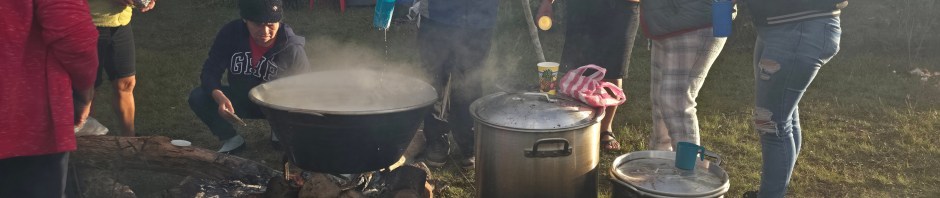
Groups from communities traveling together divide up tasks to cook and make sure everyone eats during the trip.

Grupos de las comunidades que viajan juntos, se distribuyen tareas para cocinar en conjunto y se aseguran que todos coman en el viaje.
[Español Abajo]
During the Salvadoran armed conflict in the 1980s, thousands of people were forced to flee their homes and seek refuge in neighboring countries. One of the places that welcomed numerous families was Mesa Grande, in Honduras, where refugee camps became spaces of organization, solidarity, and hope amidst adversity.
Every second weekend of January, communities from El Salvador—many of them made up of people who lived as refugees—return on pilgrimage to this place. Among those who participate are communities from Chalatenango, such as Guarjila, San Antonio Los Ranchos, and San José de la Montaña, as well as representatives from other departments. As they walk the land where the camps once stood, people remember how they lived and how the solidarity of churches, organizations, and many kind-hearted individuals made survival possible. The shared testimonies help new generations learn this history as a living experience of their communities.
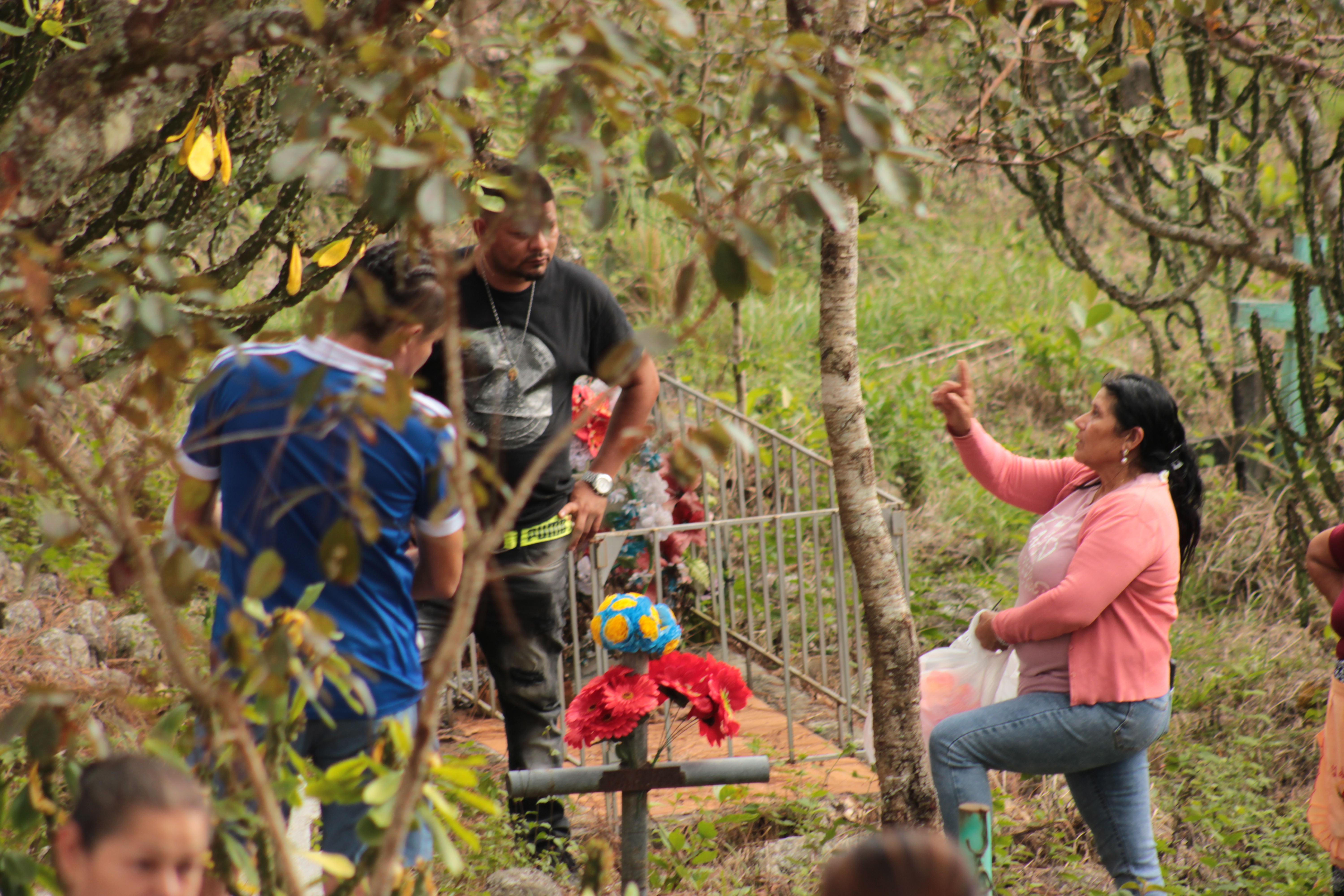
This year, once again as Sister Churches, we had the privilege of accompanying the communities in this very meaningful gathering. Families camped, shared meals prepared together, and toured the old encampments, guided by people who had lived there and who now share their memories. The tour culminates at the cemetery, where many families honor their loved ones with flowers and moments of prayer.
The activities continue with religious celebrations, cultural events, and gatherings that strengthen the bonds between communities and between the Salvadoran and Honduran people. All of this makes the pilgrimage a time to remember, give thanks, and celebrate life, memory, and community.
For many participants, returning to Mesa Grande is a renewal of their commitment to justice, peace, and human dignity. It is a reminder that no one walks alone and that faith, solidarity, and companionship have been, and continue to be, a source of hope. Because remembering together not only honors the past; it also strengthens the present and sows hope for future generations.
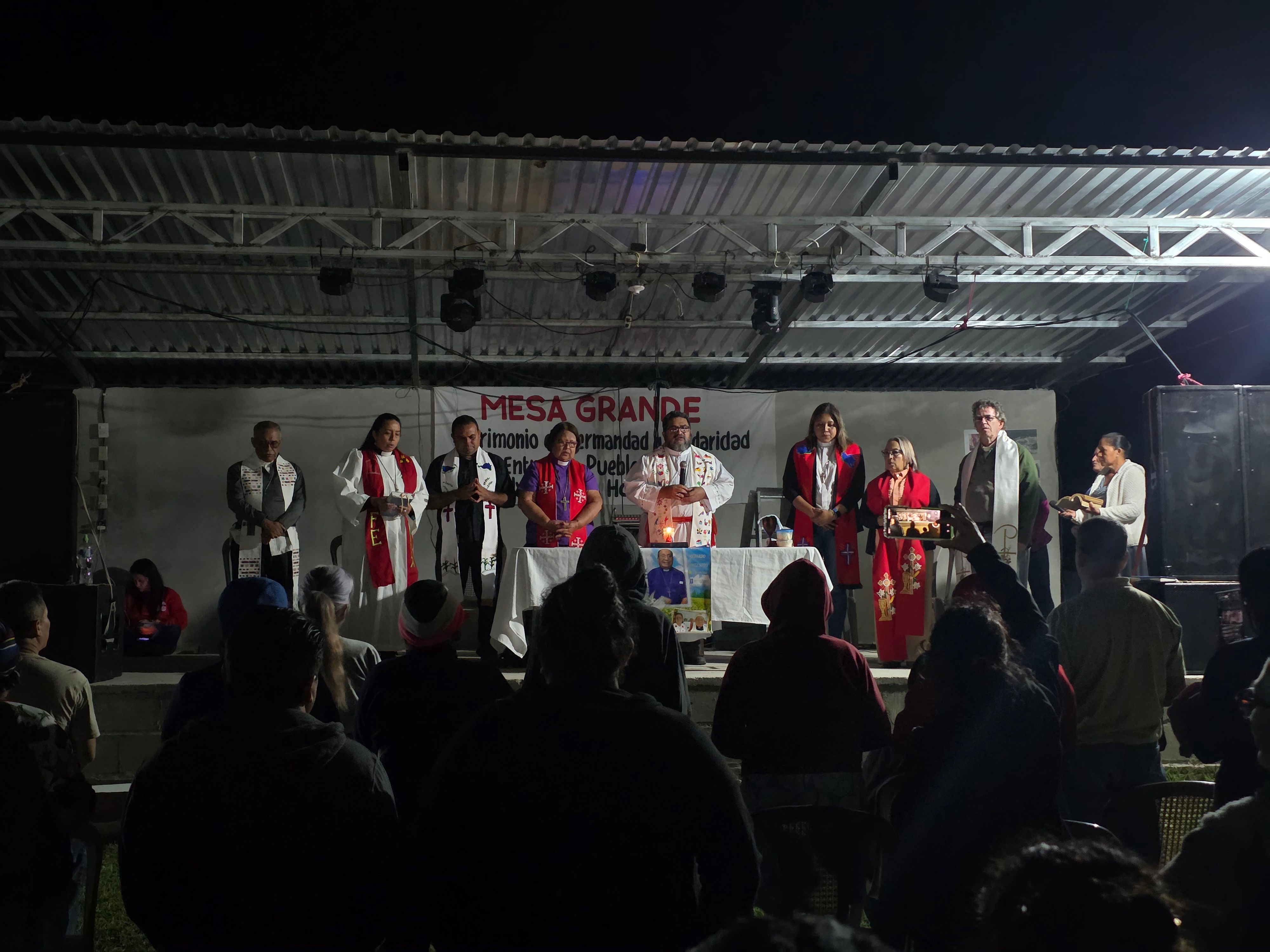
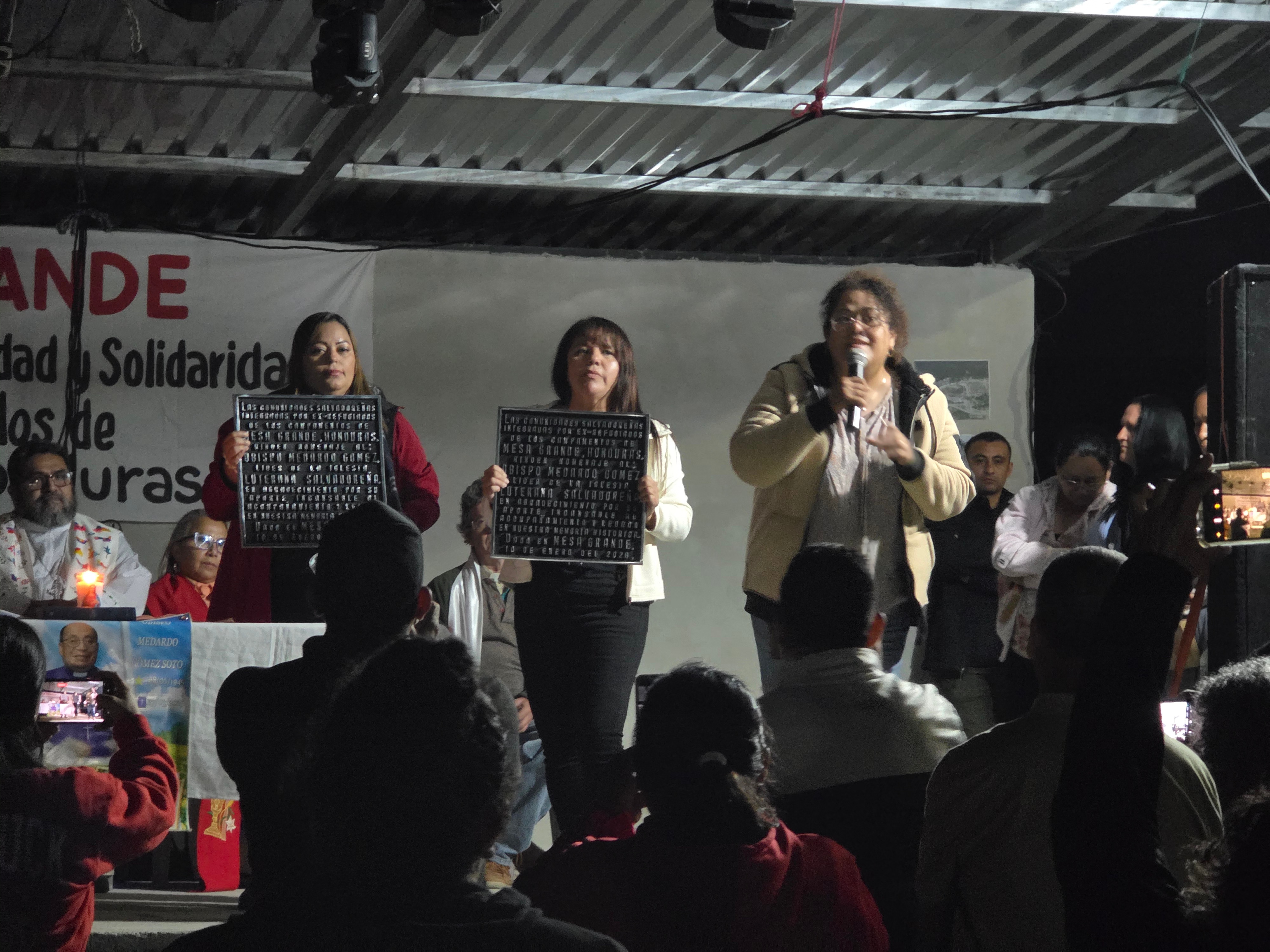
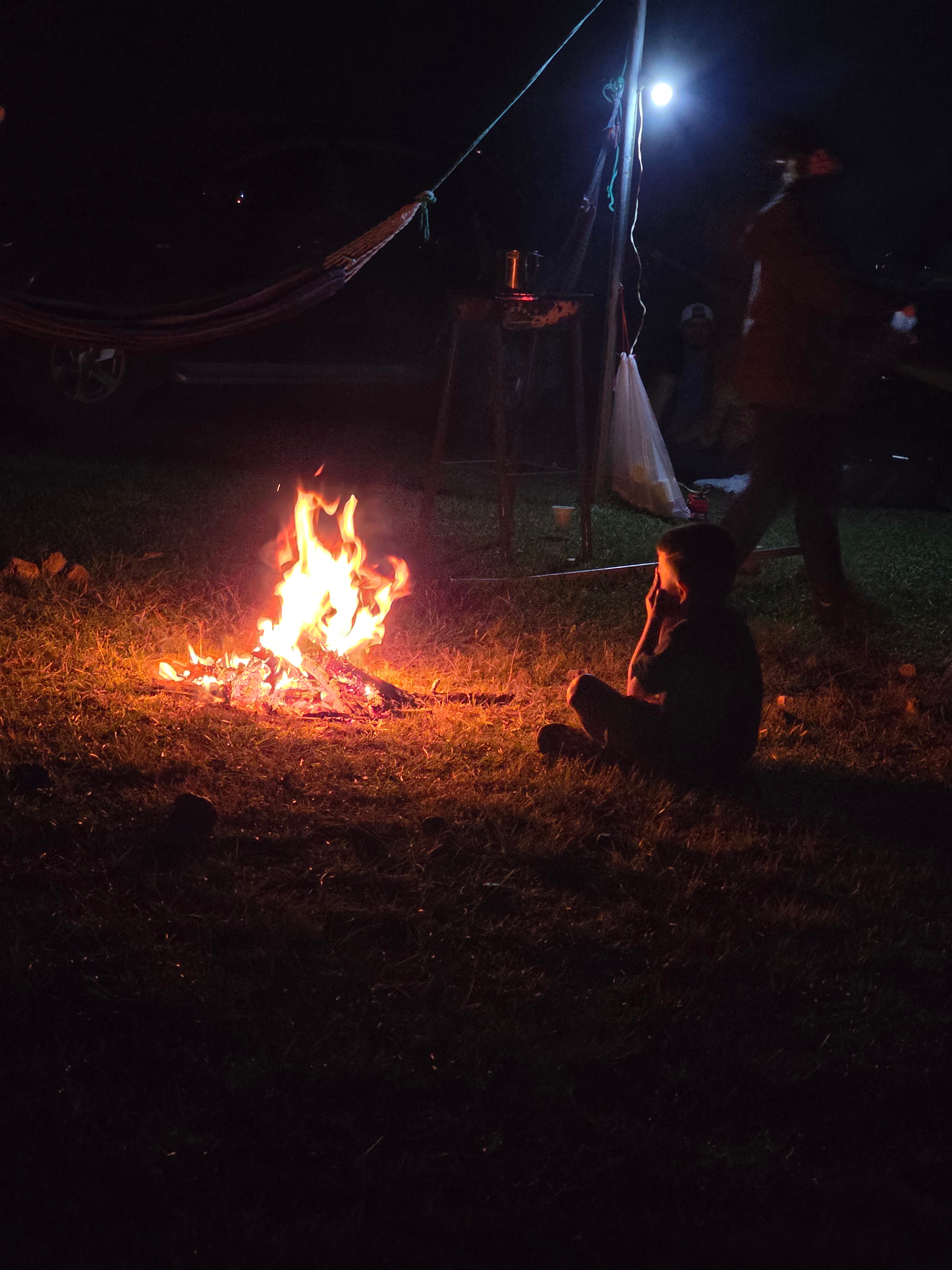

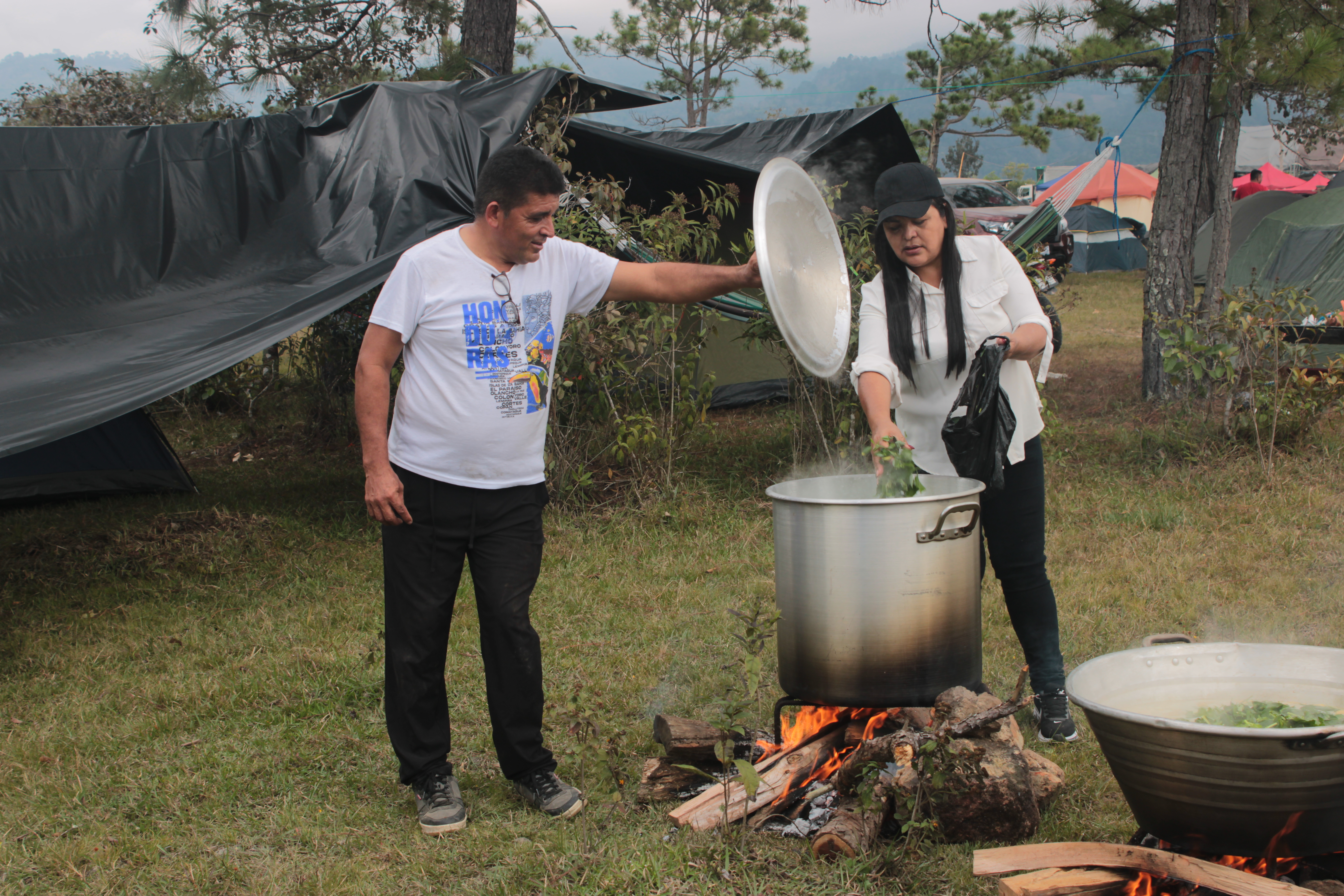
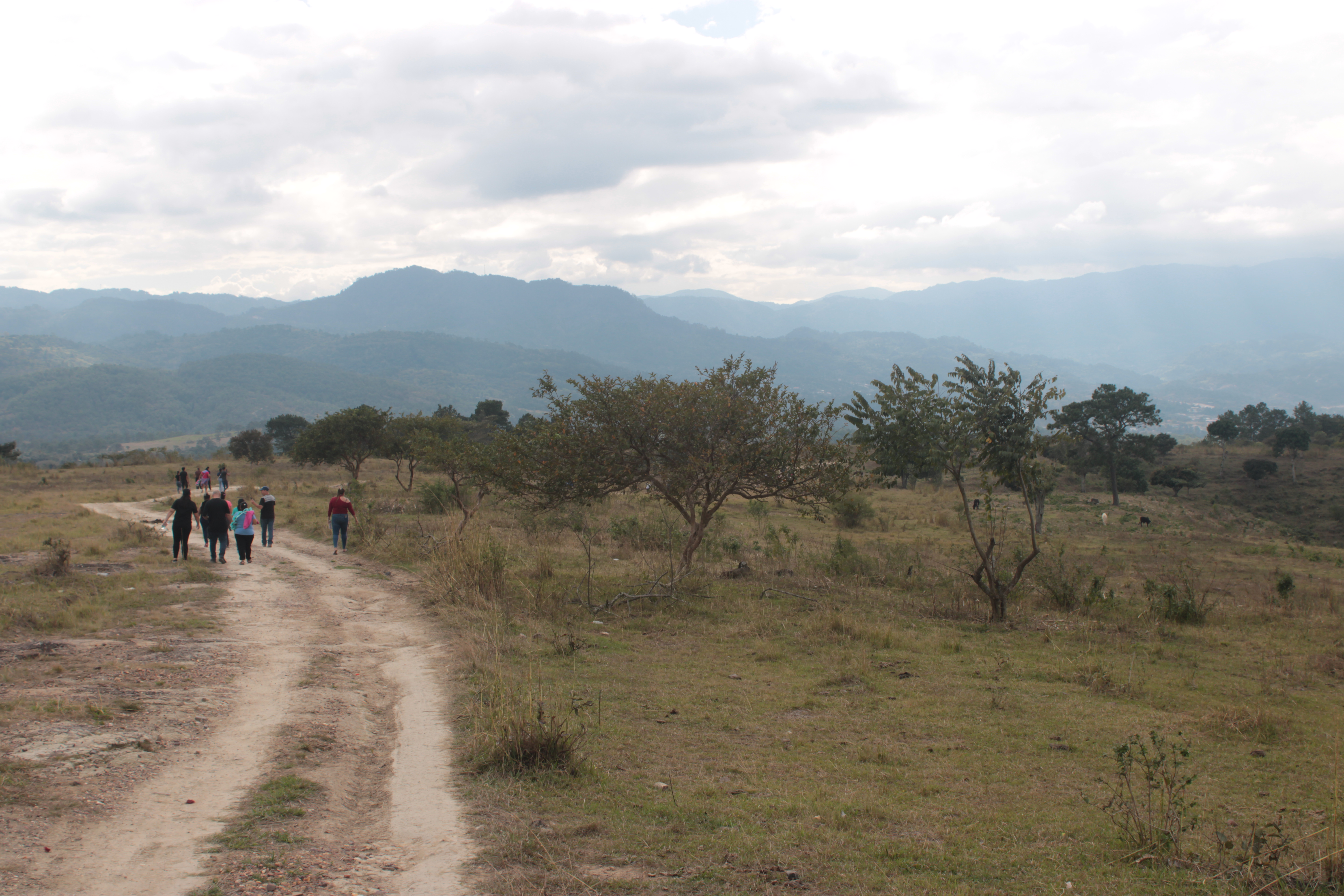
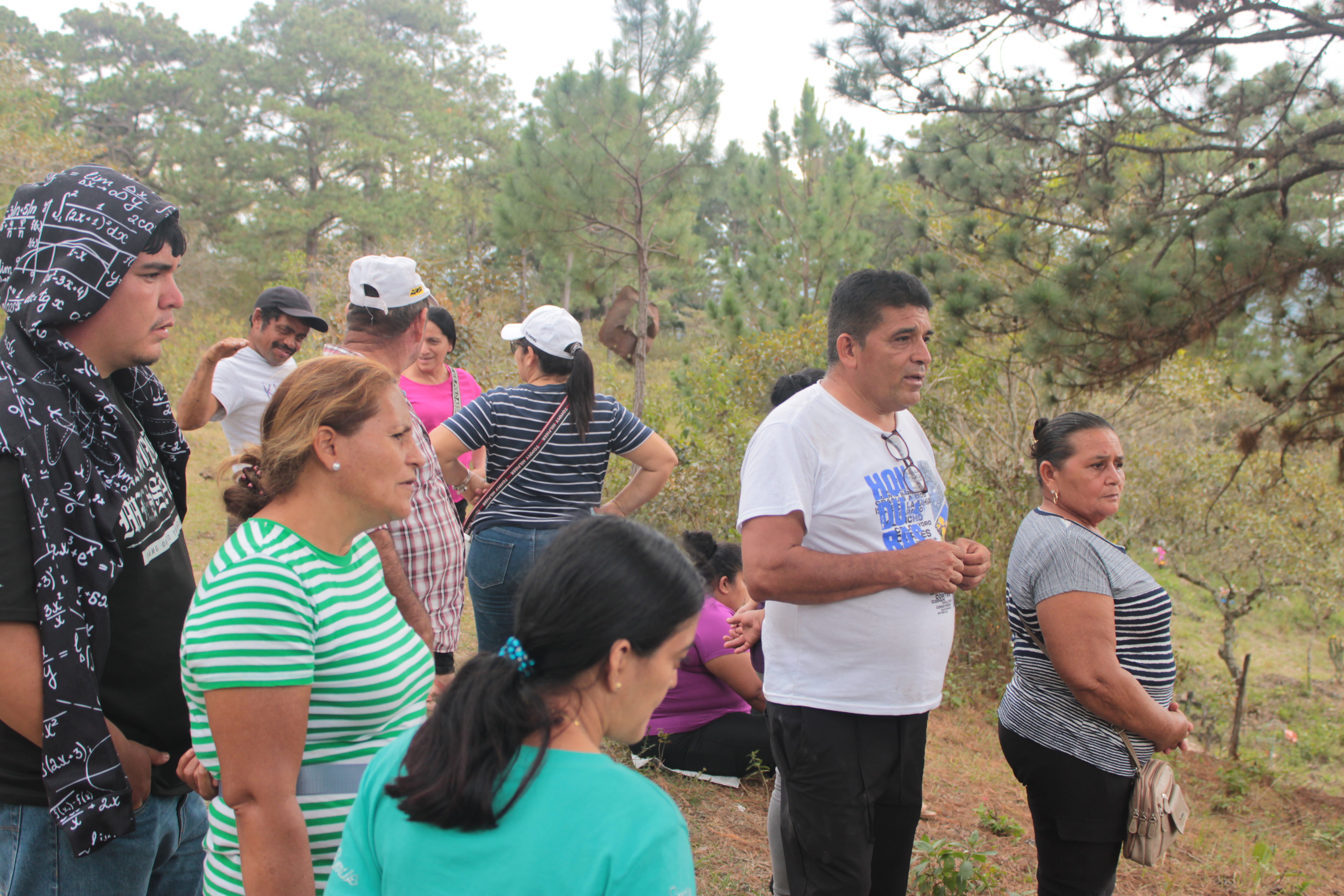
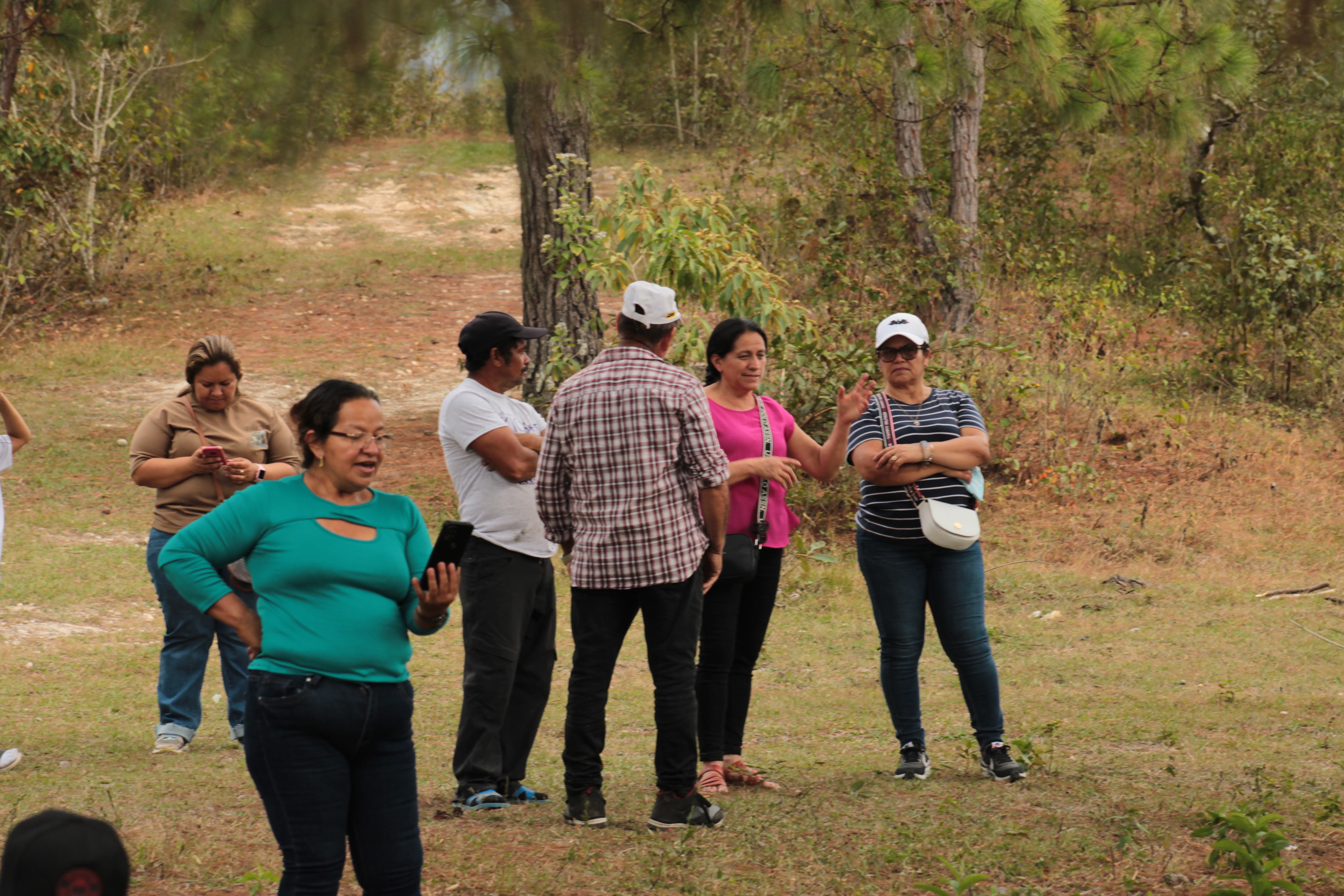
Different stages during the trip: The Mass service, the campfires and the walking through the camp and arrival to the cementery.

Diferentes etapas durante el viaje: La misa, las fogatas y la caminata por el campamento y llegada al cementerio.
Durante el conflicto armado salvadoreño en la década de 1980, miles de personas se vieron obligadas a abandonar sus hogares y buscar refugio en países vecinos. Uno de los lugares que acogió a numerosas familias fue Mesa Grande, en Honduras, donde los campamentos de refugiados se convirtieron en espacios de organización, solidaridad y esperanza en medio de la adversidad.
Cada segundo fin de semana de enero, comunidades de El Salvador —muchas de ellas formadas por personas que vivieron como refugiadas— regresan en peregrinación a este lugar. Entre quienes participan hay comunidades de Chalatenango, como Guarjila, San Antonio Los Ranchos y San José de la Montaña, así como representantes de otros departamentos. Al recorrer el terreno donde estuvieron los campamentos, las personas recuerdan cómo vivieron y cómo la solidaridad de iglesias, organizaciones y muchas personas de buen corazón hizo posible sobrevivir. Los testimonios compartidos ayudan a que las nuevas generaciones conozcan esta historia como una experiencia viva de sus comunidades.
Este año, nuevamente como Iglesias Hermanas, tuvimos el privilegio de acompañar a las comunidades en este encuentro tan significativo. Las familias acamparon, compartieron los alimentos preparados en comunidad y recorrieron los antiguos campamentos, guiados por personas que vivieron allí y que hoy transmiten sus recuerdos. El recorrido culmina en el cementerio, donde muchas familias honran a sus seres queridos con flores y momentos de oración.
Las actividades continúan con celebraciones religiosas, actos culturales y espacios de convivencia que fortalecen los lazos entre comunidades y entre los pueblos salvadoreño y hondureño. Todo ello convierte la peregrinación en un tiempo para recordar, agradecer y celebrar la vida, la memoria y la comunidad.
Para muchos participantes, volver a Mesa Grande es renovar el compromiso con la justicia, la paz y la dignidad humana. Es recordar que nadie camina solo y que la fe, la solidaridad y el acompañamiento han sido, y siguen siendo, una fuente de esperanza. Porque recordar juntos no solo honra el pasado; también fortalece el presente y siembra esperanza para las generaciones que vienen.


 sisterparishinc